
When it comes to applying builder gel—a thick, sculpting formula designed to add strength, length, and structure to natural nails—curing is a non-negotiable step. The wrong cure can mean soft spots, lifting, or premature chipping. One of the most common questions among both salon professionals and at-home users is whether the type of lamp—LED or UV—makes a difference in performance. The short answer is yes. The long answer involves understanding how each lamp works, which gels they’re compatible with, and what’s at stake when you use the wrong combination.
Choosing between an LED and a UV lamp isn’t just about speed or convenience; it’s about chemistry, safety, and long-term nail health. Misunderstanding this distinction can lead to product failure, wasted time, and even damage to the nail plate. Let’s break down the science, practical considerations, and real-world implications of using LED versus UV lamps with builder gel.
How Curing Lamps Work: The Science Behind Polymerization
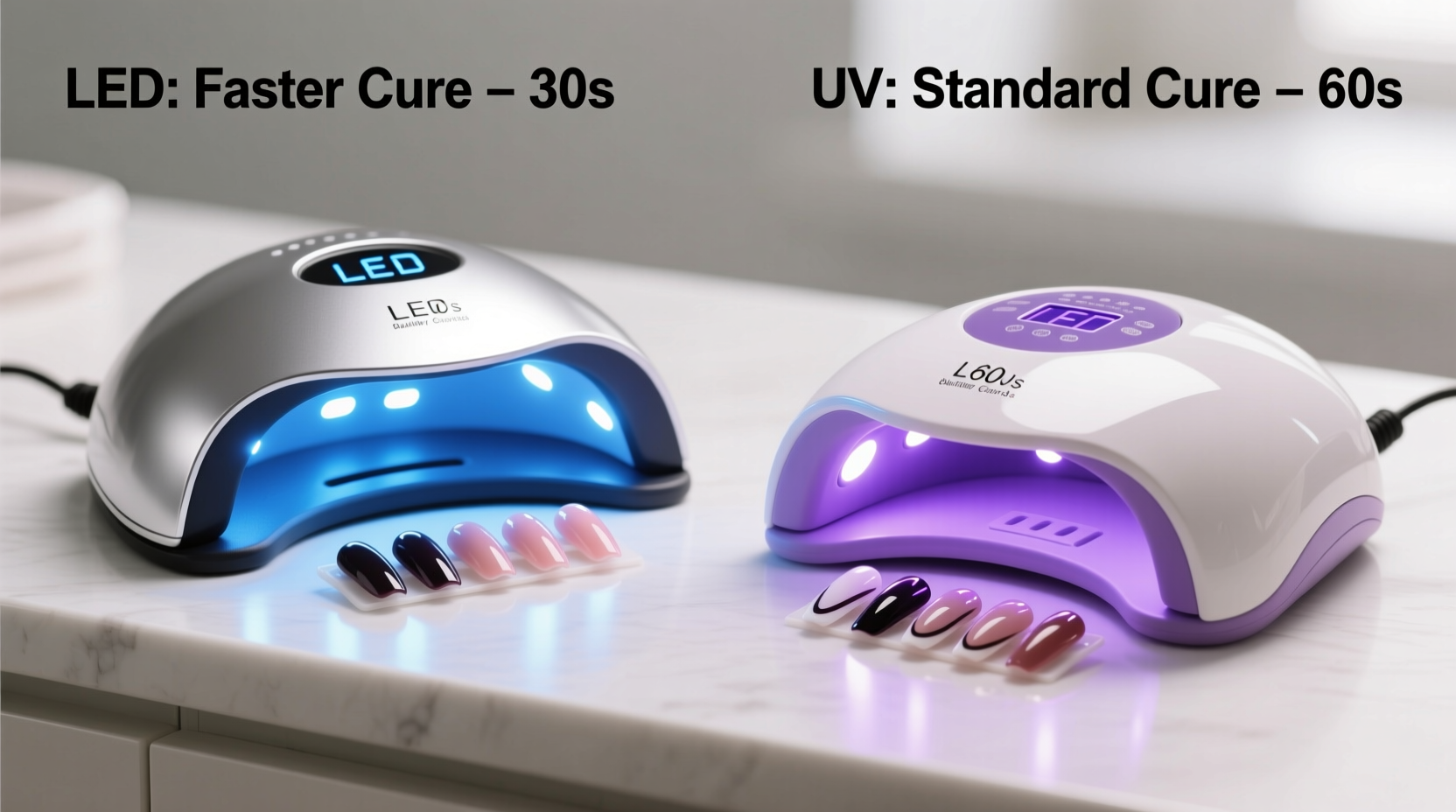
Builder gels are made of monomers and oligomers that transform into a solid polymer network when exposed to specific wavelengths of light. This process is called photopolymerization. The light source triggers a chemical reaction in the photoinitiators within the gel, causing it to harden almost instantly.
Not all light is created equal. UV lamps emit light primarily in the ultraviolet spectrum (typically around 340–380 nm), while LED lamps produce a narrower, more intense beam of light, usually peaking at 365–405 nm. Although there’s overlap in their output ranges, the intensity and duration of exposure differ significantly.
The critical point is this: not every builder gel is formulated to react efficiently under both types of lamps. Some gels require high-intensity LED light to fully cure due to their thicker consistency and higher concentration of photoinitiators tuned to shorter wavelengths. Others, especially older formulations, were designed specifically for traditional UV bulbs and may not set properly under LED unless reformulated.
Key Differences Between LED and UV Nail Lamps
Understanding the technical distinctions helps explain why lamp choice matters for builder gel applications. Here’s a side-by-side comparison:
| Feature | LED Lamp | UV Lamp |
|---|---|---|
| Light Type | LED (Light Emitting Diode) | Fluorescent UV Bulb |
| Wavelength Range | 365–405 nm (narrower, more focused) | 340–380 nm (broader spectrum) |
| Cure Time | 30–60 seconds | 2–3 minutes |
| Heat Output | Low (less heat sensation) | Moderate to high (can feel warm) |
| Lifespan | 50,000+ hours | 5,000–10,000 hours |
| Energy Efficiency | High | Lower |
| Gel Compatibility | Most modern gels (especially LED-cured) | Older UV-specific gels |
While LED lamps have become the industry standard due to faster curing times and longer lifespans, UV lamps still have a place—particularly in salons using legacy products or working with clients who prefer gentler heat profiles. However, when dealing with builder gels, which are inherently denser than regular color gels, efficiency and full penetration of light become crucial.
Does It Matter for Builder Gel? Yes—Here’s Why
Builder gels are engineered to be thick and moldable, allowing technicians to create arches, extensions, and added strength. But that thickness makes them harder to cure completely. Incomplete curing leads to sticky residue, soft layers beneath the surface, and structural weaknesses.
LED lamps typically offer higher irradiance—the amount of light energy delivered per unit area. This means they penetrate deeper into dense gels, ensuring a thorough cure from base to top. A study published in the *Journal of Cosmetic Dermatology* found that LED lamps achieved significantly higher hardness values in builder gels compared to traditional UV lamps after equivalent exposure times.
“With builder gels, depth of cure is everything. LED lamps provide superior penetration, reducing the risk of uncured gel trapped underneath—this is where infections and sensitivity often start.” — Dr. Lena Torres, Cosmetic Chemist & Nail Product Consultant
Additionally, many modern builder gels are explicitly labeled as “LED-curable” or “dual-cure,” meaning they work under both but perform best under LED. Using a UV-only lamp with these gels may result in under-curing, even if the surface feels dry. That tacky layer might seem normal, but if the underlying gel hasn’t fully hardened, it compromises durability and adhesion.
Conversely, some early-generation builder gels were developed before LED technology became widespread. These may contain photoinitiators optimized for longer UV wavelengths. Using them in an LED lamp could cause overheating or uneven curing because the reaction happens too quickly on the surface while the interior remains soft.
Real-World Example: A Salon Technician’s Mistake
Jamila, a licensed nail technician with six years of experience, switched her studio from UV to LED lamps to improve service speed and reduce bulb replacement costs. She continued using her existing stock of builder gel, assuming all “curing” lamps worked the same. Within weeks, clients began reporting lifting and softness after just three days.
After investigating, she discovered the gel was labeled “UV Only.” Despite following correct application procedures, the rapid surface cure from the LED lamp created a false sense of completion. The gel hadn’t fully polymerized internally, leading to poor wear. Once she replaced the product with an LED-compatible builder gel, the issues disappeared.
This case illustrates a common pitfall: upgrading equipment without verifying product compatibility. Even experienced professionals can overlook this detail, especially when transitioning between technologies.
Step-by-Step Guide: Choosing the Right Lamp for Your Builder Gel
To ensure optimal results, follow this sequence when selecting and using a curing lamp with builder gel:
- Check the gel label: Look for terms like “LED,” “UV/LED,” or “Dual-Cure.” Avoid using gels labeled “UV Only” in LED lamps.
- Verify lamp specifications: Check the wavelength output of your lamp. Most LED lamps peak at 365–405 nm, which suits modern gels.
- Test cure performance: Apply a thin layer of builder gel and cure according to instructions. After curing, press gently with a cuticle stick. If it indents, it’s under-cured.
- Adjust timing if needed: Some high-density builder gels require longer exposure—even in LED lamps. Follow manufacturer recommendations; don’t assume 30 seconds is enough.
- Monitor for heat spikes: If the client feels burning during cure, the gel may be reacting too quickly. Try pulsing the cure (short bursts) or switch to a lower-wattage setting if available.
- Replace bulbs/lamps proactively: UV bulbs degrade over time. Even if they still glow, their output diminishes. Replace every 6–12 months with heavy use.
Checklist: Ensuring Compatibility Between Lamp and Builder Gel
- ☑ Confirm the builder gel packaging indicates LED or dual compatibility
- ☑ Match lamp wattage and wavelength to gel requirements
- ☑ Perform a test cure before full application
- ☑ Clean the lamp’s quartz shield regularly (dust blocks light)
- ☑ Replace aging UV bulbs or malfunctioning LED arrays promptly
- ☑ Keep manufacturer guidelines accessible for reference
- ☑ Educate clients on proper aftercare to support cured gel integrity
Frequently Asked Questions
Can I use a UV gel in an LED lamp?
Sometimes—but not always. If the gel is labeled “UV/LED” or “dual-cure,” yes. If it’s labeled “UV Only,” it may not cure properly in an LED lamp due to mismatched photoinitiators. This can lead to incomplete curing, softness, and lifting.
Why does my builder gel still feel soft after curing?
This usually indicates under-curing. Causes include using the wrong lamp type, insufficient cure time, dirty lamp surface, expired gel, or applying layers too thick. Ensure you’re using compatible products and curing for the recommended duration.
Are LED lamps safer than UV lamps?
Yes, in several ways. LED lamps emit less UV radiation, run cooler, and require shorter exposure times—reducing cumulative UV exposure to hands. They also consume less energy and last longer. However, both types are considered safe when used correctly. Applying sunscreen or wearing fingerless gloves adds extra protection.
Expert Insight: The Future of Nail Curing Technology
The beauty industry is shifting toward hybrid systems that combine broad-spectrum UV diodes with high-output LEDs to maximize compatibility across product lines. According to industry analyst Mark Delgado, “The next generation of lamps will focus on intelligent sensing—detecting gel type and adjusting wavelength and intensity automatically.”
“The goal is universal compatibility without sacrificing performance. We’re moving away from ‘one lamp fits all’ toward ‘smart lamps that adapt.’ For now, matching your lamp to your product remains essential.” — Mark Delgado, Beauty Tech Analyst at TrendMaven Insights
In the meantime, staying informed about formulation changes and technological advances ensures better outcomes for both nail artists and clients.
Final Thoughts and Action Steps
The choice between LED and UV nail lamps absolutely matters when curing builder gel. It affects cure depth, longevity, safety, and overall finish quality. While LED lamps offer speed, efficiency, and broader compatibility with modern gels, they aren’t universally interchangeable with older UV-dependent products.
Never assume compatibility based on appearance or brand reputation. Read labels carefully, test new combinations, and stay updated on product reformulations. Whether you're a professional nail technician or a DIY enthusiast, taking the time to match your lamp and gel correctly pays off in stronger, longer-lasting manicures and healthier natural nails.




 浙公网安备
33010002000092号
浙公网安备
33010002000092号 浙B2-20120091-4
Comments
No comments yet. Why don't you start the discussion?