
In a world where smartphones are both tools and personal statements, the choice of a phone case has evolved from mere protection to identity expression. The debate between bold designs like leopard print and minimalist options like clear cases isn’t just about fashion—it reflects deeper priorities around functionality, durability, and self-presentation. While some see leopard print as flashy and attention-seeking, others view it as confident and stylish. Clear cases, meanwhile, are often praised for their sleekness and ability to showcase the phone itself. But beneath the surface, does the design actually influence how well your phone is protected—or is it all about vanity?
The Aesthetic Divide: Personality vs. Neutrality
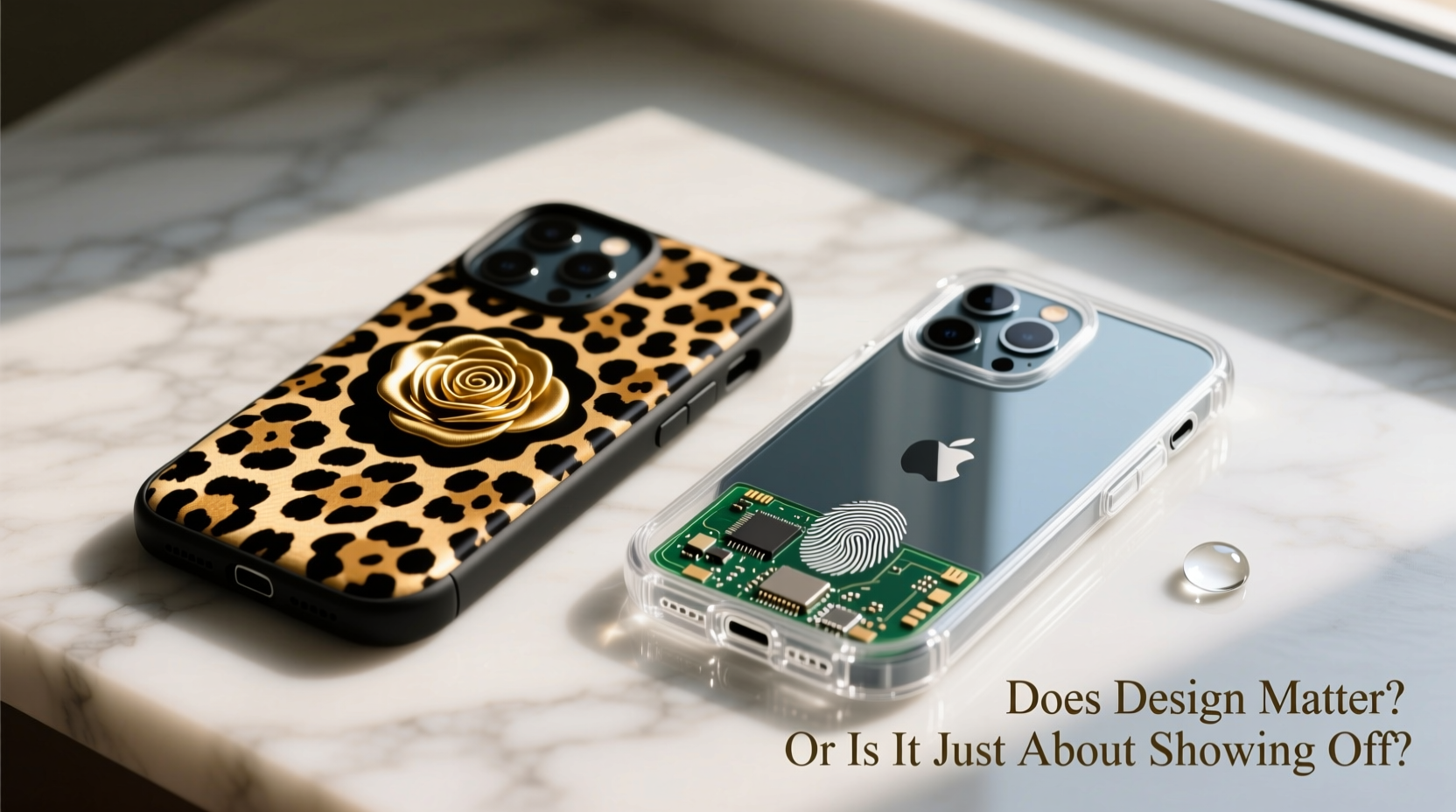
Design choices in phone cases often mirror broader lifestyle preferences. Leopard print—bold, wild, and unapologetically loud—sends a message. It’s associated with confidence, individuality, and a flair for drama. People who choose such patterns often want their accessories to reflect their personality, not blend into the background.
Clear cases take the opposite approach. They emphasize minimalism, letting the phone’s original color and finish shine through. This choice appeals to those who value subtlety, modern design, or brand loyalty. Apple enthusiasts, for example, may prefer a clear case to highlight the craftsmanship of their device.
Protection: Does Pattern Influence Performance?
At first glance, the visual design of a case might seem unrelated to protection. However, materials and construction often differ between decorative and transparent models. Leopard print cases are typically made from silicone or TPU (thermoplastic polyurethane), which offer flexibility and shock absorption. These materials tend to be slightly thicker, providing better drop resistance.
Clear cases, especially budget ones, are frequently made from polycarbonate or thin TPU. While they offer basic scratch protection, many lack reinforced corners or raised edges around the screen and camera. Over time, cheaper clear cases can yellow due to UV exposure or contact with oils from skin and surfaces.
“Material quality matters more than pattern when it comes to impact resistance. A well-made clear case can outperform a flimsy printed one.” — Jordan Lee, Product Durability Analyst at MobileGear Labs
Comparison: Leopard Print vs. Clear Case Features
| Feature | Leopard Print Case | Clear Case |
|---|---|---|
| Material | Silicone or textured TPU | Polycarbonate or clear TPU |
| Drop Protection | Generally better due to cushioned edges | Varies; often weaker at corners |
| Scratch Resistance | High on outer layer | Low to moderate; prone to micro-scratches |
| Durability Over Time | Color holds well; less visible wear | May yellow or cloud after months |
| Style Expression | High – makes a statement | Low – emphasizes phone design |
Real-World Example: Two Users, Two Choices
Sophia, a graphic designer in her late twenties, opts for a leopard print case. She works in a creative agency where self-expression is encouraged. Her phone spends most days in her bag alongside keys, pens, and notebooks. After six months, the case shows minor scuffs but no cracks, and she credits its thickness for surviving two accidental drops from desk height.
Meanwhile, Daniel, a corporate lawyer, uses a premium clear case. He values a clean, professional appearance during client meetings. His phone stays mostly in his jacket pocket, reducing exposure to impacts. However, after five months, he notices faint yellowing along the edges and small scratches on the back. He replaces it every six months to maintain a pristine look.
Their experiences highlight a key insight: usage context shapes what “good design” means. For active users, durability trumps transparency. For image-conscious professionals, appearance may outweigh long-term material decay.
Functionality Beyond Fashion: What You’re Not Being Told
While aesthetics dominate conversations about phone cases, functional trade-offs are rarely discussed. Here’s what really happens behind the scenes:
- Dust and grime accumulation: Clear cases reveal every speck of lint and oil transfer. Even with regular cleaning, fingerprints and smudges are highly visible.
- Heat dissipation: Some thick leopard-style cases can trap heat, especially during gaming or GPS navigation. This may slightly affect battery performance over time.
- Wallet integration: Many leopard print cases come with built-in card slots or kickstands, adding utility. Clear cases rarely include these features unless third-party modified.
- Skin sensitivity: Low-quality TPU in clear cases may contain plasticizers that cause irritation for sensitive skin. Textured prints often use safer, hypoallergenic coatings.
Checklist: Choosing the Right Case for Your Lifestyle
- Assess your daily routine: Do you carry your phone loosely in a bag or keep it in a protected pocket?
- Evaluate drop risk: Are you prone to setting your phone near edges or using it while walking?
- Consider maintenance: Are you willing to clean your case weekly to prevent discoloration?
- Define your style priority: Is expressing individuality important, or do you prefer a neutral, professional look?
- Check compatibility: Ensure the case doesn’t block ports, interfere with wireless charging, or disrupt signal strength.
Expert Insight: Design as a Functional Signal
Dr. Lena Patel, a behavioral designer specializing in consumer tech, explains that case choice isn’t superficial—it serves as a social cue. “People subconsciously judge others based on small details like phone cases,” she says. “A leopard print signals approachability and creativity, while a clear case suggests precision and order. Neither is inherently better, but each communicates different traits.”
“Your case is a silent ambassador. It tells people whether you prioritize safety, style, or status—and that information shapes interactions before you even speak.” — Dr. Lena Patel, Behavioral Design Researcher
Frequently Asked Questions
Does a leopard print case offer better protection than a clear one?
Not necessarily because of the print, but because many leopard cases use thicker, shock-absorbent materials. High-end clear cases with military-grade certification (like MIL-STD-810G) can offer equal or superior protection.
Why do clear cases turn yellow over time?
Exposure to UV light, oxygen, and skin oils causes oxidation in certain plastics, especially lower-quality TPU. UV-resistant coatings and frequent cleaning can slow this process.
Is choosing a flashy case just about showing off the phone?
Not always. While some use bold cases to draw attention, others do so for practical reasons—easier spotting in a dark bag, identifying their device quickly in group settings, or simply enjoying vibrant aesthetics as part of their mood regulation.
Conclusion: Design Matters—But So Does Purpose
The choice between a leopard print and a clear phone case extends far beyond vanity. It’s a decision shaped by lifestyle, environment, and personal values. A leopard print isn’t merely “showing off”—it can indicate someone who prioritizes grip, drop protection, and expressive identity. A clear case isn’t just modest; it can reflect a preference for sleek design, brand pride, or professional discretion.
Ultimately, the best case is one that aligns with how you live, not just how you look. Consider your habits, your risks, and your needs before defaulting to trend or tradition. Whether bold or bare, your phone case should serve you—not just impress others.




 浙公网安备
33010002000092号
浙公网安备
33010002000092号 浙B2-20120091-4
Comments
No comments yet. Why don't you start the discussion?