
Lidocaine patches are a widely used treatment for localized nerve pain, particularly in conditions like postherpetic neuralgia—a complication of shingles that causes persistent burning or shooting pain. One of the most frequently asked questions about these patches is why they must be worn for exactly 12 hours on and then removed for 12 hours off. The answer lies in pharmacology, skin health, and clinical research. This article explores the rationale behind this specific dosing regimen, explains how lidocaine works, and offers practical guidance for safe and effective use.
How Lidocaine Patches Work
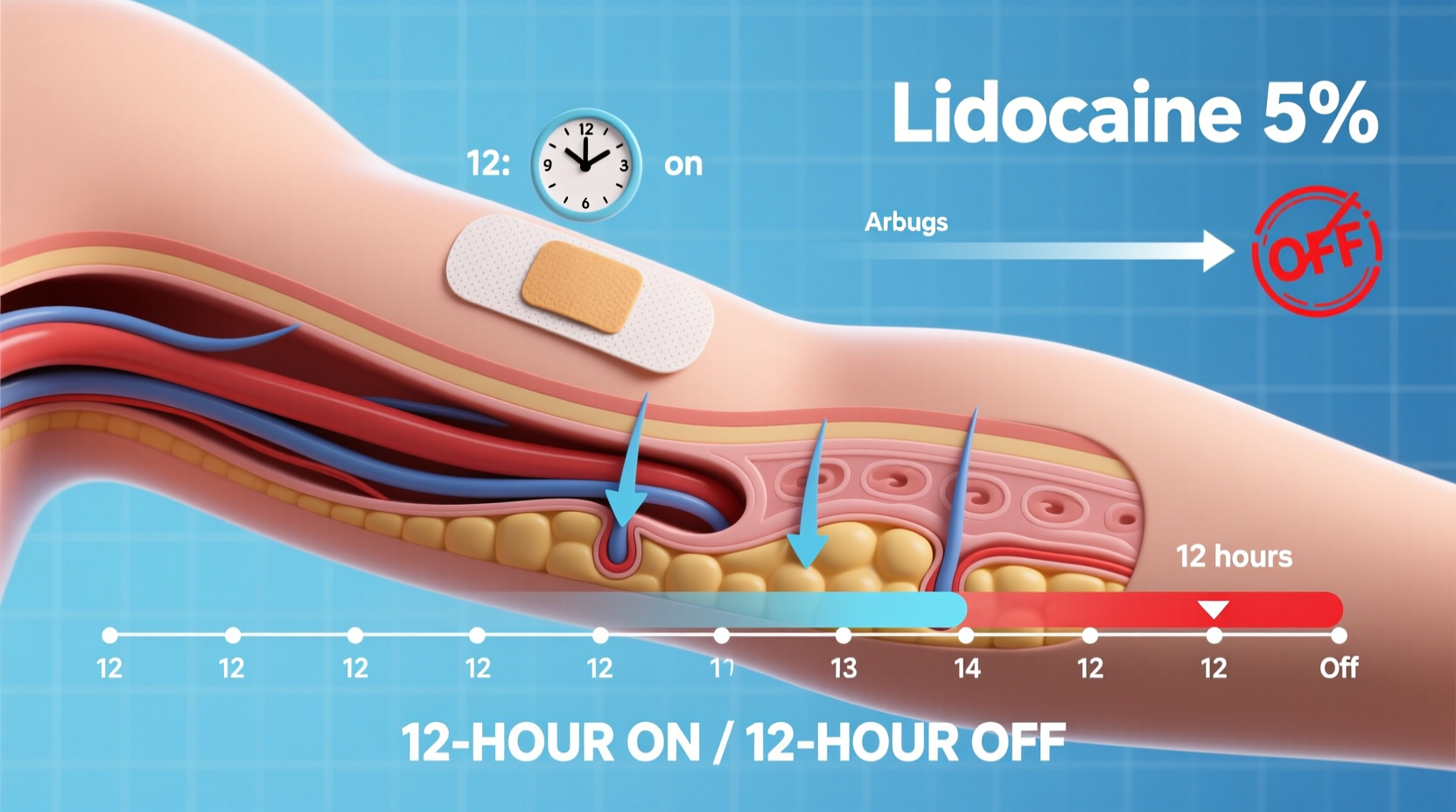
Lidocaine is a local anesthetic that blocks sodium channels in nerve cells, preventing the transmission of pain signals. Unlike oral pain medications, which circulate throughout the body, lidocaine patches deliver medication directly to the site of pain through transdermal absorption—meaning it passes through the skin into underlying tissues.
The patch formulation contains 5% lidocaine, allowing for sustained release over time. Because the drug acts locally, systemic absorption is minimal, reducing the risk of side effects such as drowsiness or gastrointestinal issues commonly seen with oral analgesics.
However, even though systemic exposure is low, there are limits to how much lidocaine the body can safely process—and how long the skin can tolerate continuous contact with the adhesive and active ingredient.
The Science Behind the 12-Hour On/Off Schedule
The FDA-approved dosing instruction for lidocaine 5% patches (such as Lidoderm) specifies application for up to 12 hours per day, followed by a 12-hour break. This isn’t arbitrary; it’s based on clinical trials, pharmacokinetics, and safety monitoring.
In pivotal studies leading to approval, researchers tested various durations of patch use. They found that:
- Pain relief was effectively maintained with 12 hours of daily wear.
- Blood levels of lidocaine remained well below toxic thresholds when used intermittently.
- Skin irritation significantly increased with longer or continuous use.
Because lidocaine is metabolized primarily by the liver and cleared by the kidneys, patients with impaired organ function are at higher risk of accumulation. The 12-hour break ensures that any absorbed lidocaine has time to be processed and eliminated before the next application cycle begins.
“Intermittent dosing maximizes therapeutic benefit while minimizing the potential for systemic toxicity and skin reactions.” — Dr. Alan Schmukler, Pain Management Specialist, Johns Hopkins Medicine
Benefits of the 12-Hour Break
The off period serves multiple critical purposes beyond just drug clearance:
Skin Recovery
Continuous adhesion—even from medical-grade patches—can compromise skin integrity. The 12-hour rest allows the epidermis to breathe, rehydrate, and recover from occlusion (blockage of moisture evaporation). Without this break, users may experience redness, itching, blistering, or even chemical burns in rare cases.
Prevention of Tachyphylaxis
Tachyphylaxis refers to the rapid decrease in response to a drug after repeated use. By cycling the patch on and off, nerve receptors have time to reset, helping maintain sensitivity to lidocaine’s numbing effect over time.
Risk Reduction in Vulnerable Populations
Older adults and individuals with liver disease, heart conditions, or reduced kidney function are more susceptible to lidocaine toxicity. Symptoms of overdose include dizziness, confusion, tremors, seizures, and cardiac arrhythmias. The 12-hour window keeps plasma concentrations within a safe range, especially in high-risk groups.
Step-by-Step Application Guide
To get the most out of your lidocaine patch while staying within safety guidelines, follow this routine:
- Wash and dry the area where you plan to apply the patch. Use mild soap and water, then pat thoroughly dry.
- Cut the patch only if directed by your doctor. Most patches are designed for full use; cutting may alter release rates.
- Apply the patch smoothly without stretching it. Press down gently to ensure good contact.
- Mark start time on a notepad or set an alarm to remind you when 12 hours are up.
- Remove the patch after 12 hours and fold it in half so it sticks to itself. Dispose of it safely—out of reach of children and pets.
- Inspect the skin for redness or irritation. If present, skip a day or switch application sites.
- Wait 12 hours before applying a new patch. Do not exceed three patches per day unless specifically instructed by your physician.
Common Misconceptions and Mistakes
Despite clear labeling, some patients attempt to extend wear time for better pain control. This is both ineffective and dangerous. Below is a comparison of proper versus improper use:
| Practice | Recommended? | Rationale |
|---|---|---|
| Wear patch for 12 hours, remove for 12 | ✅ Yes | Optimal balance of efficacy and safety |
| Wear patch continuously (24/7) | ❌ No | Increases risk of skin damage and systemic absorption |
| Use more than three patches per day | ❌ No | May lead to toxic lidocaine levels |
| Apply to broken or inflamed skin | ❌ No | Accelerates absorption and raises overdose risk |
| Reuse a patch | ❌ No | Drug delivery is unreliable after first use |
Real-World Example: Managing Postherpetic Neuralgia
Maria, a 68-year-old retired teacher, developed severe nerve pain along her left ribcage following a bout of shingles. Her doctor prescribed lidocaine patches for symptom management. Initially, she left the patch on overnight and into the next day, thinking longer wear meant better relief. Within days, she experienced lightheadedness and noticed persistent redness under the patch site.
After consulting her pharmacist, Maria learned she had been misusing the patch. She switched to the correct 12-hour on/off schedule—applying it each morning and removing it at night. Her symptoms improved, dizziness resolved, and skin irritation healed within a week. Over time, she integrated the patch into a broader pain plan including gentle movement and stress reduction techniques.
Maria’s case illustrates how adherence to dosing instructions directly impacts both safety and effectiveness.
Frequently Asked Questions
Can I sleep with the lidocaine patch on?
You can wear the patch during sleep, but only as part of the 12-hour wear period. Never exceed 12 consecutive hours. Some people prefer daytime use so they can monitor for skin reactions or accidental dislodgement.
What happens if I leave the patch on too long?
Extended wear increases the risk of skin irritation and higher-than-intended systemic absorption. In rare cases, especially with multiple patches or compromised liver function, this could lead to neurological or cardiac side effects. If you accidentally leave it on longer, remove it immediately and monitor for dizziness, numbness beyond the area, or irregular heartbeat.
Can I shower with the patch on?
Yes, brief showers are generally safe. Avoid soaking in baths, swimming, or using hot tubs, as excessive water and heat can increase lidocaine release and skin permeability. Pat the area dry afterward and check that the patch remains adhered.
Maximizing Effectiveness: A Practical Checklist
To ensure you're using the lidocaine patch correctly and safely, follow this checklist:
- ✔️ Apply only to clean, dry, unbroken skin
- ✔️ Limit wear to no more than 12 hours at a time
- ✔️ Allow 12 hours without a patch between applications
- ✔️ Use no more than three patches per day unless directed otherwise
- ✔️ Rotate application sites to prevent skin irritation
- ✔️ Store patches at room temperature away from moisture
- ✔️ Keep used patches out of reach of children and pets (they contain enough lidocaine to be harmful if chewed)
Conclusion: Safety First, Relief Second
The 12-hour on, 12-hour off rule for lidocaine patches isn’t merely a suggestion—it’s a carefully calibrated protocol rooted in clinical evidence and patient safety. While the goal is pain relief, the design prioritizes minimizing risks, especially for long-term users and older adults. By respecting the dosing schedule, rotating sites, and watching for adverse reactions, you can make the most of this targeted therapy without compromising your health.




 浙公网安备
33010002000092号
浙公网安备
33010002000092号 浙B2-20120091-4
Comments
No comments yet. Why don't you start the discussion?