
Triglycerides are a type of fat found in your blood, crucial for energy storage and metabolism. While high triglyceride levels are widely discussed due to their link with heart disease, low triglycerides often go unnoticed—yet they can signal underlying health conditions or nutritional imbalances. Understanding what low triglyceride levels mean, their causes, and potential consequences is essential for maintaining metabolic health.
What Are Triglycerides and Why Do They Matter?
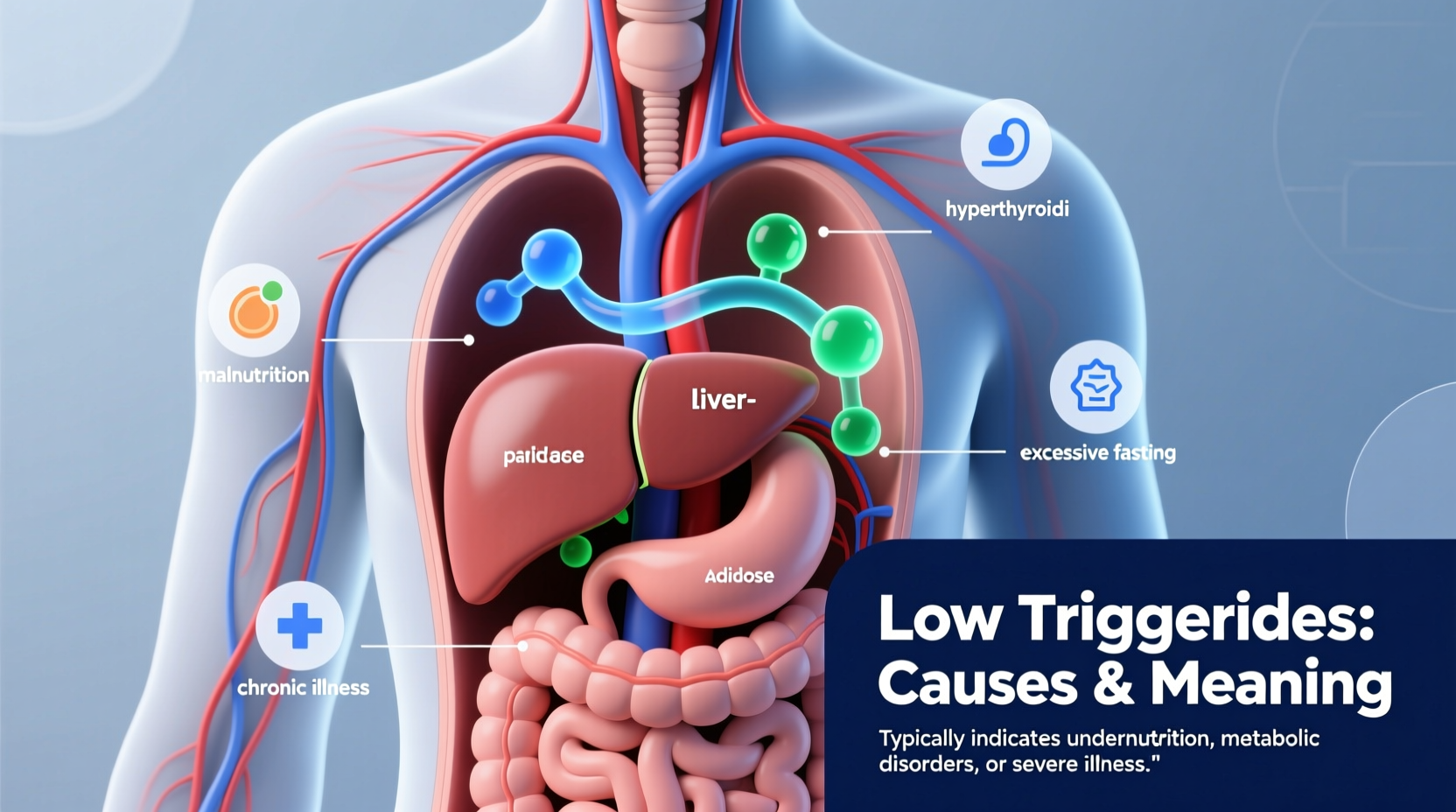
Triglycerides are lipids (fats) that store unused calories and provide energy between meals. When you consume more calories than your body needs, the excess is converted into triglycerides and stored in fat cells. Hormones release them when energy is required. A simple blood test measures triglyceride levels, typically as part of a lipid panel.
Normal fasting triglyceride levels are generally considered:
- Normal: Less than 150 mg/dL
- Borderline high: 150–199 mg/dL
- High: 200–499 mg/dL
- Very high: 500 mg/dL and above
But what about levels below 50 mg/dL? While not always problematic, persistently low triglycerides may reflect malnutrition, malabsorption, or overactive metabolism.
Common Causes of Low Triglycerides
Low triglyceride levels—typically defined as under 50 mg/dL—are less common than elevated levels but can stem from several factors. These include both lifestyle choices and medical conditions.
Nutritional Deficiencies
Diet plays a central role in lipid production. Extremely low-fat diets, prolonged fasting, or calorie restriction can reduce triglyceride synthesis. People following strict vegan or raw-food regimens without adequate fat intake may see lower-than-normal levels.
Malabsorption Disorders
Conditions like celiac disease, Crohn’s disease, or chronic pancreatitis impair fat absorption in the intestines. Even with sufficient dietary fat, the body cannot process and store triglycerides effectively.
Hyperthyroidism
An overactive thyroid accelerates metabolism, increasing the rate at which fats are broken down and used for energy. This rapid turnover can lead to reduced circulating triglycerides.
Genetic Conditions
Rare inherited disorders such as abetalipoproteinemia or hypobetalipoproteinemia prevent the body from producing lipoproteins needed to transport fats, including triglycerides. These conditions often present early in life with symptoms like poor growth and neurological issues.
Chronic Illnesses
Advanced liver disease, cancer cachexia, or uncontrolled diabetes can disrupt lipid metabolism. In some cases, inflammation suppresses fat synthesis pathways, lowering triglyceride output.
“While low triglycerides aren’t inherently dangerous, they’re a clue. We look at them like any lab outlier—what’s driving the change?” — Dr. Lena Patel, Endocrinologist at Boston Metabolic Clinic
When Low Triglycerides Signal a Problem
Occasionally low triglycerides are benign, especially in individuals who are very physically active or eat a balanced plant-based diet rich in fiber and low in processed fats. However, when accompanied by symptoms or other abnormal labs, they warrant investigation.
Potential red flags include:
- Fatigue, weakness, or unintended weight loss
- Dry skin, hair loss, or brittle nails (signs of fat-soluble vitamin deficiency)
- Neurological symptoms like poor coordination or vision changes
- Steatorrhea (fatty, foul-smelling stools)
In such cases, low triglycerides may point to:
- Micronutrient deficiencies: Vitamins A, D, E, and K require dietary fat for absorption. Chronically low fat intake or malabsorption can lead to deficiencies.
- Hormonal imbalances: Hyperthyroidism increases fat utilization; adrenal insufficiency may alter lipid profiles.
- Liver dysfunction: The liver synthesizes triglycerides. Severe liver damage reduces production capacity.
Real-Life Example: Identifying Malabsorption Early
Sarah, a 34-year-old teacher, had routine bloodwork showing triglycerides of 38 mg/dL. She was otherwise healthy but reported fatigue, joint pain, and frequent bloating after meals. Her doctor noted low vitamin D and E levels alongside the lipid anomaly. Further testing revealed positive antibodies for celiac disease. After adopting a gluten-free diet and supplementing fat-soluble vitamins, her triglycerides rose to 92 mg/dL within six months, and her energy improved significantly.
This case illustrates how low triglycerides can act as an early biomarker for conditions that might otherwise be overlooked.
Do’s and Don’ts When Managing Low Triglycerides
| Do’s | Don’ts |
|---|---|
| Eat healthy fats like avocados, nuts, seeds, olive oil, and fatty fish | Avoid extremely low-fat or fad diets long-term |
| Monitor symptoms like fatigue, dry skin, or digestive issues | Ignore accompanying nutrient deficiencies |
| Work with a healthcare provider to investigate root causes | Self-diagnose or start supplements without guidance |
| Consider food sensitivity testing if digestive symptoms persist | Assume low triglycerides are always beneficial |
Step-by-Step Guide to Addressing Low Triglycerides
If your levels fall below the normal range, follow this structured approach:
- Confirm the result: Repeat the lipid panel after ensuring proper fasting (9–12 hours) and no recent illness.
- Review your diet: Track fat intake using a nutrition app. Aim for 20–35% of daily calories from fat.
- Assess symptoms: Note any signs of malnutrition, hormone imbalance, or digestive distress.
- Request additional tests: Include TSH, free T4, liver function, vitamin D, vitamin E, and stool analysis if needed.
- Consult a specialist: A gastroenterologist, endocrinologist, or registered dietitian can help pinpoint causes.
- Adjust intake gradually: Increase healthy fats slowly to avoid digestive discomfort.
- Recheck in 8–12 weeks: Monitor progress and adjust interventions accordingly.
Frequently Asked Questions
Can low triglycerides cause health problems?
Yes, in some cases. Very low levels may indicate malnutrition, malabsorption, or genetic disorders. They can also lead to deficiencies in fat-soluble vitamins, affecting bone health, immunity, and nerve function.
Is it possible to have too low triglycerides?
While there's no official \"too low\" threshold, values under 40 mg/dL, especially with symptoms, should be evaluated. Unlike high triglycerides, low levels aren't directly linked to cardiovascular risk—but they may reflect systemic issues.
Can exercise lower triglycerides too much?
Intense endurance training can reduce triglycerides, but rarely to problematic levels in well-nourished athletes. However, combining extreme exercise with low-calorie intake (e.g., in marathon training) may contribute to suboptimal lipid levels.
Action Plan Checklist
If you're concerned about low triglycerides, use this checklist to stay proactive:
- ✅ Confirm low levels with a repeat blood test
- ✅ Evaluate your daily fat intake and overall diet quality
- ✅ Check for symptoms like fatigue, dry skin, or poor wound healing
- ✅ Request testing for thyroid, liver, and vitamin status
- ✅ Consult a healthcare provider for personalized advice
- ✅ Gradually increase healthy fats if intake is insufficient
- ✅ Reassess lipid levels after 2–3 months
Conclusion: Listen to Your Body’s Signals
Low triglycerides aren’t automatically alarming, but they shouldn’t be dismissed either. Like all lab values, they tell part of your metabolic story. Whether driven by diet, disease, or genetics, persistently low levels deserve attention—not fear, but informed curiosity. By pairing lab results with clinical symptoms and professional guidance, you can uncover root causes and take meaningful steps toward better health.




 浙公网安备
33010002000092号
浙公网安备
33010002000092号 浙B2-20120091-4
Comments
No comments yet. Why don't you start the discussion?