
In recent years, pet fashion has exploded. From rhinestone collars to designer dresses, dogs are dressing sharper than ever. Instagram feeds overflow with pups in tulle skirts, velvet capes, and even miniature suits. But as style takes center stage, a critical question arises: at what point does aesthetic appeal compromise a dog’s comfort, safety, and well-being? The debate between luxury dog dresses and practical dog coats isn’t just about trends—it’s about responsibility.
Dogs don’t wear clothes for vanity. Unlike humans, they rely on instinct and physical adaptation to regulate temperature and navigate their environment. When we introduce garments, we must consider purpose. Is the outfit protecting them from cold, rain, or injury? Or is it purely for social media clout? Understanding the distinction between fashion-forward accessories and functional gear is essential for every conscientious pet owner.
The Rise of Pet Fashion: Style Over Substance?
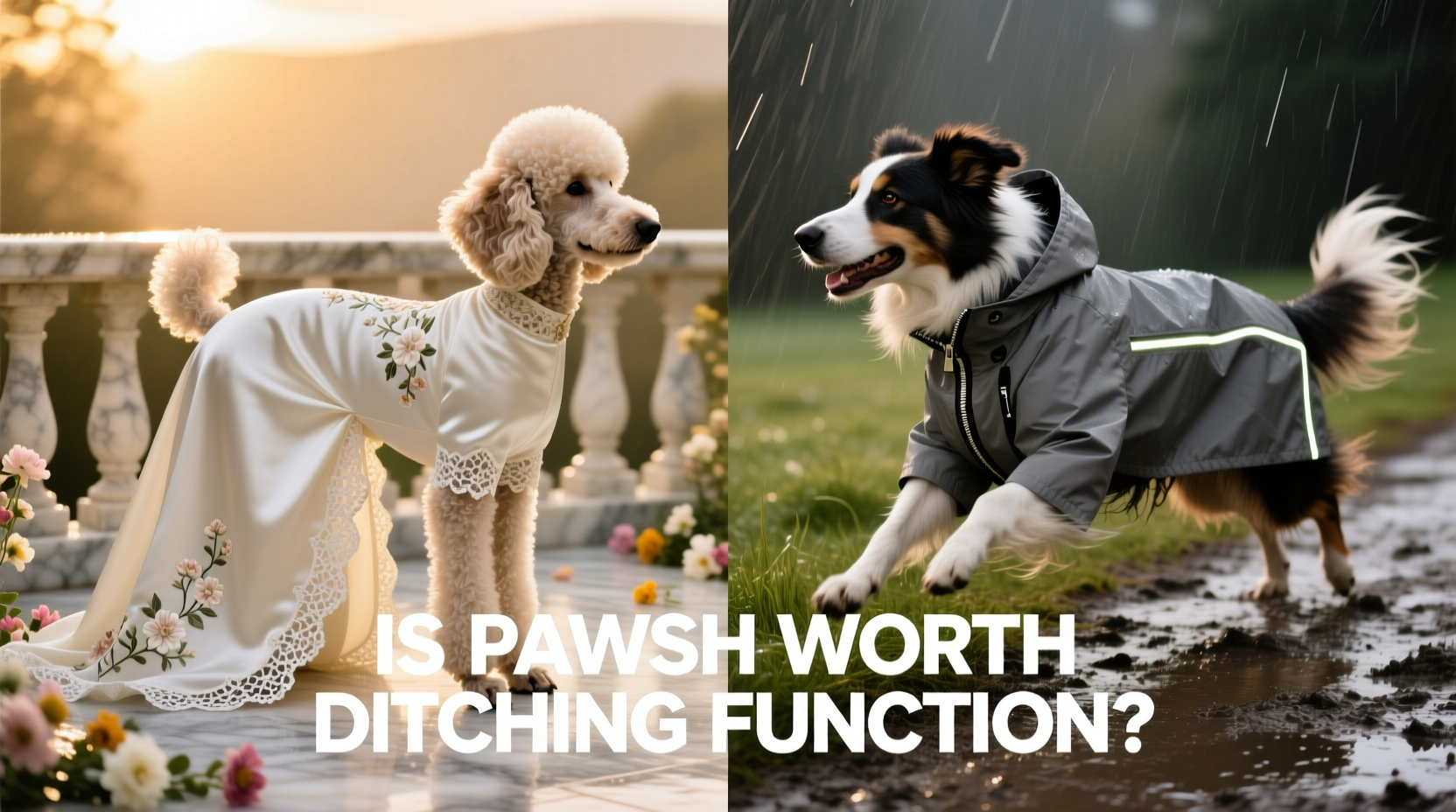
Pet apparel sales have surged globally, with the market projected to exceed $7 billion by 2025. Major fashion houses now offer canine lines, and influencers routinely showcase their pets in haute couture. While some pieces are designed with comfort and mobility in mind, many prioritize appearance over practicality.
Luxury dog dresses—often made from delicate fabrics like lace, silk, or sequined mesh—are typically worn for special occasions: birthdays, photo shoots, or holiday gatherings. They may be visually striking, but they rarely provide insulation, protection, or ease of movement. In contrast, practical dog coats are engineered for performance: wind resistance, waterproofing, thermal retention, and freedom of motion.
The growing trend of “pawsh” dressing raises ethical concerns. Are we dressing our dogs to celebrate them—or to project our own tastes onto them? As one veterinarian put it: “Pets don’t care about fashion. They care about comfort.”
“Just because something looks adorable doesn’t mean it’s appropriate. If a dog can’t move, eliminate, or regulate body temperature freely, the outfit fails its most basic test.” — Dr. Lena Torres, DVM, Animal Behavior Specialist
Functional Needs vs. Fashion Statements
Dogs require clothing only when environmental conditions demand it. Small breeds, senior dogs, and those with short coats often struggle in cold weather. For these pets, a well-fitted, insulated coat is not a luxury—it’s a necessity.
Practical dog coats serve specific purposes:
- Thermal regulation: High-loft synthetic fills or wool linings retain heat without adding bulk.
- Weather resistance: Waterproof outer shells keep dogs dry during rainy walks.
- Mobility: Ergonomic cuts allow full range of motion for running, sitting, and squatting.
- Easy access: Belly openings or harness-compatible designs enable quick bathroom breaks.
- Durability: Reinforced stitching and abrasion-resistant materials withstand daily use.
Luxury dresses, on the other hand, often lack these features. Tightly fitted bodices restrict breathing and movement. Skirts interfere with hind-leg clearance. Decorative elements like bows, beads, or ruffles pose choking hazards if chewed or torn.
When Fashion Crosses the Line
There’s no harm in occasional dressing up—provided the dog remains comfortable and safe. The danger lies in normalizing restrictive, impractical attire as everyday wear. Some red flags include:
- Dog refuses to walk or moves stiffly
- Excessive panting or whining while dressed
- Difficulty sitting, lying down, or lifting legs
- Coat or dress covering the tail or genital area
- Fabric that traps moisture against the skin
In extreme cases, ill-fitting garments can lead to chafing, restricted circulation, or overheating. One reported incident involved a Chihuahua developing a pressure sore from a tight lace collar worn under a dress for several hours. Another dog ingested a sequin, requiring emergency surgery.
Mini Case Study: Bella the Pomeranian
Bella, a 4-year-old Pomeranian, was brought to a behavioral clinic after her owner noticed increased anxiety during walks. Video review revealed that Bella wore a frilly pink dress daily—even in 70°F weather. The dress lacked ventilation and rubbed against her inner thighs. After removing the garment and switching to a breathable mesh vest, Bella’s agitation subsided within days. Her vet concluded: “The dress wasn’t just unnecessary—it was actively causing distress.”
Luxury Dog Dress vs Practical Dog Coat: Key Differences
| Feature | Luxury Dog Dress | Practical Dog Coat |
|---|---|---|
| Primary Purpose | Aesthetic appeal | Weather protection |
| Material | Silk, lace, tulle, sequins | Nylon, polyester, fleece, neoprene |
| Insulation | Minimal to none | High (thermal lining) |
| Mobility | Often restricted | Full range of motion |
| Hygiene Access | Rarely designed for elimination | Open belly or snap closures |
| Durability | Low (delicate fabrics) | High (reinforced seams) |
| Use Case | Photos, parties, brief wear | Daily walks, cold weather, outdoor activity |
Smart Guidelines for Responsible Pet Styling
You don’t have to abandon pet fashion entirely. With thoughtful choices, you can blend style and function. Follow this checklist to ensure your dog stays safe and happy:
- Assess the need: Is clothing necessary for warmth or protection?
- Choose breathable, non-restrictive fabrics.
- Ensure full leg and tail mobility—your dog should sit, run, and squat freely.
- Avoid loose embellishments that can be chewed or swallowed.
- Limited wear time: 15–30 minutes max for decorative outfits.
- Never leave a dressed dog unattended.
- Monitor for signs of discomfort: scratching, shaking, or trying to remove the garment.
- Wash regularly to prevent skin irritation from trapped sweat or dirt.
Step-by-Step: Choosing the Right Outerwear
Follow this timeline to select appropriate clothing based on your dog’s needs:
- Week 1: Observe your dog in different temperatures. Does he shiver below 45°F? Does he avoid going outside in the rain?
- Week 2: Measure your dog accurately—neck, chest, back length—to ensure proper fit.
- Week 3: Research brands known for functional design (e.g., Canada Pooch, Hurtta, Ruffwear).
- Week 4: Try a simple, adjustable coat on a cool day. Watch for behavior changes.
- Ongoing: Rotate seasonal gear and inspect for wear. Replace if insulation compresses or zippers fail.
Frequently Asked Questions
Can dogs get overheated in winter coats?
Yes. Even in cold weather, over-layering can cause overheating—especially during active walks. Dogs dissipate heat primarily through panting and their paws, so trapping too much warmth leads to stress. If your dog is sweating (damp fur under the coat), panting excessively, or slowing down, remove the coat immediately.
Are dog dresses ever acceptable?
Occasionally, yes—but with strict limits. Use only for short indoor events, ensure easy bathroom access, and monitor closely. Avoid forcing a reluctant dog to wear anything. If your pet resists, respect that boundary.
How do I know if a coat fits properly?
A well-fitted coat allows two fingers to slide comfortably under the neck and chest straps. It should cover the back from base of neck to base of tail, without restricting leg movement. The belly panel should lie flat, not pull or gap.
Final Thoughts: Prioritizing Well-Being Over Wow Factor
The bond between pet and owner thrives on trust, care, and mutual respect. While it’s natural to want to pamper and personalize our furry companions, their comfort and safety must come first. A dog who can’t run, relieve himself, or stay cool because of a pretty dress is not living his best life.
There’s nothing wrong with celebrating your dog’s personality through accessories. But let function guide form. Choose garments that enhance, not hinder, their natural behaviors. Celebrate them for who they are—not how they look in a tutu.




 浙公网安备
33010002000092号
浙公网安备
33010002000092号 浙B2-20120091-4
Comments
No comments yet. Why don't you start the discussion?