
Selecting the right college backpack isn’t just about style—it’s about function, comfort, and long-term usability. Students carry textbooks, laptops, notebooks, water bottles, and more across campus every day. A poorly chosen bag can lead to back pain, premature wear, or even damage to expensive electronics. With so many options on the market, making an informed decision is essential. This guide breaks down what truly matters when choosing a backpack that will support your academic journey from freshman year to graduation.
Assess Your Daily Load and Usage Patterns
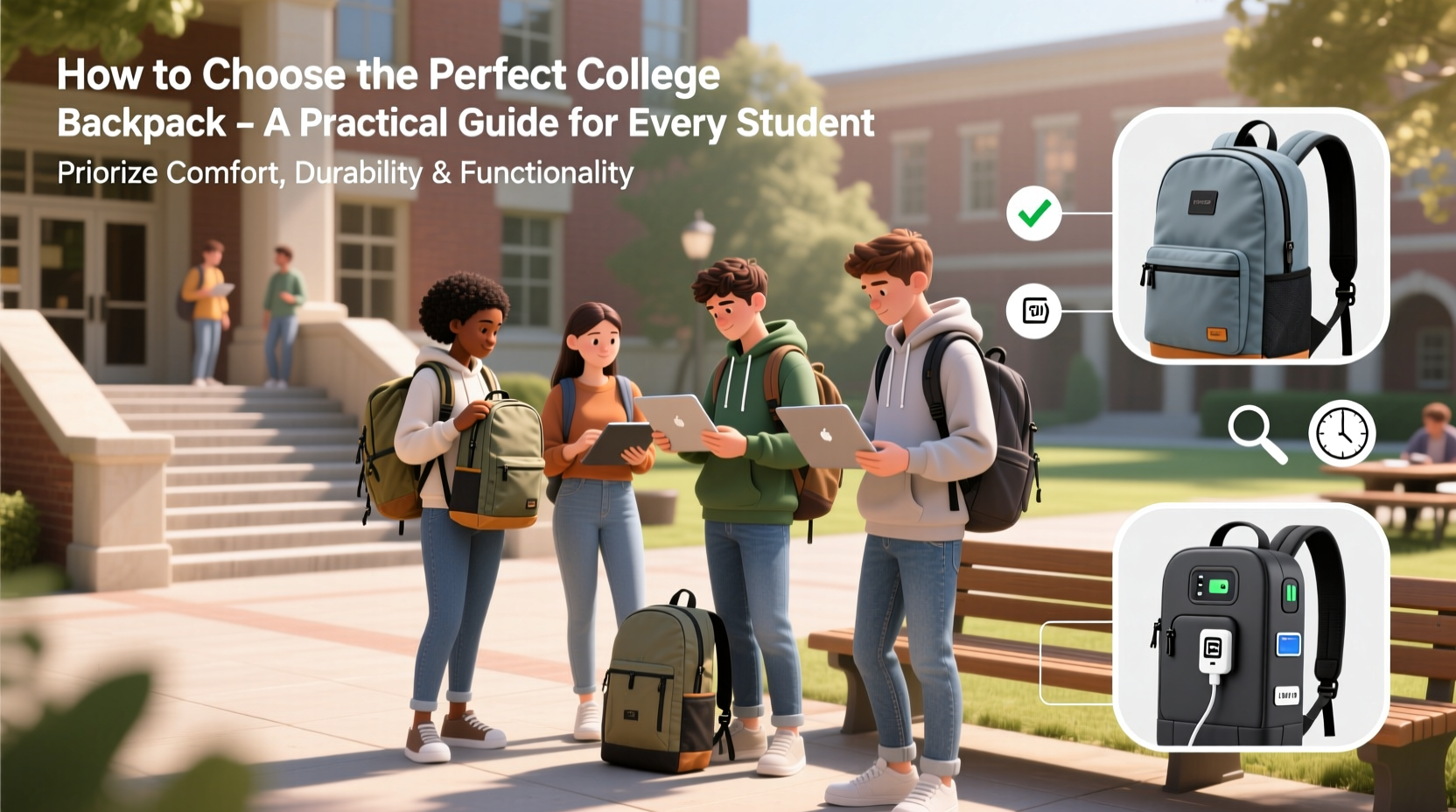
Your backpack should match your lifestyle, not the other way around. Before browsing brands or colors, take stock of what you actually carry. A computer science major lugging a 15-inch laptop, power bank, and tablet has different needs than an art student transporting sketchbooks and supplies.
Start by listing your daily essentials:
- Laptop and charger
- Tablet or e-reader
- Notebooks and binders (weight varies)
- Water bottle
- Snacks and lunch container
- Umbrella or jacket
- Personal items (wallet, keys, phone)
Weigh your current load occasionally. Carrying more than 10–15% of your body weight regularly can strain your spine. If your daily pack exceeds 15 pounds, prioritize ergonomic design and weight distribution.
Key Features That Make a Backpack College-Ready
Not all backpacks are built for academic endurance. Look beyond aesthetics and focus on these critical features:
Ergonomic Design and Comfort
Padded shoulder straps, a breathable back panel, and a chest or sternum strap help distribute weight evenly. Look for S-shaped or contoured straps—they follow natural shoulder lines better than flat ones. A padded hip belt transfers weight to your pelvis, reducing spinal pressure during long walks.
Dedicated Laptop and Tablet Compartments
A well-padded, suspended laptop sleeve (preferably with a snug fit) protects your device from drops and impacts. Ensure the compartment fits your laptop size—most standard sleeves accommodate up to 15.6 inches. Some models include RFID-blocking pockets for added security.
Organization and Accessibility
Multiple compartments prevent chaos. Ideal layouts include:
- Main compartment with internal organizers
- Front utility pocket for quick-access items
- Side mesh pockets for water bottles
- Dedicated tablet or document sleeve
- Hidden anti-theft pocket (great for IDs or cash)
Durability and Weather Resistance
College campuses mean rain, snow, and pavement drops. Choose materials like ballistic nylon, polyester with PU coating, or Cordura fabric. Water-resistant zippers and base reinforcements add longevity. A removable rain cover is a bonus for wet climates.
“Students often overlook material quality until their third semester, when seams start splitting. Investing in durable fabrics saves money and stress.” — Dr. Lena Torres, Ergonomics Researcher at Northeast Institute of Design
Size and Capacity: Finding the Sweet Spot
Backpack volume is measured in liters. For most undergraduates, a 20–30 liter capacity strikes the ideal balance between space and manageability.
| Capacity (Liters) | Best For | Risks of Over/Underuse |
|---|---|---|
| 15–19 L | Light commuters, minimal gear | Overstuffing; no room for growth |
| 20–25 L | Most students (laptop + books) | Ideal balance of space and comfort |
| 26–35 L | Grad students, lab equipment, commuters | Bulkiness; potential overloading |
| 36+ L | Travel-heavy students, fieldwork | Too large for daily campus use |
Avoid oversized bags—even if they seem like a “good deal.” Excess space tempts overpacking, which defeats ergonomic benefits.
Real Student Scenario: From Pain to Relief
Maya, a sophomore biology major, started her first year with a sleek, minimalist backpack she bought for its appearance. By midterms, she was experiencing persistent lower back pain. Her bag held a 14-inch laptop, three textbooks, and a heavy lab binder—but lacked padding or structure. After visiting the campus wellness center, she switched to a 22-liter backpack with ventilated back support, load-lifting straps, and dedicated compartments. Within two weeks, her discomfort decreased significantly. She also began rotating heavier books with digital versions when possible.
Her experience underscores a common mistake: prioritizing looks over long-term physical impact.
Step-by-Step Guide to Choosing Your Backpack
Follow this sequence to make a confident, informed purchase:
- Inventory your essentials – List everything you carry daily and weigh them together.
- Determine your capacity needs – Use the table above as a reference.
- Set a realistic budget – $60–$120 typically offers the best value for durable, feature-rich models.
- Try before you buy – Visit a store and load a demo bag with similar weight to test comfort.
- Check return policies – Some online retailers allow 30-day trials—ideal for real-world testing.
- Break it in gradually – Start with lighter loads to assess strap comfort and zipper reliability.
Top 5 Do’s and Don’ts When Shopping
| Do | Don’t |
|---|---|
| Test the zippers repeatedly—smooth operation matters | Ignore stitching quality—loose threads or single-stitch seams fail fast |
| Look for lifetime warranties—sign of brand confidence | Assume “water-resistant” means “waterproof” |
| Choose adjustable straps for long-term fit | Buy based solely on influencer endorsements |
| Consider gender-neutral designs for broader fit options | Overlook ventilation—sweat buildup damages both bag and clothing |
| Opt for reflective details if walking at night | Forget future needs—will you need more space next year? |
Frequently Asked Questions
Can I use a hiking backpack for college?
You can, but most hiking packs are designed for vertical weight distribution in outdoor terrain, not urban walking. They often lack organization for academic gear and may be too bulky. If you choose one, look for urban hybrid models with laptop sleeves and streamlined profiles.
How do I clean my backpack without damaging it?
Spot-clean with a damp cloth and mild soap. Never machine-wash unless the manufacturer explicitly allows it. Remove all contents, wipe interior compartments, and air-dry upside down. Avoid direct sunlight to prevent fabric fading and glue degradation.
Is a backpack with wheels a good option?
Wheeled backpacks reduce back strain but struggle on stairs, grass, and crowded hallways. They’re louder and harder to secure under desks. Best suited for students with mobility concerns or those navigating large, hilly campuses with limited seating en route.
Final Checklist Before You Buy
- ✅ Fits your laptop securely with padding
- ✅ Holds your daily load without exceeding 15% of your body weight
- ✅ Has padded, adjustable shoulder straps and breathable back panel
- ✅ Includes at least two external access points (side/water bottle, front pocket)
- ✅ Made from durable, water-resistant material
- ✅ Offers a warranty or satisfaction guarantee
- ✅ Feels comfortable after 10 minutes of wear with moderate weight
Make the Right Choice for Your Academic Journey
Your backpack is more than an accessory—it’s a daily companion through lectures, libraries, and late-night study sessions. The right one supports your health, protects your investments, and simplifies your routine. Don’t rush the decision. Take time to evaluate your needs, try options in person, and prioritize function without sacrificing comfort.




 浙公网安备
33010002000092号
浙公网安备
33010002000092号 浙B2-20120091-4
Comments
No comments yet. Why don't you start the discussion?