
In a world where personal accessories often double as status symbols, the humble keychain has evolved from a simple tool for holding keys into a statement piece. You can now find keychains ranging from $5 plastic trinkets to $500+ designer models adorned with luxury branding, precious metals, and handcrafted details. But is the premium price justified? For many, the decision comes down to more than just aesthetics—it’s about function, longevity, and perceived value. This article examines the real differences between luxury and regular keychains, helping you determine whether investing in a designer model is truly worthwhile.
Material Quality and Craftsmanship
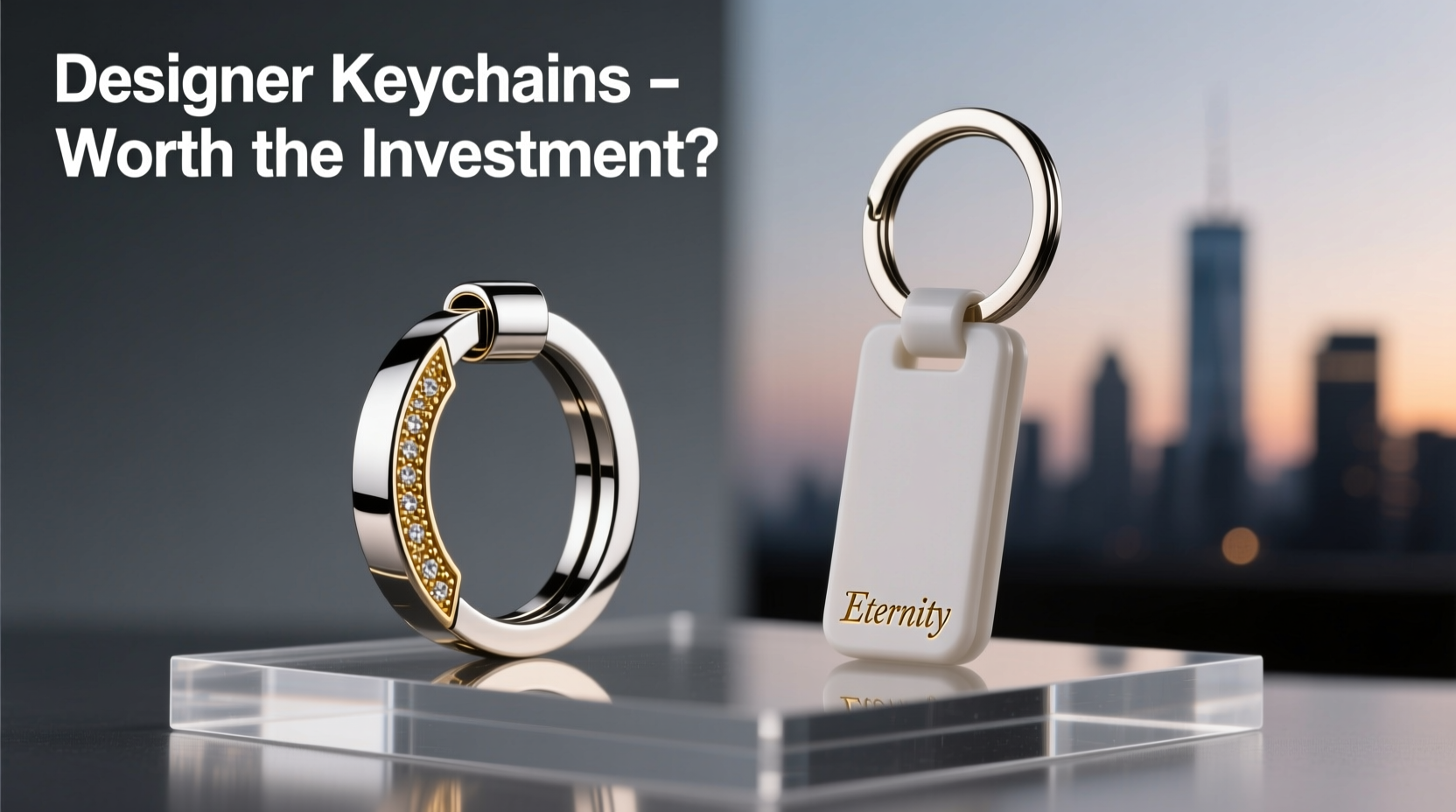
The most immediate distinction between a luxury keychain and a regular one lies in materials and construction. Standard keychains are typically made from inexpensive alloys, silicone, or injection-molded plastic. While functional, these materials wear quickly—prone to chipping, fading, or breaking under stress.
In contrast, high-end keychains from brands like Hermès, Montblanc, or Bottega Veneta use premium components: solid brass, stainless steel, genuine leather, or even sterling silver. These materials resist corrosion, maintain their finish over time, and feel substantial in hand. The craftsmanship also sets them apart—hand-stitching, precision engraving, and rigorous quality control ensure each piece meets exacting standards.
Longevity and Durability Comparison
A regular keychain may last six months to a year with daily use before showing signs of wear—snaps fail, logos peel, or the ring bends. Luxury keychains, however, are engineered for endurance. Many come with lifetime warranties or repair services, reflecting confidence in their build.
Consider this: a $12 keychain replaced four times over three years totals $48—nearly the cost of a mid-tier designer option. Factor in the inconvenience of losing keys due to broken hardware, and the equation shifts further in favor of durability.
“High-quality metal and reinforced attachment points mean luxury keychains rarely fail under normal use. It’s not just about looks—it’s structural integrity.” — Daniel Reeves, Product Design Engineer
Luxury vs Regular Keychains: A Comparative Breakdown
| Feature | Regular Keychain | Luxury Keychain |
|---|---|---|
| Price Range | $3 – $25 | $100 – $600+ |
| Materials | Plastic, zinc alloy, silicone | Leather, brass, stainless steel, palladium |
| Lifespan | 6–18 months | 5+ years (often decades) |
| Repair Options | None (disposable) | Brand repair or refurbishment |
| Resale Value | Negligible | Maintains 40–70% of value (limited editions higher) |
| Weight & Feel | Light, flimsy | Substantial, balanced |
Psychological and Social Value
Beyond physical attributes, luxury keychains carry symbolic weight. Attached to your keys—something used multiple times a day—they become a subtle but consistent extension of personal identity. In professional or social settings, pulling out a finely crafted keychain can signal attention to detail, taste, and financial stability.
This isn’t merely vanity; behavioral studies suggest that owning high-quality personal items can enhance self-perception and confidence. A well-made keychain becomes part of a curated lifestyle—one where small, repeated interactions reflect intentionality.
Still, this benefit depends on individual values. For someone who prioritizes minimalism or sustainability, a flashy logo might seem unnecessary. But for others, the pride of ownership and daily tactile satisfaction justify the investment.
Real-World Example: The Commuter’s Dilemma
Take James, a 34-year-old financial analyst in Chicago. He used to buy generic keychains every few months—usually promotional giveaways or dollar-store finds. Within weeks, the clips broke or the enamel faded. One winter morning, his entire keyring snapped inside a subway turnstile, causing him to miss an important client meeting.
Frustrated, he invested $185 in a leather-and-brass keychain from a reputable European brand. Three years later, it still functions flawlessly. The leather has developed a rich patina, and colleagues often compliment it. “It cost more upfront,” he says, “but I’ve saved money, avoided embarrassment, and actually enjoy using it every day.”
When a Designer Keychain Makes Sense
Not every situation calls for a luxury purchase. Here’s a checklist to help you decide if a designer keychain is right for you:
- ✅ Do you lose or break keychains frequently?
- ✅ Do you value long-term investments over disposable items?
- ✅ Is craftsmanship and material quality important to you?
- ✅ Do you carry your keys prominently (e.g., on a belt loop or bag strap)?
- ✅ Can you afford the upfront cost without financial strain?
- ✅ Are you likely to keep it for 3+ years?
If you answered yes to most of these, a designer keychain may offer tangible benefits beyond branding.
Alternatives and Smart Upgrades
You don’t need to spend hundreds to improve your key organization. Consider intermediate options:
- Minimalist titanium key organizers – Durable, sleek, and functional (e.g., KeySmart, Grid-It).
- Artisan-crafted leather key fobs – Independent makers offer hand-stitched pieces at $50–$100, avoiding luxury markups while delivering quality.
- Refurbished or pre-owned designer models – Platforms like Rebag or The RealReal offer authenticated luxury keychains at 30–60% off retail.
These alternatives bridge the gap between affordability and durability, offering many benefits of luxury designs without the full premium.
FAQ: Common Questions About Designer Keychains
Do luxury keychains increase in value?
Most do not, but limited-edition releases from iconic brands (e.g., Louis Vuitton x Supreme, Hermès special runs) can appreciate on the secondary market. For the average model, expect depreciation—but slower than mass-market equivalents.
Can a luxury keychain be practical for everyday use?
Absolutely. Many are designed with ergonomics and utility in mind—featuring quick-release mechanisms, modular attachments, or integrated bottle openers. Their robust build makes them ideal for heavy keysets or rugged environments.
Are luxury keychains only about branding?
No. While branding plays a role, especially with logo-centric houses like Gucci or Balenciaga, many high-end keychains prioritize engineering and materials. Brands like Porsche Design or Mutiny Hardware focus on performance, not fashion.
Final Verdict: Worth It for the Right Person
Designer keychains aren’t universally worth the cost. For casual users or those replacing keys infrequently, a $10 durable model may suffice. But for individuals who value longevity, craftsmanship, and daily usability, a luxury keychain can be a smart, cost-effective choice over time.
The true value lies not in the logo, but in the experience: the satisfying click of a solid clasp, the way leather ages beautifully, the peace of mind knowing your keys won’t scatter at a critical moment. When viewed as a long-term tool rather than a fleeting accessory, the math—and the meaning—begins to shift.




 浙公网安备
33010002000092号
浙公网安备
33010002000092号 浙B2-20120091-4
Comments
No comments yet. Why don't you start the discussion?