
In a world where everyday items are increasingly personalized and branded, the humble keychain has evolved from a utilitarian tool into a statement piece. No longer just a way to keep keys together, it's now a subtle symbol of identity, taste, and even status. But with luxury keychains priced at hundreds—or even thousands—of dollars, while basic models cost less than five, the question arises: Are consumers truly willing to pay more for a luxury keychain? And if so, why?
This article examines the psychological, cultural, and economic factors driving consumer behavior in this niche market. From craftsmanship and brand prestige to emotional attachment and social signaling, we’ll dissect what makes a $500 keychain not just plausible but desirable to a growing segment of buyers.
The Psychology Behind Premium Pricing
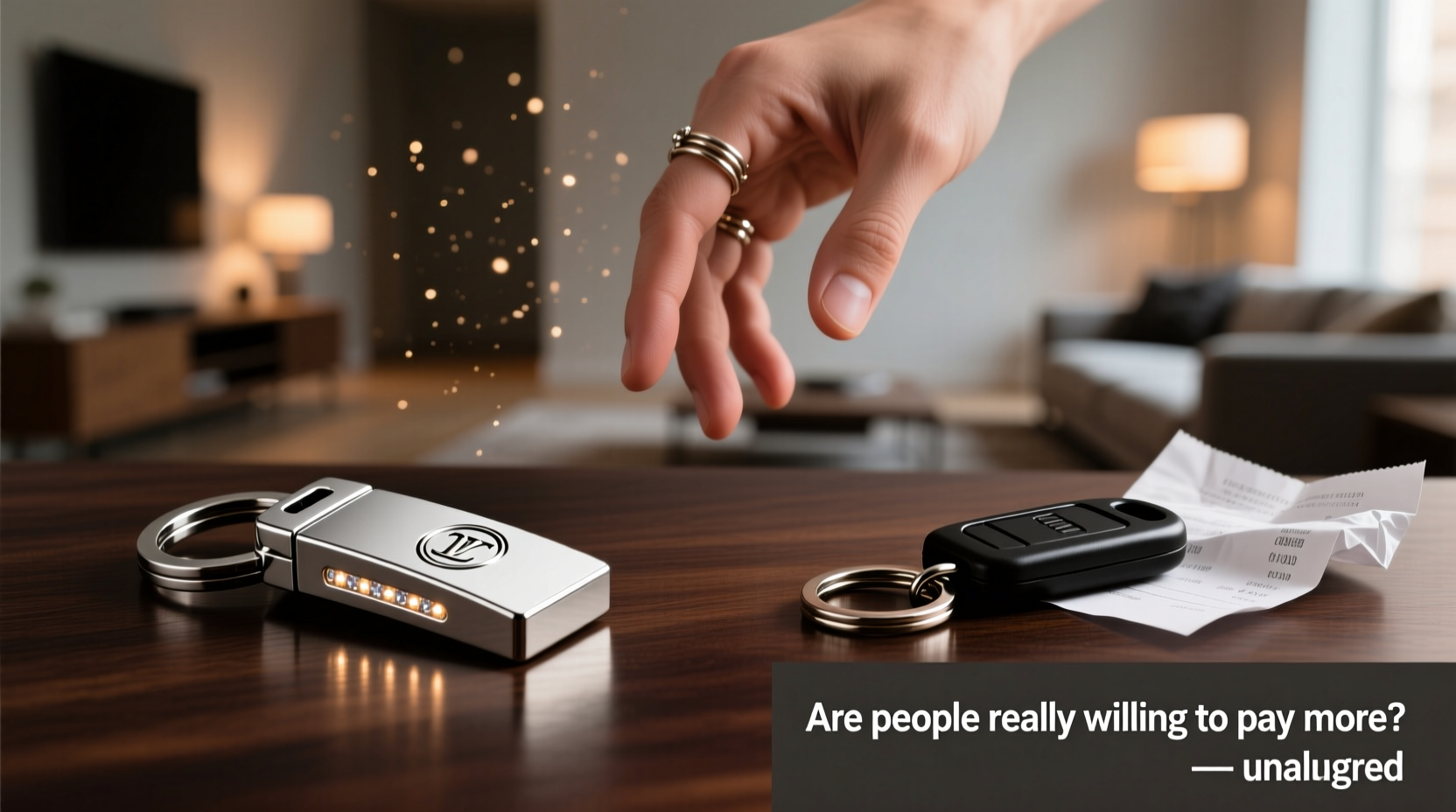
Pricing isn’t always about function. In fact, when it comes to accessories like keychains, perception often outweighs practicality. Luxury brands leverage several psychological principles to justify higher prices:
- Scarcity Effect: Limited-edition or handcrafted pieces create urgency and exclusivity.
- Brand Halo: A strong parent brand (e.g., Hermès, Gucci) transfers trust and desirability to smaller accessories.
- Self-Expression: Consumers use accessories to reflect personality, success, or belonging to a certain lifestyle.
- Endowment Effect: People place higher value on items they own or identify with emotionally.
A study by the Journal of Consumer Psychology found that individuals were more likely to perceive a product as valuable—even if functionally identical—if it carried a recognizable luxury logo. This suggests that the keychain isn't being purchased for its utility, but for the narrative it carries.
“People don’t buy products, they buy stories. A luxury keychain tells a story of access, taste, and achievement.” — Dr. Lena Torres, Behavioral Economist at NYU Stern School of Business
Function vs. Symbolism: What Are You Really Paying For?
At face value, both a $10 metal ring and a $300 engraved titanium key fob serve the same purpose: holding keys. But the differences go far beyond materials. Consider the breakdown of value components:
| Feature | Simple Keychain | Luxury Keychain |
|---|---|---|
| Material | Stainless steel, plastic, rubber | Precious metals, exotic leathers, aerospace-grade titanium |
| Craftsmanship | Mass-produced, automated | Hand-assembled, artisanal detailing |
| Brand Value | Minimal to none | High—linked to heritage, design legacy |
| Emotional Appeal | Functional, disposable | Sentimental, collectible, heirloom potential |
| Lifespan | 1–3 years (prone to wear) | Decades (with proper care) |
| Price Range | $1–$25 | $100–$1,500+ |
The data shows that while functionality overlaps, the luxury segment offers intangible benefits: prestige, durability, and personal meaning. For many buyers, these qualities justify the price gap.
Real-World Example: The Rise of the “Quiet Luxury” Keychain
In 2023, a minimalist titanium key organizer from a niche Swiss brand began gaining traction among tech executives and minimalist designers. Priced at $280, it offered no logo, no color, and only basic functionality: holding up to six keys in a sleek, rotating mechanism. Yet within six months, waitlists exceeded 1,200 people.
Interviews revealed that buyers weren’t impressed by flashiness, but by discretion. One software entrepreneur explained: “It’s not about showing off. It’s about having something perfectly made, quietly elegant. When I pull it out, I feel confident—not because others notice, but because I know what it represents.”
This case illustrates a shift in luxury consumption: away from overt branding toward understated excellence. The keychain became less an accessory and more a personal ritual object—a tactile reminder of intentionality.
Are People Willing to Pay More? Market Evidence Says Yes
Recent market trends confirm sustained demand for high-end accessories. According to a 2024 report by McKinsey & Company, the global luxury accessories market grew by 8.7% year-over-year, with small leather goods and functional items like key organizers outperforming traditional categories like wallets.
Notably, younger consumers—Millennials and Gen Z—are driving much of this growth. Contrary to assumptions that they prioritize affordability, many are selectively investing in fewer, higher-quality items. A survey by Bain & Company found that 62% of affluent Gen Z respondents would spend over $200 on a single accessory if it reflected their values: sustainability, craftsmanship, and uniqueness.
This selective splurging reflects a broader trend: conscious consumption. Instead of buying ten cheap keychains over a decade, one durable, meaningful piece becomes a long-term investment.
How to Choose: A Practical Checklist
If you're considering stepping into the luxury keychain market, here’s a checklist to ensure your purchase aligns with both value and intent:
- Evaluate Daily Use: Will you carry it every day, or is it for special occasions?
- Assess Material Quality: Look for corrosion-resistant metals, full-grain leather, or reinforced polymers.
- Check Brand Ethics: Does the company uphold sustainable sourcing and fair labor practices?
- Consider Customization: Engraving or bespoke elements can increase emotional value.
- Verify Warranty & Craftsmanship: Reputable brands often offer lifetime repairs or replacements.
- Test Ergonomics: Even the most beautiful design fails if it’s bulky or uncomfortable in your pocket.
FAQ: Common Questions About Luxury Keychains
Isn’t a keychain too small to justify a high price?
Size doesn’t determine value. Think of it like a fine watch or wedding band—small objects can carry immense symbolic, emotional, or craftsmanship value. A luxury keychain may represent years of engineering, artisan labor, and material refinement.
Do luxury keychains last longer?
Generally, yes. High-end materials like surgical steel, sapphire-coated finishes, and vegetable-tanned leather resist wear far better than mass-market alternatives. With care, a luxury keychain can last decades, making the cost-per-use surprisingly low over time.
Can a keychain really be a status symbol?
Subtly, yes. While not as visible as a watch or bag, a luxury keychain often appears in professional settings—on desks, during meetings, or when unlocking a car. For those in-the-know, discreet branding or exceptional materials signal attention to detail and refined taste.
Conclusion: Value Beyond the Price Tag
The debate between luxury and simple keychains isn’t just about metal and rings—it’s about meaning. For some, a keychain is purely functional, easily replaced, and unworthy of investment. For others, it’s a daily companion, a reflection of personal standards, or even a legacy item passed down through generations.
The willingness to pay more exists, and it’s growing. It’s fueled not by vanity, but by a deeper desire for quality, authenticity, and self-expression in an age of disposability. Whether you choose a $5 split ring or a $500 hand-engraved fob, the real question isn’t about cost—it’s about what you want your everyday objects to say about you.




 浙公网安备
33010002000092号
浙公网安备
33010002000092号 浙B2-20120091-4
Comments
No comments yet. Why don't you start the discussion?