
Mole is not just a sauce—it’s a cultural cornerstone of Mexican cuisine, a symphony of chiles, spices, nuts, seeds, chocolate, and aromatics that varies by region, family, and occasion. For many outside Mexico, creating an authentic mole from scratch can seem daunting, requiring hours of roasting, toasting, grinding, and simmering. That’s where Dona Maria mole paste comes in: a trusted, high-quality shortcut that captures the depth and complexity of traditional Oaxacan mole negro without sacrificing authenticity. When used skillfully, this ready-made paste becomes a professional-grade foundation, not a compromise. This guide reveals how to elevate Dona Maria mole paste into a restaurant-quality dish, balancing flavors, adjusting textures, and pairing it thoughtfully with proteins and sides—just as a seasoned *cocinera* would.
Definition & Overview
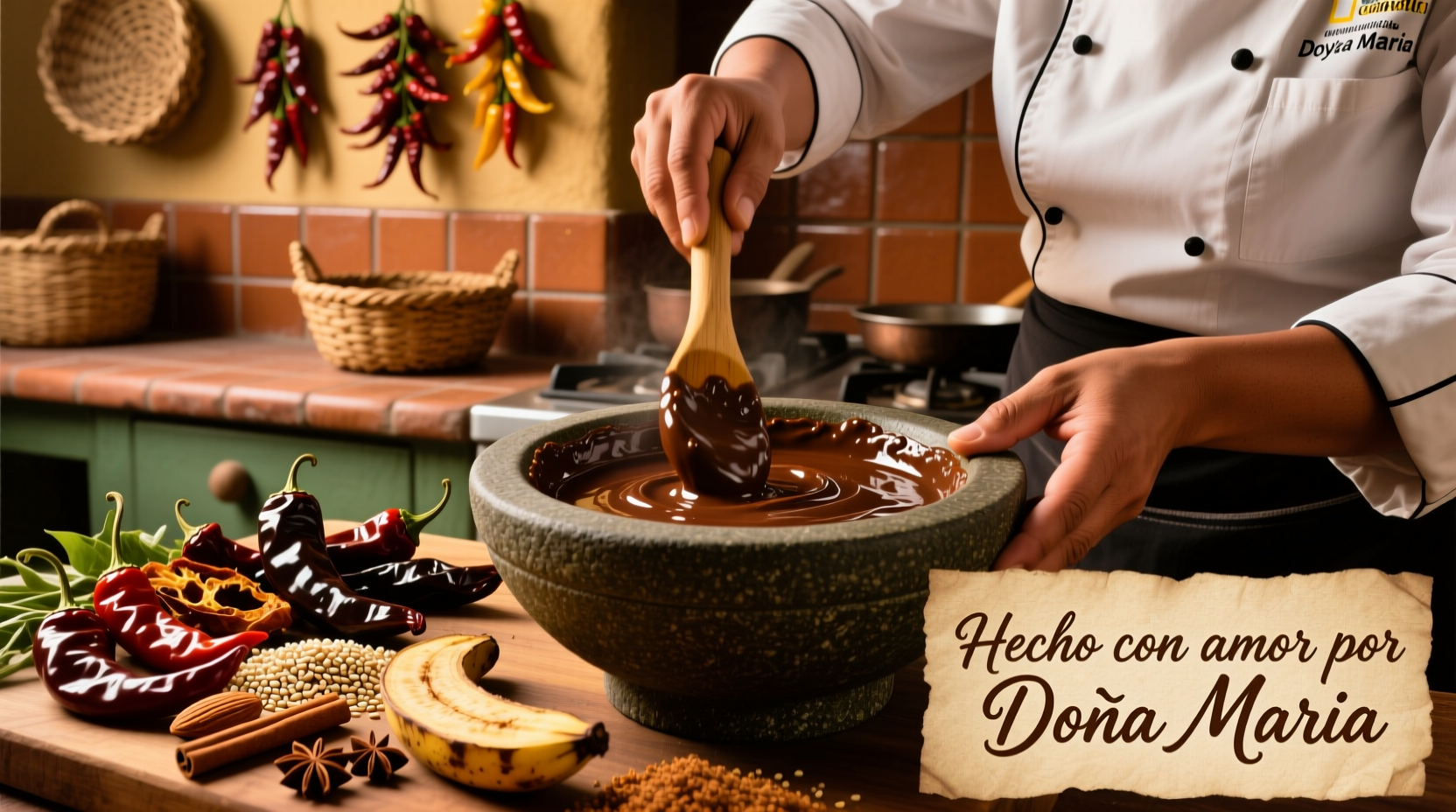
Mole (pronounced MOH-leh, not “moh-lay”) refers to a category of complex sauces in Mexican cooking, most famously mole negro from Oaxaca. These sauces are distinguished by their layered ingredients—often 20 or more—including dried chiles (such as ancho, pasilla, mulato), spices (cumin, cloves, cinnamon), nuts (almonds, peanuts), seeds (sesame, pumpkin), plantains, tomatoes, garlic, onions, and sometimes bitter chocolate. The word “mole” derives from the Nahuatl word *mōlli*, meaning “sauce” or “concoction.”
Dona Maria is a commercial mole negro paste developed in Mexico and widely available in Latin markets and online. It contains pre-toasted and ground ingredients typical of Oaxacan mole: chiles, sesame seeds, almonds, raisins, plantain, cloves, cinnamon, and unsweetened chocolate. While not a substitute for a handcrafted, multi-generational family recipe, Dona Maria delivers remarkable authenticity when treated as a base rather than a finished product. Its value lies in consistency, accessibility, and time savings—especially for home cooks seeking genuine flavor without the full labor of traditional preparation.
Key Characteristics of Dona Maria Mole Paste
| Characteristic | Description |
|---|---|
| Flavor Profile | Deeply savory with smoky chile notes, subtle sweetness from raisins and plantain, warm spice (cinnamon, clove), and a faint bitterness from dark chocolate. Balanced umami richness. |
| Aroma | Toasted nuts, roasted chiles, warm baking spices, and a hint of earthy chocolate. |
| Color/Form | Thick, dark brown paste with visible specks of sesame seed and spice. Resembles dense peanut butter in texture. |
| Heat Level | Mild to moderate (2–4/10). Not spicy-hot; heat serves as background warmth rather than dominant sensation. |
| Culinary Function | Sauce base for poultry, pork, enchiladas, tamales, or vegetables. Adds depth to stews and braises. |
| Shelf Life | Unopened: 18–24 months in cool, dry place. Opened: up to 3 weeks refrigerated, or freeze in portions for 6 months. |
Practical Usage: Elevating Dona Maria Mole Like a Pro
The key to mastering mole with Dona Maria paste is understanding that it is a concentrated flavor base—not a final sauce. Treating it like ketchup will yield flat, one-dimensional results. But when properly diluted, adjusted, and enhanced, it becomes indistinguishable from slow-simmered, handmade versions.
Step-by-Step Method for Restaurant-Quality Mole
- Prepare the Liquid Base: In a heavy-bottomed pot, heat 2 tablespoons of vegetable oil or lard over medium heat. Add ½ cup finely diced white onion and 2 minced garlic cloves. Sauté until translucent—about 5 minutes. Do not brown.
- Bloom the Paste: Add 1 cup of Dona Maria mole paste. Stir constantly for 3–4 minutes to toast the paste gently. This step intensifies aroma and deepens flavor—do not skip it.
- Add Broth Gradually: Slowly whisk in 3 cups of low-sodium chicken or vegetable broth. Start with small amounts to prevent clumping, then increase as mixture emulsifies.
- Simmer and Season: Bring to a gentle simmer. Reduce heat to low and cook uncovered for 25–35 minutes, stirring occasionally. Skim any foam if necessary.
- Adjust Flavor: Taste and refine. Most Dona Maria batches benefit from:
- 1 tsp apple cider vinegar or lime juice (brightens richness)
- ½ tsp salt (enhances overall flavor)
- 1 tbsp sugar or honey (balances bitterness, especially if chocolate dominates)
- Pinch of ground cumin or smoked paprika (adds depth)
- Strain for Smoothness (Optional): For silky texture, pass through a fine-mesh sieve. Press with a ladle to extract all sauce.
Pro Tip: For extra richness, replace ½ cup of broth with heavy cream or Mexican crema. Alternatively, blend in ¼ cup toasted almonds or walnuts before straining to amplify nuttiness and body.
Pairing Suggestions & Serving Ideas
- Chicken Enmolada: Poach boneless thighs in broth, shred, and roll in corn tortillas. Arrange in a baking dish, cover with warm mole, and top with crumbled queso fresco and fried plantain slices.
- Mole Poblano-Style Turkey: Use as a glaze or basting sauce for roasted turkey legs or breast. Baste during last 30 minutes of cooking.
- Vegan Option: Toss roasted sweet potatoes, cauliflower, or mushrooms in mole and serve over black beans and rice.
- Breakfast Twist: Drizzle over scrambled eggs with avocado and pickled red onions.
- Empanadas: Fill masa or flour empanadas with shredded chicken and mole, then bake or fry.
Variants & Types of Mole and Commercial Pastes
While Dona Maria specializes in mole negro, Mexico boasts at least seven classic moles, each with regional distinctions:
| Type of Mole | Region | Key Ingredients | Availability of Paste |
|---|---|---|---|
| Mole Negro | Oaxaca | Chiles, chocolate, nuts, plantain, spices | Yes – Dona Maria, Guelaguetza |
| Mole Poblano | Puebla | Similar to negro but often sweeter, less smoky | Limited – some brands offer it |
| Mole Verde | Oaxaca/Puebla | Tomatillos, green chiles, herbs (epazote, cilantro) | Rare – usually made fresh |
| Mole Amarillo | Oaxaca | Guajillo chiles, tomatoes, cumin | Very rare commercially |
| Mole Chichilo | Oaxaca | Hoja santa, chile costeño, ash-roasted ingredients | Not available commercially |
| Mole Manchamanteles | Oaxaca | Fruit-heavy (pineapple, plantain), pork, mild chiles | Specialty only |
| Mole Coloradito | Oaxaca | Ancho chiles, tomatoes, almonds, mild sweetness | Occasional – check gourmet brands |
Dona Maria remains the most accessible and consistent option for mole negro. Other brands like Guelaguetza, El Meson, and La Morena offer similar pastes but vary in sweetness, salt content, and chocolate intensity. Always taste before seasoning.
Comparison with Similar Ingredients
Dona Maria is often confused with other Latin American sauces and condiments. Understanding the differences ensures proper use.
| Ingredient | How It Differs from Dona Maria Mole |
|---|---|
| Adobo Sauce | Thin, tomato-vinegar base with smoked paprika and garlic. Used to marinate meats (e.g., chipotles in adobo). Lacks nuts, chocolate, and complexity of mole. |
| Harissa | North African chili paste with caraway and coriander. Much spicier and brighter. No chocolate or sweetness. |
| Tamari or Soy Sauce | Salty umami liquid. Sometimes misused as mole substitute. No thickening power or aromatic depth. |
| Barbecue Sauce | Sweet-tangy American condiment with ketchup base. Overpowering acidity and sugar mask mole’s subtlety. |
| Mole Powder (e.g., McCormick) | Dry spice mix lacking fat, nuts, and chocolate. Requires adding multiple ingredients. Less authentic than paste. |
Practical Tips & FAQs
Can I make Dona Maria mole vegetarian or vegan?
Yes. Substitute vegetable broth for chicken broth. For richness, add a tablespoon of almond butter or simmer with a piece of roasted squash. Avoid dairy-based crema unless using a vegan alternative.
Is Dona Maria mole spicy?
No, not in the conventional sense. It has mild warmth from chiles and spices but is designed for balance, not heat. Safe for most palates, including children.
How do I store leftover mole sauce?
Cool completely, then transfer to airtight container. Refrigerate for up to 5 days or freeze in 1-cup portions for up to 6 months. Reheat gently with a splash of broth to restore consistency.
What if my mole tastes too bitter?
Bitterness usually comes from overcooked chocolate or excessive paste. Balance with 1–2 teaspoons of honey, maple syrup, or piloncillo. A splash of citrus juice can also lift the flavor.
Can I use Dona Maria mole in slow cooker recipes?
Absolutely. After blooming the paste in a skillet, transfer to slow cooker with cooked chicken and 2 cups broth. Cook on low 4–6 hours. Shred meat and stir before serving.
Why does my mole separate?
Oil and water don’t naturally mix. To prevent separation, always bloom the paste in fat first and add liquid gradually while whisking. If separation occurs, blend briefly with an immersion blender or in a stand blender (cool slightly first).
Can I use it in fusion dishes?
Yes, but respectfully. Try it as a glaze for grilled salmon, stirred into risotto with roasted poblano, or as a dipping sauce for spring rolls with mango. Avoid pairing with strongly flavored global spices that clash with its delicate balance.
Expert Insight: “Mole is about harmony, not dominance. Even when using a paste, you’re still the conductor. Taste every step. Adjust. Let it breathe. The best mole isn’t the most complex—it’s the one that feels whole.” — Chef Elena Ruiz, Oaxacan Culinary Institute
Summary & Key Takeaways
Dona Maria mole paste is a powerful tool for achieving authentic Mexican mole without the exhaustive prep. However, mastery lies not in convenience but in technique: blooming the paste, building layers with aromatics, adjusting seasoning, and pairing thoughtfully. Treat it as a living ingredient, not a canned solution.
- Dona Maria replicates traditional Oaxacan mole negro with remarkable fidelity when used correctly.
- Always bloom the paste in fat and build the sauce gradually with broth to avoid clumping.
- Adjust with acid, sweetness, and salt to achieve balance—never serve straight from the jar.
- Freeze extras in portioned containers for quick, elegant meals later.
- Respect regional pairings: poultry, tortillas, rice, and simple sides let the mole shine.
Challenge Yourself: Next time you host, serve chicken mole tacos with pickled red onions, crema, sesame seeds, and warm tortillas. Your guests won’t believe it started with a jar.




 浙公网安备
33010002000092号
浙公网安备
33010002000092号 浙B2-20120091-4
Comments
No comments yet. Why don't you start the discussion?