
Separating egg yolks from whites is a fundamental skill in cooking and baking, essential for everything from meringues to custards and hollandaise sauce. While it may seem intimidating at first, especially if you've had your share of broken yolks or shell fragments, mastering this technique is simpler than most people think. With the right approach, tools, and a little practice, you can separate eggs cleanly and efficiently—without getting your hands dirty or risking contamination.
The key isn’t brute force or speed—it’s precision, patience, and choosing the method that suits your comfort level and kitchen setup. Whether you're a beginner or looking to refine your technique, these proven strategies will help you achieve consistent results every time.
Why Clean Separation Matters
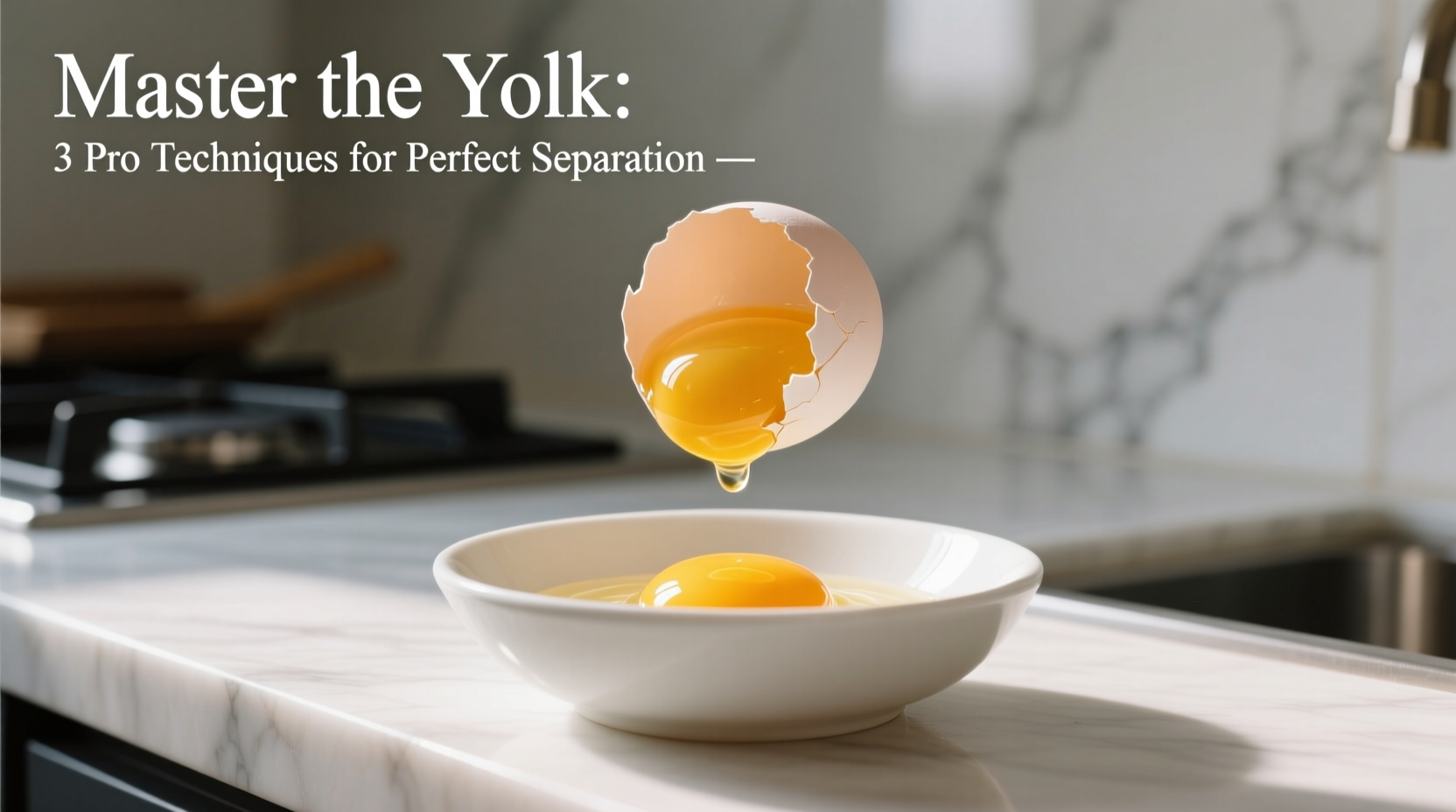
Even a small amount of yolk in egg whites can prevent them from whipping properly. The fat in the yolk interferes with the protein structure needed to create volume and stability. For delicate recipes like soufflés, angel food cake, or macarons, this can mean the difference between success and collapse.
On the flip side, pure yolks are crucial for sauces like crème anglaise or mayonnaise, where texture and emulsification depend on uncontaminated yolks. A speck of white won’t ruin everything, but for best results, clean separation is non-negotiable.
“Precision in egg separation reflects overall attention to detail in the kitchen. It’s not just about function—it’s about control.” — Chef Rafael Mendez, Pastry Instructor at Le Cordon Bleu Paris
Step-by-Step Guide: 5 Foolproof Methods
No single method works for everyone. Some prefer using their hands; others want zero contact. Below are five reliable techniques, ranked by ease, cleanliness, and effectiveness.
1. The Hand Method (Traditional & Tactile)
- Crack the egg gently on a flat surface (not the edge of a bowl) to avoid shell shards.
- Open the egg into your dominant hand over a bowl.
- Let the white slip through your fingers while cradling the yolk in your palm.
- Transfer the yolk to a second bowl once the white has drained.
2. The Shell-to-Shell Toss (Classic Home Cook’s Trick)
- Crack the egg and open it into one half of the shell.
- Pass the yolk back and forth between the two shell halves, letting the white fall into a bowl below.
- Once most of the white has drained, drop the yolk into a clean bowl.
This method requires steady hands and fresh eggs (older eggs have runnier whites, making it harder). Be cautious—small shell fragments can break off during transfer.
3. The Bottle Suction Technique (Modern & Mess-Free)
- Crack an egg into a shallow bowl.
- Squeeze a clean plastic water bottle slightly and place the opening over the yolk.
- Release the squeeze—the suction will lift the yolk into the bottle.
- Transfer the yolk to a separate container.
This method is ideal for those who dislike touching raw eggs. It's fast, hygienic, and surprisingly precise with a little practice.
4. Using an Egg Separator Tool
- Place the separator over a bowl.
- Crack the egg directly into the tool.
- White drains through; yolk remains in the cup.
- Slide the yolk into a second bowl.
These inexpensive gadgets are dishwasher-safe and eliminate guesswork. Look for models with a built-in shell catcher to reduce contamination risk.
5. The Funnel Over Bowl (Great for Multiple Eggs)
- Set a small kitchen funnel in a bowl.
- Crack each egg into the funnel.
- Whites flow through; yolks stay behind.
- Use a spoon or spatula to remove the yolk.
Ideal when separating several eggs at once. Just ensure the funnel opening isn’t too wide—otherwise, yolks may slip through.
Do’s and Don’ts of Egg Separation
| Do’s | Don’ts |
|---|---|
| Use cold eggs—they’re easier to separate due to firmer yolks. | Use cracked or dirty eggs—risk of contamination increases. |
| Separate eggs one at a time into a small dish before adding to main batch. | Pour directly into the mixing bowl—if a yolk breaks, you’ll ruin the whole batch. |
| Work over a clean workspace and sanitized bowls. | Touch yolks with oily hands—skin oils can affect emulsification. |
| Chill separated whites for better whipping stability. | Leave whites at room temperature for more than 2 hours. |
Real Example: Baking Failure Turned Success
A home baker in Portland attempted her first batch of lemon meringue pie. Despite following the recipe exactly, the meringue refused to peak and collapsed in the oven. Frustrated, she posted in a baking forum, only to realize she had cracked all six eggs directly into a large bowl—and one yolk had broken unnoticed.
After learning the “separate into small bowls” rule and switching to the bottle method, her next attempt succeeded perfectly. The lesson? One tiny mistake can derail a recipe, but proper technique prevents costly errors.
Checklist: Perfect Egg Separation Routine
- ✅ Use fresh, cold eggs from the fridge.
- ✅ Crack on a flat surface, not a bowl edge.
- ✅ Separate each egg into a small ramekin first.
- ✅ Transfer yolk only after confirming no breakage.
- ✅ Keep whites chilled until ready to use.
- ✅ Wash tools and hands thoroughly between batches.
- ✅ Discard any egg if shell fragments or yolk touch the whites.
Frequently Asked Questions
Can I freeze separated egg yolks and whites?
Yes. Egg whites freeze well for up to 12 months. Yolks benefit from a pinch of salt or sugar (½ teaspoon per ¼ cup) to maintain texture. Thaw overnight in the refrigerator before use.
Why did my egg white turn cloudy?
Fresh egg whites are naturally cloudy due to high carbon dioxide content. This clears as the egg ages but doesn’t affect usability. Clear whites aren’t necessarily fresher—they may be older.
Is it safe to separate eggs with your hands?
Yes, as long as your hands are clean and dry. Avoid lotions or oils beforehand. If hygiene is a concern, opt for the bottle or funnel method.
Conclusion: Elevate Your Kitchen Skills One Egg at a Time
Mastering egg separation isn’t about perfection on the first try—it’s about consistency, cleanliness, and smart habits. Whether you prefer the tactile feedback of hand separation or the clinical precision of a plastic bottle, the goal remains the same: pure yolks, pristine whites, and confidence in your prep work.
Every great dish starts with solid fundamentals. Now that you’ve learned how to separate eggs cleanly and efficiently, apply this skill to your next soufflé, custard, or homemade mayonnaise. Practice one method until it feels natural, then experiment with others to find your personal favorite.




 浙公网安备
33010002000092号
浙公网安备
33010002000092号 浙B2-20120091-4
Comments
No comments yet. Why don't you start the discussion?