
Solving a Rubik’s Cube is as much about mechanical finesse as it is about mental agility. While algorithms and practice are essential, even the most skilled cubers face mechanical issues that disrupt performance. From stiff turns to popped pieces, these problems can derail progress and frustrate beginners and experts alike. Understanding how to maintain, troubleshoot, and fix your cube is just as important as learning the CFOP or Roux methods. This guide delivers actionable insights into diagnosing and resolving the most frequent Rubik’s Cube issues—so you can keep turning smoothly and solving efficiently.
Understanding Your Cube: Anatomy and Common Issues
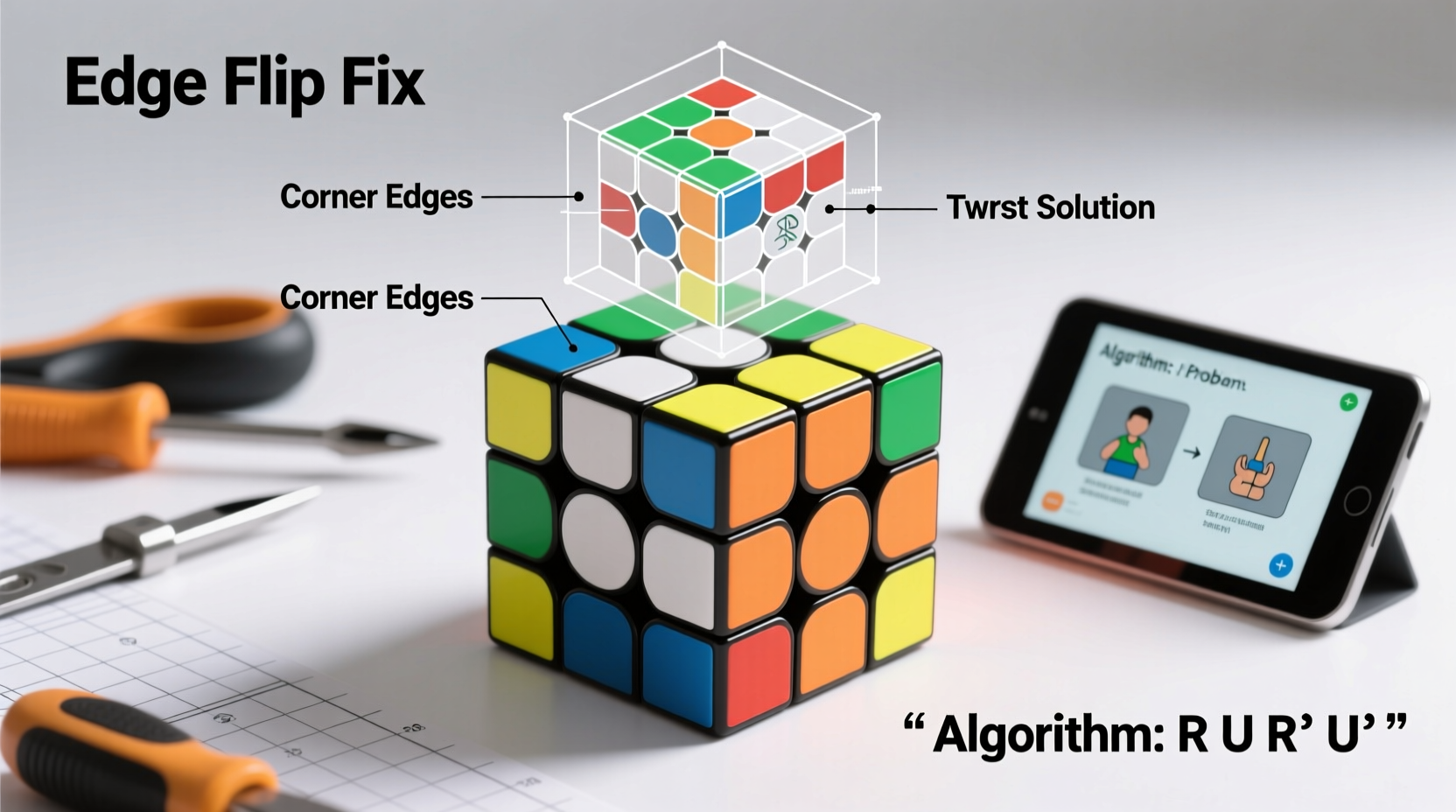
A standard 3x3 Rubik’s Cube consists of 26 visible pieces: 6 center caps, 12 edges, 8 corners, and an internal core with springs and screws. The cube’s performance depends on the balance between tension, lubrication, and alignment. Over time, normal use leads to wear, dirt buildup, or accidental drops that compromise function.
The most common mechanical problems include:
- Stiff turning: Resistance when rotating layers.
- Locking up: Layers jam during fast solves.
- Popping pieces: Edge or corner pieces fly out during rotation.
- Misaligned layers: Faces don’t align flush after a turn.
- Noisy operation: Grinding or squeaking sounds during use.
These issues often stem from improper tension, lack of lubrication, or physical damage. Recognizing the root cause is the first step toward resolution.
Troubleshooting Guide: Step-by-Step Fixes
When your cube isn’t performing well, follow this logical sequence to diagnose and repair the issue:
- Disassemble carefully: Turn one face 45 degrees and gently pry out an edge piece using your thumb or a plastic tool. Avoid metal tools to prevent scratching.
- Clean all components: Wipe down each piece with a microfiber cloth. For stubborn grime, use isopropyl alcohol (70%) on a cotton swab. Let parts dry completely before reassembly.
- Inspect the core: Check for cracked plastic or stripped screw threads. If damaged, consider replacing the core or upgrading to a new speed cube.
- Re-lubricate properly: Apply a few drops of silicone-based lube (e.g., Traxxas 10K or Speed Cube Lube) to the core and inner faces of edge and corner pieces. Avoid petroleum-based oils—they degrade plastic over time.
- Reassemble and adjust tension: Rebuild the cube layer by layer, ensuring correct orientation. Tighten screws evenly until there’s slight resistance, then back off a quarter-turn for smoothness.
This process not only fixes immediate problems but also extends the cube’s lifespan and enhances performance.
Do’s and Don’ts of Cube Maintenance
| Do’s | Don’ts |
|---|---|
| Use silicone-based lubricants only | Use WD-40 or household oil |
| Clean your cube every 3–6 months | Submerge the cube in water |
| Store in a protective case or pouch | Leave it in direct sunlight or hot cars |
| Check screw tension monthly | Over-tighten screws to stop pops |
| Rotate usage if you own multiple cubes | Drop or slam the cube during frustration |
Real Example: Recovering from a Popped Cube Mid-Competition
Jessica, an intermediate speedcuber, was attempting a sub-20-second solve at a local competition when her front-right corner piece suddenly popped out. She paused, took a breath, and calmly reinserted the piece—only to find the layer wouldn’t turn. After the attempt was invalidated, she took her cube home for inspection.
Upon disassembly, she discovered two issues: dried-up lubricant and overly tight screws. She cleaned each piece, applied fresh silicone lube, and adjusted the tension. The next day, her average solve time dropped by 3 seconds, and she hasn’t had a pop since. Her experience underscores a key truth: mechanical reliability directly impacts performance under pressure.
“Speed isn’t just about finger tricks—it’s about consistency. A well-maintained cube reduces variables so you can focus on execution.” — David Lee, WCA Judge and Speedcubing Coach
Essential Checklist for Optimal Cube Performance
Keep this checklist handy for routine maintenance or when troubleshooting:
- ✅ Are all stickers intact and aligned?
- ✅ Do all layers turn smoothly without catching?
- ✅ Is there any visible debris inside the mechanism?
- ✅ Are screws equally tightened on all six sides?
- ✅ Has the cube been lubricated within the last 6 months?
- ✅ Do corner pieces snap securely into place?
- ✅ Is there excessive wobble or lateral movement?
- ✅ Does the cube feel balanced, or is one axis stiffer?
Running through this list monthly—or after intense use—can prevent sudden failures and maintain peak performance.
Frequently Asked Questions
Why does my cube keep popping pieces?
Popping usually occurs due to incorrect tension or worn internal pieces. Over-tightening stresses the plastic, while under-tightening allows too much play. Adjust screws to a medium tension and ensure all pieces are fully seated. If popping persists, consider upgrading to a modern magnetic cube with improved stability.
Can I fix a cracked center piece?
A small crack may not affect function immediately, but it will likely worsen with use. Superglue can temporarily bond minor fractures, but it adds uneven weight and stiffness. For competitive cubers, replacement is the better option. Many manufacturers sell individual replacement parts, or you can source them from online cube communities.
How often should I lubricate my cube?
Every 2 to 3 months for regular users. Heavy solvers or those in dusty environments may need monthly lubing. Signs it’s time include increased friction, squeaking, or inconsistent turning. Use a light application—too much lube attracts dust and slows performance.
Conclusion: Elevate Your Solving Experience
Mastering the Rubik’s Cube goes beyond memorizing algorithms. True proficiency includes understanding your tool—the cube itself. By maintaining proper tension, cleaning regularly, and addressing issues promptly, you create a reliable instrument that responds precisely to your movements. Whether you're solving for speed, relaxation, or mental challenge, a well-tuned cube makes all the difference.




 浙公网安备
33010002000092号
浙公网安备
33010002000092号 浙B2-20120091-4
Comments
No comments yet. Why don't you start the discussion?