
Selecting the right accessories can transform a beautiful formal dress into a truly unforgettable ensemble. Among these, the brooch stands out as a timeless emblem of sophistication—offering both visual interest and personal expression. Yet, despite its understated presence, a poorly chosen brooch can disrupt an otherwise elegant look. Mastering brooch selection requires attention to proportion, color harmony, neckline compatibility, and occasion appropriateness. This guide delivers practical, expert-backed advice to ensure your brooch enhances—not competes with—your formal attire.
Understanding the Role of a Brooch in Formal Wear
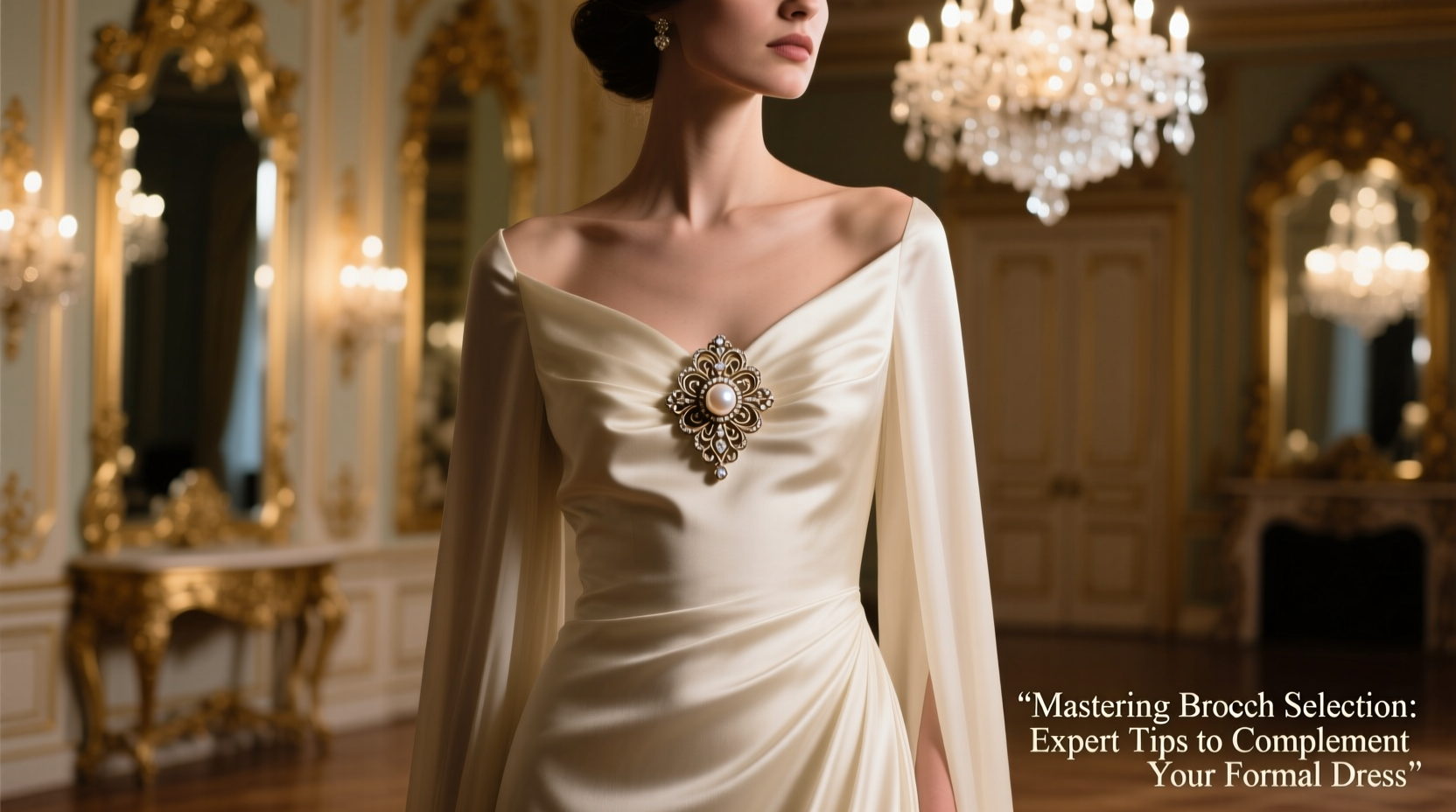
A brooch is more than mere decoration; it’s a focal point that draws the eye and communicates intention. Historically worn by royalty and dignitaries, the brooch has evolved from functional garment fastener to symbolic adornment. In modern formal dressing, it serves three primary roles: balance, accentuation, and storytelling.
Balance refers to how the brooch counterweights the visual weight of the dress. A heavily beaded gown might benefit from a minimalist brooch to avoid overwhelming the viewer. Accentuation involves highlighting a specific area—such as the shoulder, waist, or décolletage—to draw attention where desired. Storytelling allows the wearer to express heritage, sentiment, or style through vintage pieces, family heirlooms, or designer creations.
“Brooches are punctuation marks in fashion—they clarify, emphasize, and complete a sentence.” — Isabelle Moreau, Fashion Historian and Curator at the Paris Institute of Style
Matching Brooch Style to Dress Neckline and Silhouette
The neckline of your dress dictates where and how a brooch should be placed. The wrong placement can distort proportions or create visual clutter. Below is a guide to pairing brooch styles with common formal necklines:
| Neckline Type | Recommended Brooch Placement | Suitable Brooch Styles |
|---|---|---|
| V-neck | Centered at the base of the V | Teardrop, vertical pendant-style, elongated designs |
| Sweetheart or Round | Off-center on one shoulder or over the bust | Rounded pins, floral motifs, cluster designs |
| High Neck or Turtleneck | At the collarbone or just below the chin | Delicate chains with small pendants, geometric shapes |
| Off-the-Shoulder | On one shoulder or along the seam | Larger statement brooches, asymmetric designs |
| Strapless | Waist-level sash or bodice | Belt-style brooches, wide cuffs adapted as pins |
For example, placing a large circular brooch at the bottom of a deep V-neck creates an awkward visual stop, breaking the clean line of the neckline. Instead, opt for a slender vertical piece that follows the natural angle.
Harmonizing Color, Material, and Theme
A brooch must coexist harmoniously with your dress fabric, color palette, and overall theme. Consider the following factors:
- Metal Tone Matching: Gold-toned brooches pair best with warm undertones in dresses (ivory, champagne, rose gold). Silver or platinum tones suit cool hues (navy, emerald, true black).
- Stone Coordination: If your dress features sequins or embroidery in sapphire blue, echo that with a brooch containing genuine or simulated sapphires. Avoid introducing a clashing gemstone unless intentionally creating contrast.
- Texture Balance: A heavily textured brooch (e.g., oxidized silver with rough edges) may overpower a smooth satin gown. Pair intricate metals with matte fabrics like velvet or crepe.
When wearing a monochrome or solid-colored dress, a brooch offers the perfect opportunity to introduce subtle complexity. A vintage rhinestone piece adds sparkle without competing, while an enamel brooch can inject a pop of complementary color.
Mini Case Study: The Diplomatic Gala
Claire, a foreign affairs officer, attended a state gala in a floor-length, midnight-blue silk gown with a high halter neckline. She initially considered a diamond brooch but realized it would compete with her chandelier earrings. Instead, she chose a smaller, oval-shaped brooch in brushed platinum with a single moonstone at its center. Placed just above her left collarbone, it added intrigue without stealing focus. Guests later complimented her “effortless elegance,” unaware that the brooch was a deliberate anchor in her styling strategy.
Step-by-Step Guide to Selecting the Perfect Brooch
Follow this five-step process to ensure your brooch complements your formal dress flawlessly:
- Assess the Dress Design: Identify dominant lines, textures, and embellishments. Is it minimalist? Ornate? Structured or flowing?
- Determine Focal Points: Decide which area you want to highlight—neckline, waist, shoulder—and avoid overlapping with other jewelry.
- Choose Proportion Wisely: Small dresses need small-to-medium brooches (1–2 inches). Full ball gowns can carry larger, dramatic pieces (up to 3 inches).
- Test Under Event Lighting: Many stones and metals behave differently under candlelight or chandeliers. Try your brooch under warm ambient light.
- Secure It Properly: Use a locking pin back or safety chain to prevent loss. Never rely solely on a standard butterfly clutch on delicate fabrics.
Common Mistakes and How to Avoid Them
Even experienced dressers make missteps when accessorizing formally. Here are frequent errors and their solutions:
| Mistake | Why It’s Problematic | How to Fix It |
|---|---|---|
| Over-accessorizing with multiple brooches | Creates visual noise and distracts from the dress | Use one primary brooch; add subtlety with earrings or bracelet instead |
| Mismatched metal tones | Looks unintentional and cheapens the overall appearance | Stick to one dominant metal tone across all accessories |
| Poor placement due to asymmetry | Unbalances the silhouette and looks accidental | Use a mirror and take photos from multiple angles to verify symmetry |
| Ignoring comfort and safety | Sharp pins can snag fabric or injure skin | Inspect pin backs; file down sharp edges; use protective pads |
Frequently Asked Questions
Can I wear a brooch with a heavily embellished dress?
Yes, but choose a brooch that echoes existing elements rather than introduces new ones. For example, if your dress has crystal beadwork, select a brooch with matching cut and clarity. Keep it small and place it strategically where it enhances, not duplicates, the detail.
Is it appropriate to wear a vintage brooch to a formal event?
Absolutely. Vintage brooches often possess craftsmanship and uniqueness unavailable in modern pieces. Just ensure it’s in excellent condition—cleaned, polished, and with secure fastenings. A well-chosen antique piece can become a talking point and heirloom in the making.
Where should I place a brooch on a two-piece formal set?
Focus on the transition between pieces—typically at the waist or hip line. A brooch here can visually unify the ensemble. Alternatively, place it on the upper jacket lapel if the top has structured shoulders, mimicking formal tailoring cues.
Final Thoughts: Elevate Your Presence with Intentional Detail
A brooch is not merely an accessory—it’s a signature. When selected with care, it reflects thoughtfulness, personal history, and aesthetic intelligence. Whether you're attending a wedding, diplomatic reception, or awards ceremony, the right brooch completes your narrative. It tells others you understand balance, respect tradition, and appreciate the power of subtle elegance.




 浙公网安备
33010002000092号
浙公网安备
33010002000092号 浙B2-20120091-4
Comments
No comments yet. Why don't you start the discussion?