
Selecting the right chain for your cross pendant isn’t just about aesthetics—it’s about balance, proportion, and personal expression. A well-chosen chain ensures your pendant rests where it should, enhances its visibility, and complements your style. Too short, and it feels restrictive; too long, and the pendant gets lost in your clothing or fails to make an impact. With so many lengths, styles, and metals available, making the right choice can feel overwhelming. This guide cuts through the confusion with actionable advice, real-world examples, and expert insights to help you confidently select the perfect chain.
Understanding Chain Lengths and Their Effects
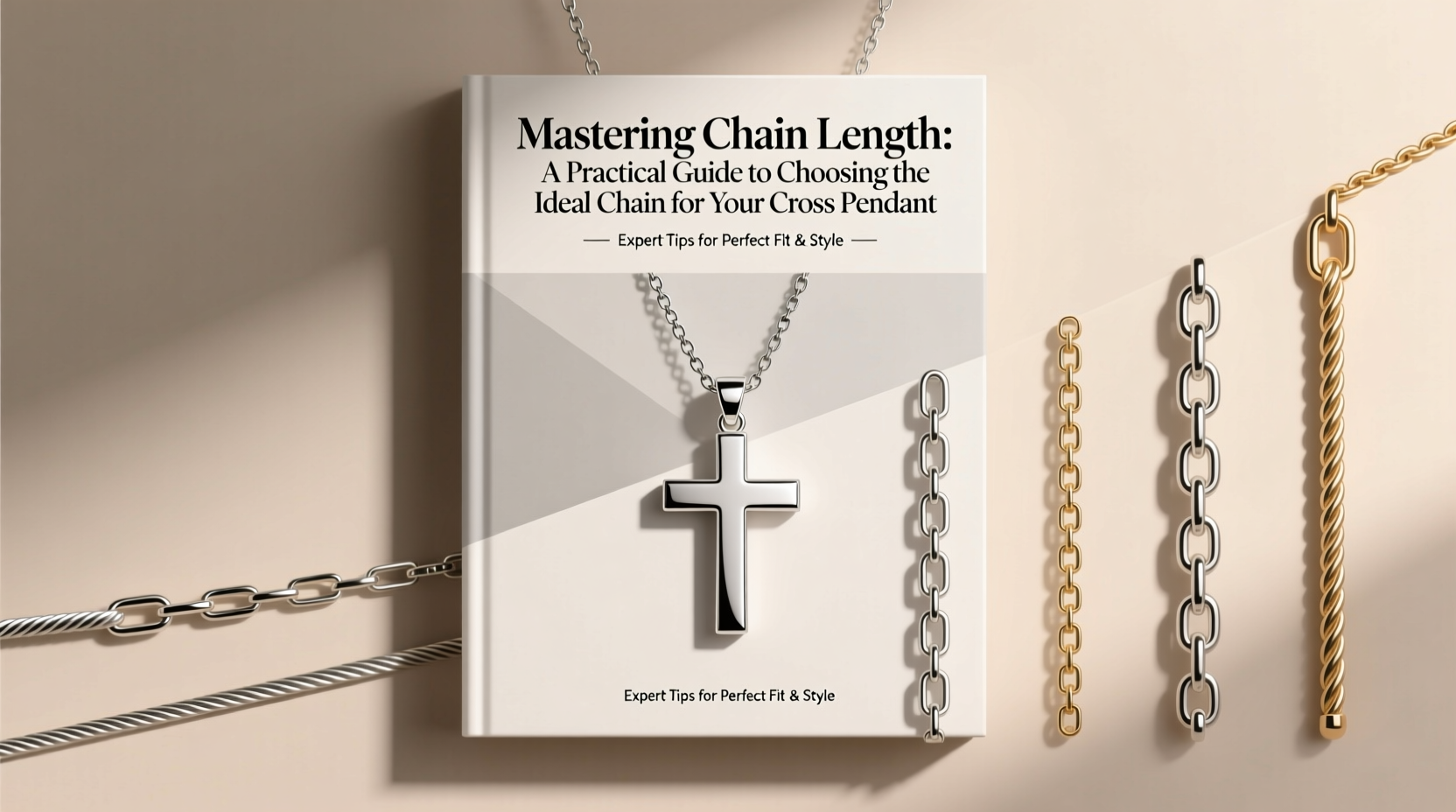
Chain length dramatically influences how a cross pendant is displayed. The same pendant on different chains can convey entirely different messages—modesty, boldness, tradition, or modernity. Common chain lengths range from 16 to 30 inches, each serving a distinct purpose:
- 16–18 inches (Choker to Princess): Ideal for everyday wear. These lengths sit neatly at the base of the neck or collarbone, drawing attention to the face and making the cross visible without overpowering the outfit.
- 20–22 inches (Matinee): A versatile choice that works well with both casual and formal attire. Perfect for layering or wearing over shirts and sweaters.
- 24 inches and above (Opera and Rope): Best for dramatic effect or religious ceremonies. Longer chains allow the cross to rest on the chest or even lower, creating a statement look.
The wearer’s height, neck size, and typical clothing style all play a role. For example, someone with a longer neck may carry off a 20-inch chain beautifully, while a shorter individual might find the same length too low.
Choosing the Right Chain Style for Your Pendant
Length isn’t the only factor—chain style affects durability, comfort, and visual harmony. Some popular options include:
| Chain Type | Best For | Considerations |
|---|---|---|
| Silver Box Chain | Medium to large pendants | Durable and smooth; resists kinking |
| Rope Chain | Statement crosses | Ornate but heavier; best for 20+ inch lengths |
| Cable Chain | Lightweight, delicate crosses | Classic but prone to tangling |
| Figaro Chain | Traditional or masculine styles | Bolder links; pairs well with crucifixes |
| Snake Chain | Modern, sleek designs | Smooth texture; doesn’t drape as fluidly |
A heavy pendant requires a sturdy chain. A thin cable chain might break under the weight of a large cross, while a thick rope chain could overwhelm a small, delicate design. Match the chain’s thickness (measured in millimeters) to the pendant’s size—generally, 1.5mm to 2.5mm for average pendants, wider for larger ones.
“The chain is the foundation of the pendant’s presentation. A mismatched chain can diminish even the most meaningful piece.” — Daniel Reyes, Jewelry Designer & Goldsmith
Step-by-Step Guide to Finding Your Ideal Chain
Follow this process to ensure your cross pendant is displayed exactly how you want it:
- Determine the Purpose: Is it for daily wear, prayer, fashion, or special occasions? Daily wear favors 18–22 inches; ceremonial use may call for 24+ inches.
- Measure Your Neck: Use a soft tape measure. Note your neck circumference and where you’d like the pendant to rest.
- Test with String: Cut a string to potential lengths and drape it around your neck. Observe where it falls over different outfits.
- Consider Layering: If you plan to layer chains, choose complementary lengths (e.g., 18\", 20\", 24\") to avoid tangling and create depth.
- Match Metal to Skin Tone: Warm skin tones suit gold or rose gold; cool tones pair better with silver or white gold. Mixed metals are acceptable today but maintain consistency within one necklace set.
- Check Clasp Security: Lobster clasps are more secure than spring rings, especially for heavier pendants.
- Verify Chain Weight: Ask for the chain’s weight in grams. Heavier chains are more durable but may feel cumbersome over time.
Real-Life Example: Choosing for Different Lifestyles
Maria, a teacher and devout Catholic, wanted a cross pendant that reflected her faith without being distracting at school. She chose a modest 1.2-inch sterling silver cross on an 18-inch box chain. The length sits just below her collarbone, keeping the pendant visible but not prominent during class. The box chain is strong enough to withstand daily wear and resists snagging on clothing.
In contrast, James, who wears his cross during public speaking events and church services, opted for a 2.5-inch crucifix on a 24-inch Figaro chain in yellow gold. The longer length allows the cross to rest centrally on his chest, making it part of his personal branding. The bold chain adds gravitas and catches the light under stage lighting.
These examples show that the “ideal” chain isn’t universal—it’s deeply personal and context-dependent.
Common Mistakes to Avoid
- Ignoring Proportion: A tiny pendant on a thick, long chain looks unbalanced. Ensure visual harmony between chain and pendant size.
- Overlooking Comfort: Long chains can twist or pull hair. Test wearability before committing.
- Skipping Sizing Charts: Always refer to a brand’s size guide. “Standard” varies between manufacturers.
- Using Weak Chains: Delicate chains may break if worn constantly. Invest in quality craftsmanship.
- Forgetting Maintenance: Longer chains require more frequent cleaning and inspection for weak links.
FAQ: Quick Answers to Common Questions
How do I know if a chain is too long or too short?
A chain is too short if it pulls uncomfortably or restricts movement. It’s too long if the pendant disappears under clothing or swings excessively. Ideally, the pendant should rest where you want it to be seen—usually between the collarbones and upper sternum.
Can I adjust the length of my chain later?
Yes, most jewelers can shorten a chain by removing links or adding an extender. However, lengthening a chain may require purchasing additional links or a new chain altogether, depending on style.
Is a longer chain less secure for a valuable pendant?
Not necessarily, but longer chains are more exposed to snags and tugs. Pair valuable pendants with secure clasps and consider insurance. Regularly inspect the chain for wear, especially near the clasp.
Final Checklist Before You Buy
- Pendant Size & Weight:
- Match chain thickness and strength accordingly.
- Intended Use:
- Daily, ceremonial, or fashion-focused?
- Neck Measurement:
- Know your neck size and preferred drop length.
- Style Compatibility:
- Does the chain complement the cross design?
- Clasp Type:
- Prefer lobster, toggle, or spring ring?
- Budget & Quality:
- Look for hallmarks (e.g., “925” for silver, “14K” for gold).
- Return Policy:
- Ensure you can exchange if the fit isn’t right.
Conclusion: Wear Your Faith with Confidence
Choosing the right chain for your cross pendant is more than a jewelry decision—it’s an act of personal significance. Whether worn as a symbol of faith, heritage, or identity, the way your pendant rests speaks volumes. By understanding chain lengths, styles, and proportions, you ensure your piece is seen, respected, and protected. Don’t settle for guesswork. Measure, test, and trust your instincts. When you get it right, the chain doesn’t just hold the cross—it completes it.




 浙公网安备
33010002000092号
浙公网安备
33010002000092号 浙B2-20120091-4
Comments
No comments yet. Why don't you start the discussion?