
Designer necklaces are more than just accessories—they’re statements of taste, confidence, and intention. Whether it’s a minimalist pendant or an opulent choker dripping in diamonds, the right necklace can transform an ordinary outfit into something unforgettable. But knowing how to wear them—when, where, and with what—separates those who accessorize from those who truly style.
The key lies not in owning the most expensive piece, but in understanding proportion, context, and coordination. From boardroom meetings to black-tie galas, a well-chosen necklace should enhance your presence without overpowering it. With thoughtful selection and placement, you can elevate any ensemble while staying true to your personal aesthetic.
Understand Necklace Lengths and Their Impact
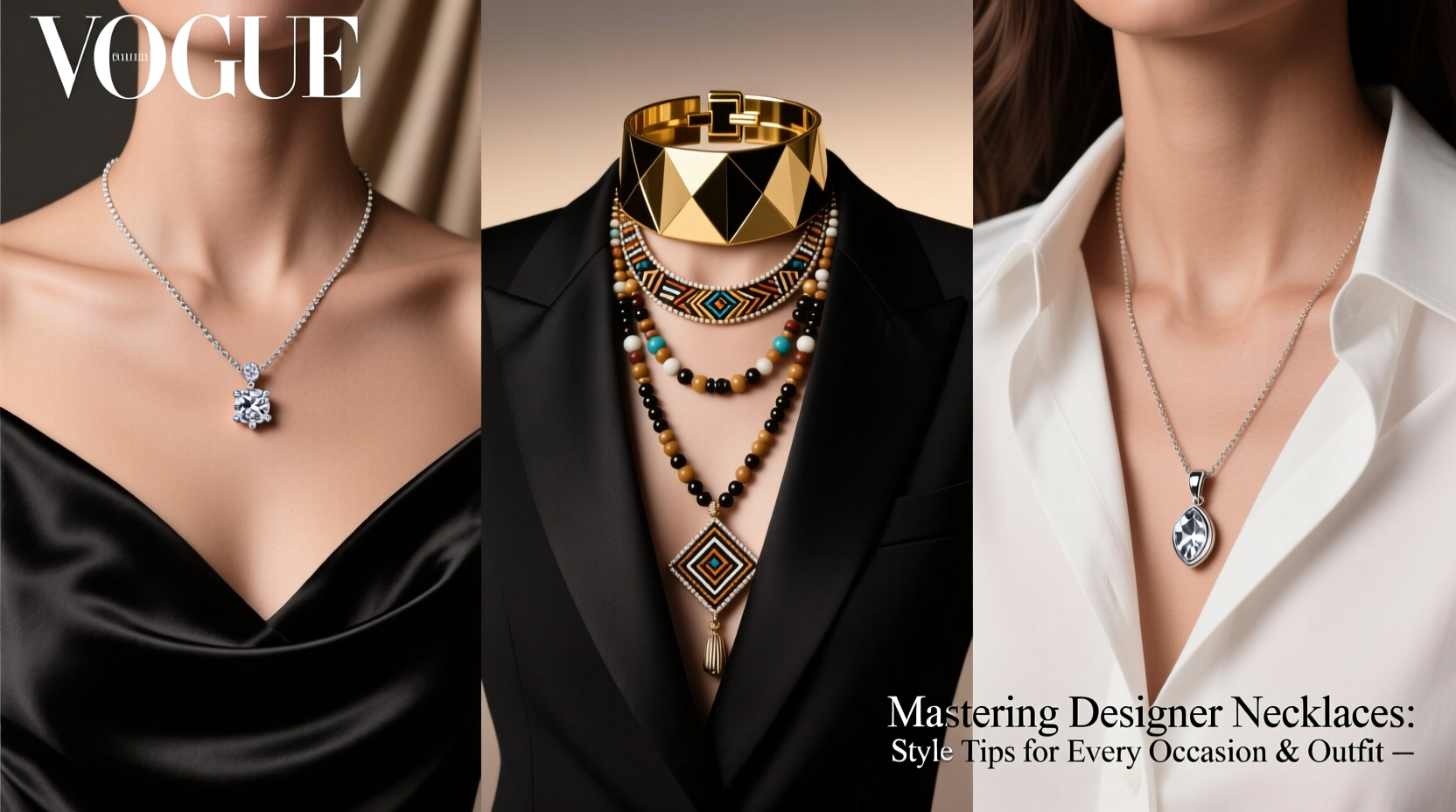
Necklace length is one of the most overlooked yet critical factors in styling. The same pendant can appear delicate or dramatic depending on how long the chain is. Knowing standard lengths helps you make intentional choices based on neckline, body type, and occasion.
| Length (inches) | Name | Ideal For | Avoid With |
|---|---|---|---|
| 14–16 | Choker | Scoop necks, off-the-shoulder tops | Turtlenecks, high collars |
| 18 | Princess | V-necks, crewnecks, blouses | Dense patterns or busy necklines |
| 20–24 | Matinee | Suit jackets, button-down shirts, sheath dresses | Chunky sweaters or layered scarves |
| 28+ | Opera & Rope | Cocktail gowns, evening wear, open-front coats | Narrow lapels or tight-fitting tops |
A 16-inch choker frames the collarbones beautifully with strapless dresses, while a 24-inch matinee length slips neatly under a blazer for professional polish. Longer pieces work best when they have room to breathe—pair them with simpler silhouettes so the jewelry remains the focal point.
Match Metals to Your Skin Tone and Wardrobe Palette
Metal choice isn’t just about preference—it affects how radiant your complexion appears and how cohesive your overall look feels. Warm undertones (yellow, peachy, golden) typically harmonize with yellow or rose gold, which amplify warmth. Cool undertones (pink, blue, olive) shine against white gold, platinum, or silver.
That said, modern wardrobes often blend metals seamlessly. A rose gold watch with a platinum ring? Perfectly acceptable today. Still, if you're aiming for elegance over eclecticism, consistency matters. Stick to one dominant metal per outfit unless intentionally going for contrast.
“Metal harmony starts with the skin. If a piece makes your face look dull, it’s likely clashing with your natural tone.” — Lila Monroe, Celebrity Stylist & Jewelry Consultant
Consider your clothing colors too. Silver complements cool tones like navy, gray, and emerald. Gold enhances earthy hues—camel, rust, olive green—and pops against black or ivory. Neutral fabrics allow bolder metals to stand out, while metallic-threaded garments call for subtler jewelry to avoid sensory overload.
Style by Occasion: What to Wear and When
Not all events demand the same level of adornment. Over-accessorizing a casual brunch can feel costumey; under-dressing for a gala may seem lackluster. Here’s how to strike balance across common scenarios.
Professional Settings
In corporate environments, less is more. Opt for a single elegant pendant or a thin chain with a small charm. Avoid jangling charms or oversized pendants that draw attention away from your words. Pearls, minimalist lockets, or geometric studs on a delicate chain convey refinement without distraction.
Casual Day Outings
This is where personality shines. Layer dainty chains of varying lengths, mix metals playfully, or wear a statement pendant over a simple tee and jeans. Think initials, zodiac symbols, or meaningful talismans. Just ensure movement doesn’t cause noise or snagging.
Evening Events
Go bold. A plunging neckline calls for a dramatic pendant or a multi-strand design. Pair a silk gown with a vintage-inspired diamond choker or a cascading lariat. Let the necklace lead the story—keep earrings minimal and hair styled to showcase it.
Weddings & Formal Gatherings
If you’re a guest, avoid white diamonds if the bride is wearing them exclusively. Colored gemstones—sapphires, emeralds, rubies—add sophistication without stepping on tradition. Chokers or opera-length strands work beautifully with formal gowns.
Build a Capsule Necklace Collection
Instead of accumulating random pieces, curate a functional set that covers all bases. A well-rounded capsule includes five core types:
- The Everyday Chain: A 16–18 inch delicate link or cable chain, ideal for daily wear.
- The Statement Pendant: One bold piece—perhaps with a gemstone or intricate design—for special moments.
- The Layering Set: Two to three fine chains of different lengths that can be worn together.
- The Professional Minimalist: A sleek bar necklace or solitaire diamond for office settings.
- The Event Showstopper: A choker or bib-style piece reserved for galas, weddings, or photo-worthy nights.
This approach ensures versatility without clutter. Rotate based on mood and meeting, but always return to these anchors. Quality trumps quantity—invest in timeless materials like 14k gold or sterling silver with tarnish-resistant plating.
Mini Case Study: Elevating a Work-to-Dinner Look
Sophia attends a client presentation during the day, then transitions to a dinner celebration. She wears a tailored charcoal blazer over a cream shell top. For work, she chooses a 17-inch white gold bar necklace—clean, subtle, authoritative. After the meeting, she swaps it for a longer, 22-inch rose gold chain with a teardrop amethyst. She removes her blazer, letting the deeper V-neckline shine. The richer metal and colored stone instantly shift the energy from professional to celebratory—all without changing her entire outfit.
Frequently Asked Questions
Can I wear multiple necklaces every day?
Yes, but moderation is key. Start with two or three complementary pieces—varying lengths prevent tangling, and similar styles maintain cohesion. Avoid layering chunky items unless your neckline is uncluttered and the rest of your look is simple.
How do I prevent my necklace from tarnishing?
Store each piece separately in anti-tarnish pouches or cloth-lined boxes. Remove before swimming, showering, or applying perfume. Clean gently with a soft polishing cloth after wear. For silver, use a mild solution of warm water and non-abrasive soap monthly.
Is it okay to mix pearls with modern metals?
Absolutely. Modern styling embraces contrasts. Try pairing a short strand of pearls with a sleek silver pendant for a fresh twist. The juxtaposition of classic and contemporary adds dimension and tells a more nuanced style story.
Final Thoughts: Make It Meaningful
Styling designer necklaces isn’t about following rules rigidly—it’s about understanding principles so you can break them with confidence. The most memorable looks come from intentionality. Choose pieces that reflect your journey, suit your lifestyle, and resonate emotionally. A necklace worn with authenticity will always outshine one worn simply because it’s trendy.
Start by auditing your current collection. Which pieces do you reach for again and again? Which ones gather dust? Use that insight to refine your choices moving forward. Build gradually. Prioritize craftsmanship. And never underestimate the power of a single, perfectly chosen chain to say everything without saying a word.




 浙公网安备
33010002000092号
浙公网安备
33010002000092号 浙B2-20120091-4
Comments
No comments yet. Why don't you start the discussion?