
Packing a designer travel backpack efficiently is more than just fitting clothes into limited space—it’s about optimizing function, protecting your gear, and enhancing mobility. Whether you're navigating airport terminals or hiking mountain trails, how you pack determines the quality of your journey. A well-packed bag reduces strain, prevents damage to belongings, and streamlines access. With premium materials and thoughtful design, today’s designer backpacks offer exceptional versatility—but only when used wisely. This guide delivers actionable strategies backed by industry professionals to help you master the art of intelligent packing.
Understand Your Backpack’s Design and Features
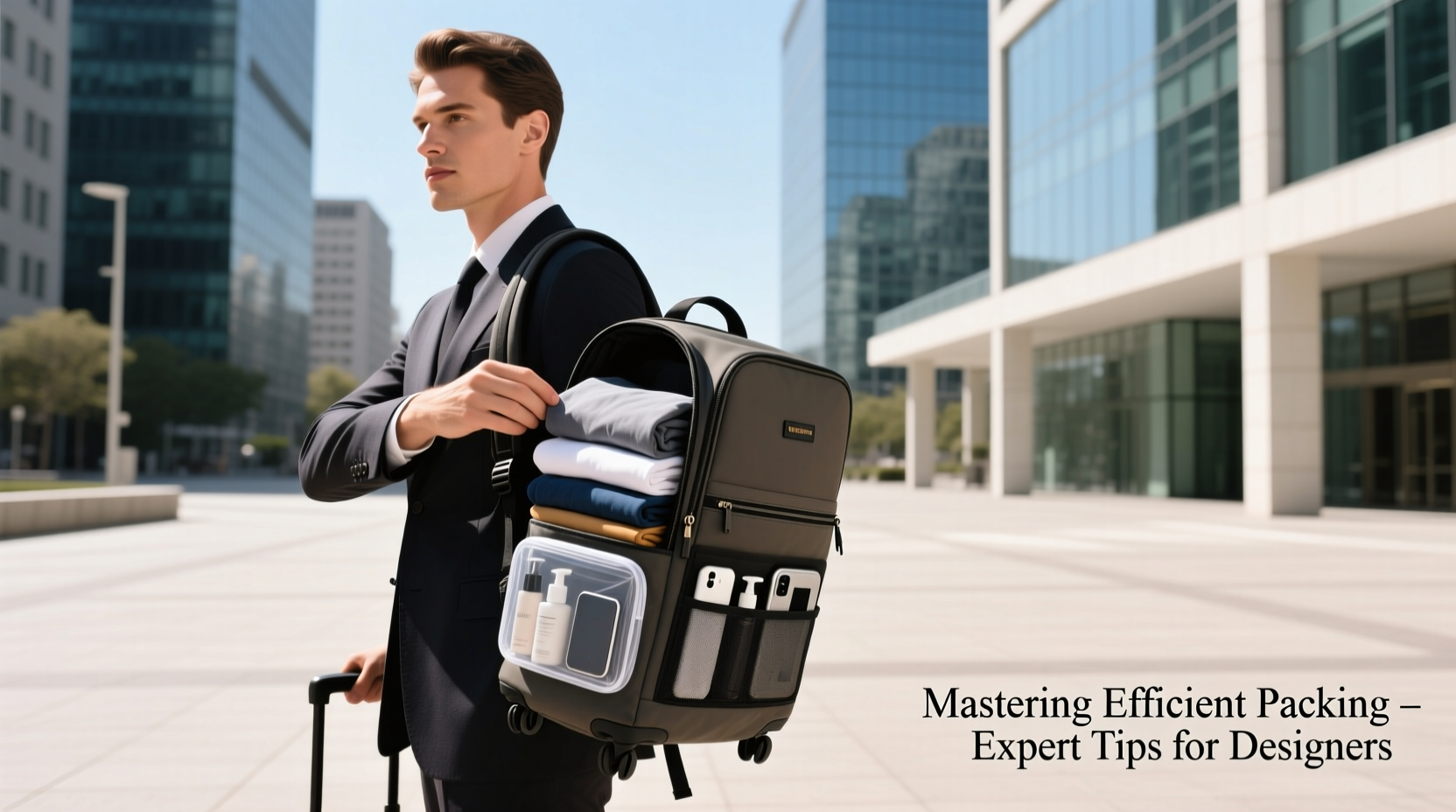
Designer travel backpacks are engineered for both aesthetics and performance. Before packing, take time to study your bag’s architecture: compartments, zippers, padding, compression straps, and external attachment points. High-end models often include dedicated laptop sleeves, RFID-safe pockets, ventilated back panels, and modular add-ons. Recognizing these features allows you to assign items strategically rather than stuffing them randomly.
For example, anti-theft zipper pulls should be used on high-value items like passports and electronics. The main compartment is ideal for clothing rolled tightly, while quick-access side pockets work best for water bottles, umbrellas, or transit cards. Ignoring layout leads to overpacking, imbalance, and unnecessary wear.
The Roll-and-Stack Method: Maximizing Space Without Wrinkles
One of the most effective space-saving techniques is the roll-and-stack method. Unlike folding, which creates bulky air gaps and sharp creases, rolling compresses garments tightly and minimizes wrinkles in wrinkle-resistant fabrics. Begin by laying clothes flat, smoothing out folds, then rolling from one end to the other like a sleeping bag.
Cotton t-shirts, denim, and knits respond especially well to rolling. Delicate fabrics such as silk can be rolled with tissue paper inside to prevent creasing. Once rolled, stack items vertically in the main chamber—this creates a “file drawer” effect, allowing you to see and extract pieces without unpacking everything.
“Rolling not only saves space but also distributes weight evenly, which is critical for long-term comfort during carry.” — Daniel Reyes, Travel Ergonomics Consultant
Packing Cube System: Organize Like a Pro
Investing in a set of packing cubes transforms chaotic interiors into structured zones. Use different colors or labels to designate categories: one cube for underwear and socks, another for shirts, a third for electronics accessories. Compression cubes go further by squeezing out excess air, increasing capacity by up to 30%.
Even with a sleek designer backpack, internal organization prevents shifting during movement. When you arrive at your destination, simply remove the relevant cube instead of rummaging through layers of fabric. This system also simplifies laundry separation and re-packing before departure.
| Item Type | Recommended Cube | Placement |
|---|---|---|
| Underwear & Socks | Small mesh cube | Top inner pocket |
| Tops & Shirts | Middle compression cube | Main compartment center |
| Toiletries | Water-resistant cube | Side or bottom compartment |
| Electronics & Cables | Soft-lined organizer | Dedicated tech sleeve |
Step-by-Step Guide: Packing Your Designer Backpack in 7 Minutes
Efficiency isn’t just about what you pack—it’s about how quickly and consistently you do it. Follow this streamlined routine to eliminate last-minute stress:
- Clear your workspace (1 min): Lay out your backpack and all intended items on a clean surface.
- Sort by category (2 min): Group clothing, toiletries, electronics, documents, and accessories separately.
- Roll garments (2 min): Roll each clothing item tightly; stack in designated cubes.
- Load heavy items first (1 min): Place laptop, power bank, and toiletry kit near the back panel.
- Add medium-weight layers (30 sec): Insert sweater, jacket, or rolled pants above the base layer.
- Fill gaps with soft items (30 sec): Use socks or scarves to fill empty corners and stabilize contents.
- Secure top and external zones (1 min): Store passport, phone, and medication in easy-reach pockets; zip all compartments.
Real-World Example: How a Digital Nomad Optimized Her Weekender Trip
Sophie, a freelance photographer based in Lisbon, frequently travels between cities with only her matte-black designer backpack. On a recent four-day shoot in Porto, she applied the roll-and-stack method combined with color-coded cubes. She packed two pairs of shoes (slid into a breathable shoe sack), three tops, one lightweight jacket, a collapsible tote for shopping, and camera gear in a padded insert.
By placing her mirrorless camera in an interior fleece-lined pocket and wrapping cables around a small spool, she avoided tangling. Throughout the trip, she accessed her metro card and lip balm within seconds using the front magnetic flap. At no point did the bag feel lopsided or overstuffed. “I walked over 12 kilometers one day,” she said, “and my shoulders didn’t ache once. Smart packing made all the difference.”
Avoid These Common Packing Mistakes
- Overloading the outer pockets: Excess weight in side pouches destabilizes balance and strains stitching.
- Packing liquids without sealing: Even leak-proof bottles should be placed in silicone zip bags to prevent spills.
- Ignoring weather forecasts: Carrying a rain cover adds minimal weight but protects against sudden downpours.
- Using the backpack as a suitcase: Never drop it on rough surfaces—designer materials scratch easily.
- Leaving compartments empty: Unfilled spaces allow items to shift, creating discomfort and potential damage.
Essential Packing Checklist
Use this checklist to ensure nothing important is missed while avoiding clutter:
- Passport, ID, boarding passes (in RFID-safe sleeve)
- Phone, charger, universal adapter
- Compact toiletry kit (TSA-compliant containers)
- Medications and first-aid basics
- Two changes of clothes (including undergarments)
- Lightweight jacket or shawl
- Reusable water bottle (empty before security)
- Folding tote for souvenirs
- Eye mask and noise-canceling earbuds (for flights)
- Travel insurance details (digital and printed copy)
“The best travelers aren’t those who bring the most—they’re the ones who bring exactly what they need, perfectly arranged.” — Lena Zhou, Minimalist Travel Author
Frequently Asked Questions
Can I pack shoes directly into my designer backpack?
Yes, but only if they’re clean and placed in a separate shoe bag or sealed plastic pouch. Avoid direct contact with delicate linings to prevent scuffing and odor transfer.
How do I prevent my clothes from wrinkling in a backpack?
Roll wrinkle-resistant fabrics and use tissue paper between delicate layers. Pack dress shirts on top of softer items and avoid over-compressing. Consider wearing your bulkiest outfit during transit.
Is it safe to carry expensive electronics in a visible designer backpack?
Use discretion. Keep devices in shielded compartments and avoid displaying logos openly in crowded areas. Enable tracking on all gadgets and carry backups digitally.
Final Thoughts: Elevate Your Travel Experience Through Intentional Packing
A designer travel backpack represents an investment in both style and utility. To honor that value, treat packing as a deliberate act of preparation—not a rushed chore. By understanding your bag’s capabilities, organizing with precision, and learning from real-world applications, you gain freedom, confidence, and physical ease on every journey.




 浙公网安备
33010002000092号
浙公网安备
33010002000092号 浙B2-20120091-4
Comments
No comments yet. Why don't you start the discussion?