
Navigating turns efficiently is a fundamental skill that impacts safety, control, and confidence across multiple modes of movement—be it driving a car, riding a bicycle, operating machinery, or even walking through crowded spaces. Poorly executed turns lead to instability, increased stopping distances, and higher accident risks. Mastering the mechanics of turning isn’t just about changing direction; it’s about doing so with precision, awareness, and minimal energy loss. This guide breaks down the science and practice of efficient turning into actionable steps anyone can apply immediately.
The Physics Behind Efficient Turns
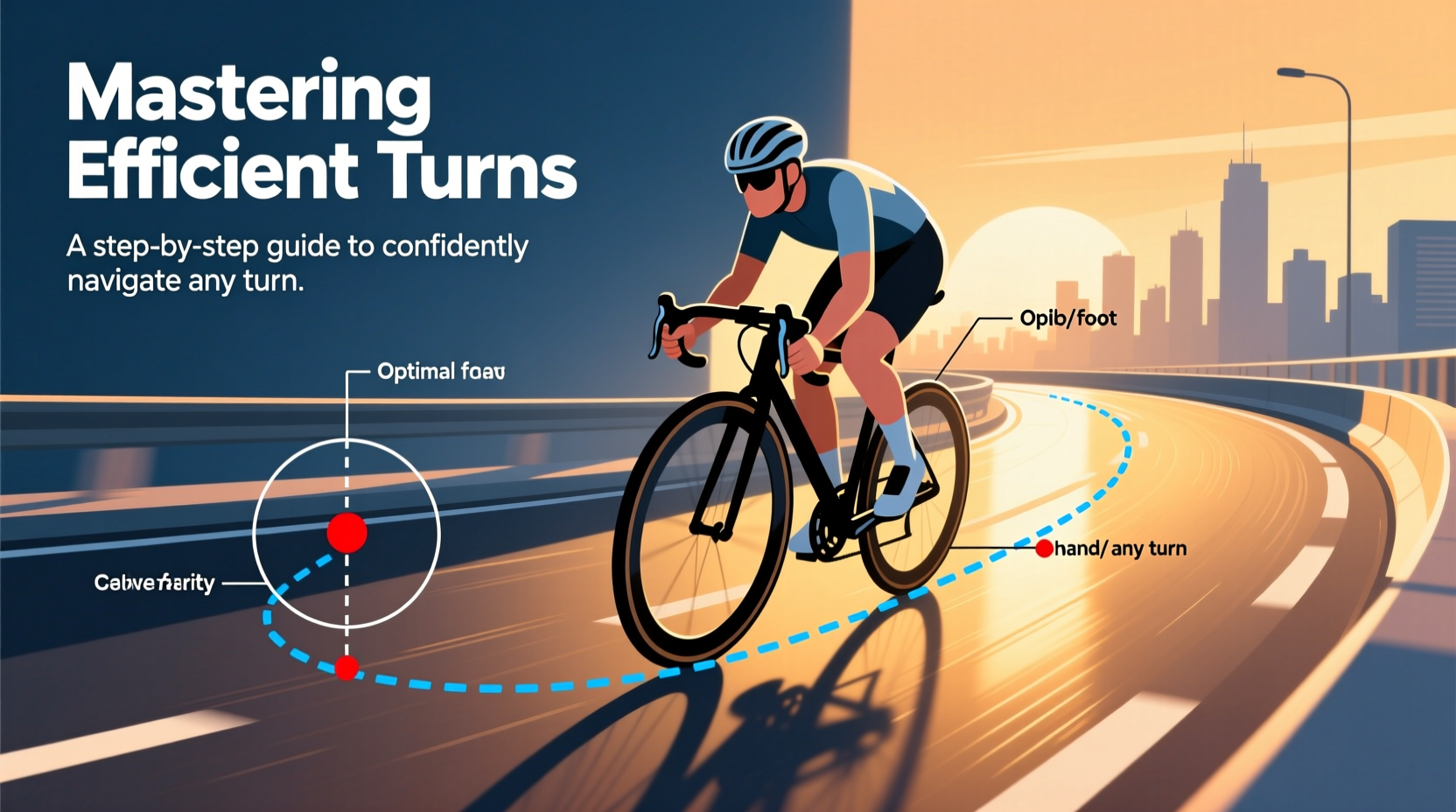
Every turn involves a shift in momentum, balance, and trajectory. The sharper the turn, the greater the lateral forces acting on the body or vehicle. Understanding these forces helps prevent oversteering, skidding, or tipping. Centripetal force pulls toward the center of the curve, while inertia resists the change in direction. To maintain control, you must manage speed, alignment, and grip (or traction) appropriately.
For vehicles, weight transfer plays a critical role. As you enter a turn, weight shifts outward, reducing traction on the inside wheels. Smooth inputs minimize abrupt shifts, preserving stability. On two-wheelers or when walking, body lean and counterbalancing become essential to maintaining equilibrium.
“Efficiency in turning comes not from speed, but from timing, positioning, and anticipation.” — Dr. Lena Torres, Human Kinetics Researcher
Step-by-Step Guide to Executing Any Turn
Whether you're behind the wheel or navigating a crowded sidewalk, the following six-phase approach ensures consistent, safe, and smooth turns:
- Scan Ahead: Begin assessing the turn at least 100 feet (30 meters) in advance. Look for signage, obstacles, pedestrians, and road conditions.
- Position Early: Adjust your lane position based on the type of turn. For right turns, stay close to the curb; for left turns, align near the center line (without crossing it).
- Reduce Speed Gradually: Apply brakes before entering the turn, never during. Sudden braking mid-turn disrupts weight distribution and increases skid risk.
- Apex at the Right Point: Aim for the geometric apex—the midpoint of the curve—to maximize visibility and reduce steering angle. In sharp turns, delay the apex slightly for better control.
- Smooth Steering Input: Use both hands (or proper body motion) to guide the turn evenly. Jerky movements cause overcorrection.
- Accelerate Out Smoothly: Once past the apex and aligned with the new path, gently resume speed to stabilize the vehicle or regain momentum.
Common Turning Mistakes and How to Avoid Them
Even experienced operators make errors under pressure or distraction. Recognizing these common pitfalls can dramatically improve performance:
- Cutting Corners: Taking wide entry and cutting the inside of a left turn may save time but endangers oncoming traffic.
- Braking Mid-Turn: Reduces front-wheel traction and can induce understeer or fishtailing.
- Oversteering: Excessive wheel rotation leads to oscillation and loss of directional control.
- Poor Lane Discipline: Failing to maintain proper lane position confuses other road users and increases collision risk.
- Ignoring Blind Spots: Especially crucial in large vehicles or bicycles—always check mirrors and shoulder-check before turning.
Turning Efficiency by Mode of Transport
Different modes require tailored techniques. Below is a comparison of best practices across common scenarios:
| Mode | Key Technique | Do’s | Don’ts |
|---|---|---|---|
| Car | Progressive steering & trail braking | Signal early, use mirrors, maintain steady speed through curve | Don't brake sharply mid-turn or ride the clutch |
| Bicycle | Counter-leaning and weight shifting | Look through the turn, shift body inward, pedal at apex | Avoid sudden handlebar jerks or front-wheel locking |
| Forklift | Slow approach, wide arc | Sound horn, check rear clearance, keep load low | Never turn on inclines or with elevated loads |
| Pedestrian (crowded areas) | Shoulder check & controlled pivot | Pause briefly, make eye contact, turn smoothly | Don't rush or assume others see you |
Real-World Example: Urban Delivery Driver Improvement
Carlos, a courier in downtown Chicago, averaged three near-misses per month due to rushed right turns. After training focused on scanning intersections earlier and adopting a “slow-in, smooth-through, accelerate-out” method, his incident rate dropped to zero over four months. He now positions his van closer to the curb before turning, checks blind spots twice, and waits an extra second if visibility is blocked by parked cars. His delivery times remained consistent, but safety and confidence improved significantly.
“In high-density traffic, a well-executed turn isn’t just safer—it’s faster in the long run because you avoid stops, corrections, and delays.” — Carlos Rivera, Urban Logistics Operator
Checklist: Pre-Turn Safety & Efficiency Routine
Use this checklist every time you prepare to make a turn, especially in unfamiliar or complex environments:
- ✅ Check mirrors and blind spots
- ✅ Activate turn signal at least 3 seconds in advance
- ✅ Reduce speed before reaching the turn point
- ✅ Confirm right-of-way (especially at uncontrolled intersections)
- ✅ Position vehicle or body correctly for the turn radius
- ✅ Keep eyes focused on the exit path, not the curb
- ✅ Maintain smooth steering or body motion throughout
- ✅ Resume normal speed only after fully completing the turn
Frequently Asked Questions
Why should I slow down before a turn instead of during?
Braking during a turn shifts weight forward, reducing grip on rear tires and increasing the chance of skidding or losing control. By slowing down beforehand, you maintain balanced weight distribution and predictable handling through the curve.
What is the \"apex\" of a turn, and why does it matter?
The apex is the point where your path comes closest to the inside edge of the turn. Hitting the correct apex allows for a smoother, straighter trajectory through the curve, improving visibility and reducing steering effort. In defensive driving, a late apex is often preferred for better sightlines and escape routes.
Can these principles apply to non-vehicle situations like sports or warehouse work?
Absolutely. Athletes rounding bases, warehouse staff maneuvering pallet jacks, or even hospital workers guiding gurneys all benefit from controlled weight transfer, proper line selection, and situational awareness. The core mechanics of efficient turning are universal.
Conclusion: Turn With Confidence, Not Just Speed
Mastering efficient turns isn’t about rushing through curves or showing off agility—it’s about cultivating awareness, discipline, and precision. Whether you’re commuting, working, or simply moving through daily life, each turn is an opportunity to practice control and foresight. The habits formed here don’t just prevent accidents; they build lasting confidence in your ability to navigate complexity with ease.




 浙公网安备
33010002000092号
浙公网安备
33010002000092号 浙B2-20120091-4
Comments
No comments yet. Why don't you start the discussion?