
Fall is a season of transformation—not just in nature, but in personal style. As temperatures dip and layers emerge, accessories like backpacks shift from utilitarian staples to essential fashion statements. The right backpack can anchor an outfit, elevate your aesthetic, and express individuality. But one often overlooked detail determines its impact: color coordination. Matching your backpack to your wardrobe isn’t about perfect tonal duplication—it’s about harmony, contrast, and intentionality. With the right approach, your backpack becomes more than storage; it becomes a curated extension of your seasonal style.
Understanding Fall Color Palettes
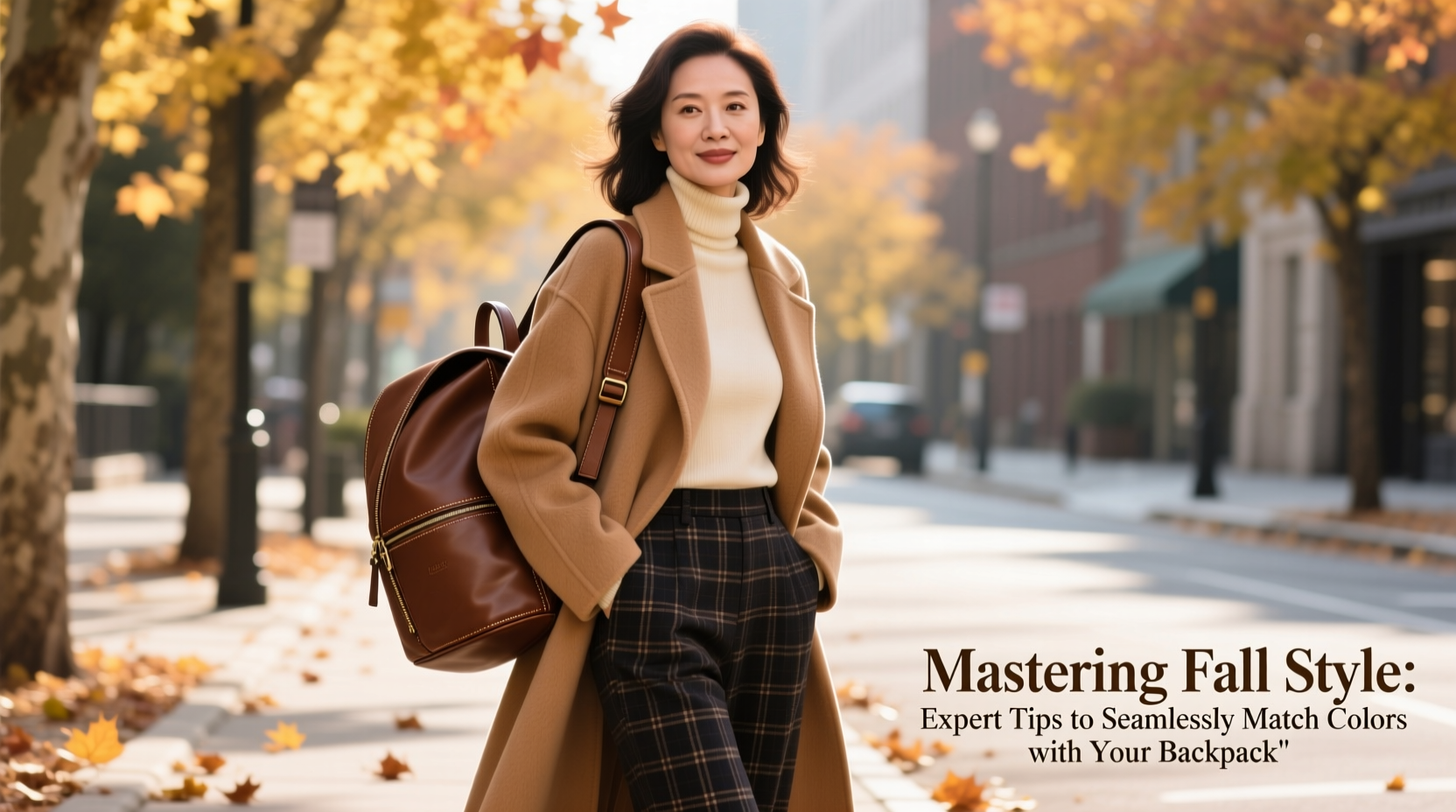
The autumn season brings a rich, earthy spectrum defined by natural transitions—burnt oranges, deep burgundies, olive greens, warm taupes, and chocolate browns. These hues reflect fallen leaves, overcast skies, and cozy textures. To match your backpack effectively, begin by understanding these dominant tones and how they interact.
Neutral shades like camel, charcoal, and dark navy serve as foundational anchors. They pair effortlessly with bolder pieces and allow flexibility across multiple outfits. Earth tones, meanwhile, add warmth and depth, making them ideal for creating layered, textured looks. Jewel tones such as forest green or plum offer a modern twist when balanced against muted sweaters or denim.
The Psychology of Color Pairing
Color doesn’t just affect aesthetics—it influences perception. A well-matched backpack subtly signals attention to detail, confidence, and cohesion. According to Dr. Lena Torres, a color psychologist specializing in fashion behavior, “People subconsciously associate coordinated accessories with intentionality and self-awareness. It’s not about perfection, but about visual rhythm.”
“Harmony in color builds trust—in yourself and from others. When your backpack complements rather than clashes, it completes the narrative of your outfit.” — Dr. Lena Torres, Color Psychology Consultant
This means avoiding jarring contrasts unless intentional. For example, a bright neon yellow backpack may disrupt a muted oatmeal sweater and corduroy pants combo, whereas a cognac leather backpack would enhance it. Strategic color pairing balances dominance: let either your outfit or your backpack lead, while the other supports.
Step-by-Step Guide to Matching Your Backpack
Follow this five-step process to ensure your backpack integrates seamlessly into your fall ensembles:
- Assess your core wardrobe. Identify the three most-worn colors in your fall rotation. Are they mostly neutrals? Earth tones? Dark denim and black?
- Select a complementary backpack shade. Use the 60-30-10 rule: 60% dominant color (clothing), 30% secondary (layers/accessories), 10% accent (bag). Your backpack typically falls into the 30% or 10% category.
- Test in natural light. Artificial lighting distorts color. Hold your backpack next to your jacket or coat near a window to see true compatibility.
- Layer for texture and tone. A matte olive backpack pairs beautifully with a wool-blend trench, while a glossy black vegan leather version suits sleek urban looks.
- Adjust seasonally. Rotate backpacks as your wardrobe evolves—from early fall rusts to late fall charcoals—to maintain relevance.
Do’s and Don’ts of Backpack Color Coordination
| Do | Don't |
|---|---|
| Match your backpack to your shoes or outerwear for continuity | Pair two equally bold-colored items (e.g., red backpack + red scarf) |
| Use metallic accents (gunmetal, bronze) to bridge color gaps | Ignore undertones—warm browns clash with cool grays |
| Opt for textured materials like suede to add depth without overwhelming | Choose white or cream backpacks unless you're committed to frequent cleaning |
| Carry a versatile neutral for workdays, then switch to a statement hue for weekends | Let branding logos dominate the visual field in clashing colors |
Real-World Example: Olivia’s Transitional Wardrobe
Olivia, a graphic designer in Portland, struggled with her new moss-green backpack clashing with her go-to charcoal coat and gray knits. Initially, she assumed the issue was the backpack itself. After consulting a stylist, she realized the problem wasn’t the color—but the lack of supporting tones.
She introduced a rust-colored beanie and swapped her steel-gray scarf for one in heather brown. Suddenly, the green backpack didn’t compete—it connected. By adding just two transitional elements, she created a cohesive loop between coat, accessories, and bag. Her colleagues began complimenting her “effortless” style, unaware it was rooted in deliberate color layering.
Material Matters: How Texture Influences Color Perception
A backpack’s material dramatically affects how its color reads. Suede absorbs light, softening vibrant hues into subtle richness. Glossy nylon reflects surroundings, potentially shifting perceived color outdoors. Leather develops a patina over time, evolving from deep espresso to warm amber with exposure.
When matching colors, consider longevity. A matte black canvas backpack will stay consistent, while a waxed cotton version may darken slightly after rain. Avoid shiny finishes if your wardrobe leans minimalist—they can appear incongruous with matte fabrics like wool or flannel.
Seasonal Backpack Checklist
- ✅ Evaluate your top 5 fall outfits and identify missing color links
- ✅ Choose 1–2 backpacks that align with your dominant palette
- ✅ Test each backpack with different layers (scarves, jackets, boots)
- ✅ Clean and condition leather or fabric before seasonal use
- ✅ Store off-season backpacks in breathable cotton bags, away from sunlight
- ✅ Add a removable charm or pin in a complementary color for quick customization
Frequently Asked Questions
Can I wear a black backpack with all my fall outfits?
Yes, black is highly versatile, especially in urban or professional settings. However, it can feel heavy when paired with other dark tones. Balance it with lighter layers—cream sweaters, stone trousers—or introduce a pop of color through scarves or socks.
How do I match a patterned outfit with a solid backpack?
Select a backpack in the most dominant or darkest color from the pattern. For example, if your plaid shirt features navy, rust, and beige, a navy backpack grounds the look. Avoid matching the brightest color unless it's already echoed elsewhere in your ensemble.
Is it okay to have a statement backpack in a contrasting color?
Absolutely—if done intentionally. A burnt orange backpack with a monochrome gray outfit creates dynamic contrast. Ensure the rest of your look remains simple so the backpack shines as the focal point, not a distraction.
Final Thoughts: Style Is in the Details
Your backpack is more than a container for belongings—it’s a daily companion and a silent communicator of taste. In fall, when clothing becomes more layered and expressive, the smallest details define the difference between looking put-together and merely dressed. Mastering color coordination isn’t about rigid rules, but about cultivating awareness: noticing undertones, respecting balance, and embracing contrast with purpose.
Start today. Pull out your favorite fall jacket and hold your current backpack beside it. Does it blend? Complement? Clash? Small adjustments—a different zipper pull, a change in scarf color, or swapping to a secondary backpack—can transform the entire impression. Build your confidence through experimentation. Soon, matching your backpack won’t be a chore, but a creative ritual that enhances your everyday presence.




 浙公网安备
33010002000092号
浙公网安备
33010002000092号 浙B2-20120091-4
Comments
No comments yet. Why don't you start the discussion?