
Sportsmanship isn’t just about winning or losing—it’s about how you conduct yourself throughout the process. Whether you’re playing pickup basketball, coaching youth soccer, or watching a professional game, the way you respond to challenges, setbacks, and successes speaks volumes about your character. True sportsmanship transcends competition; it shapes relationships, builds trust, and fosters personal growth. In a world where intensity often overshadows integrity, choosing to act with grace under pressure sets you apart.
Good sportsmanship is not an innate trait—it’s a skill that can be developed with awareness, intention, and practice. From respecting opponents to managing emotions, the principles apply far beyond the field. They influence how we handle conflict at work, interact with peers, and face adversity in daily life.
The Core Principles of Sportsmanship
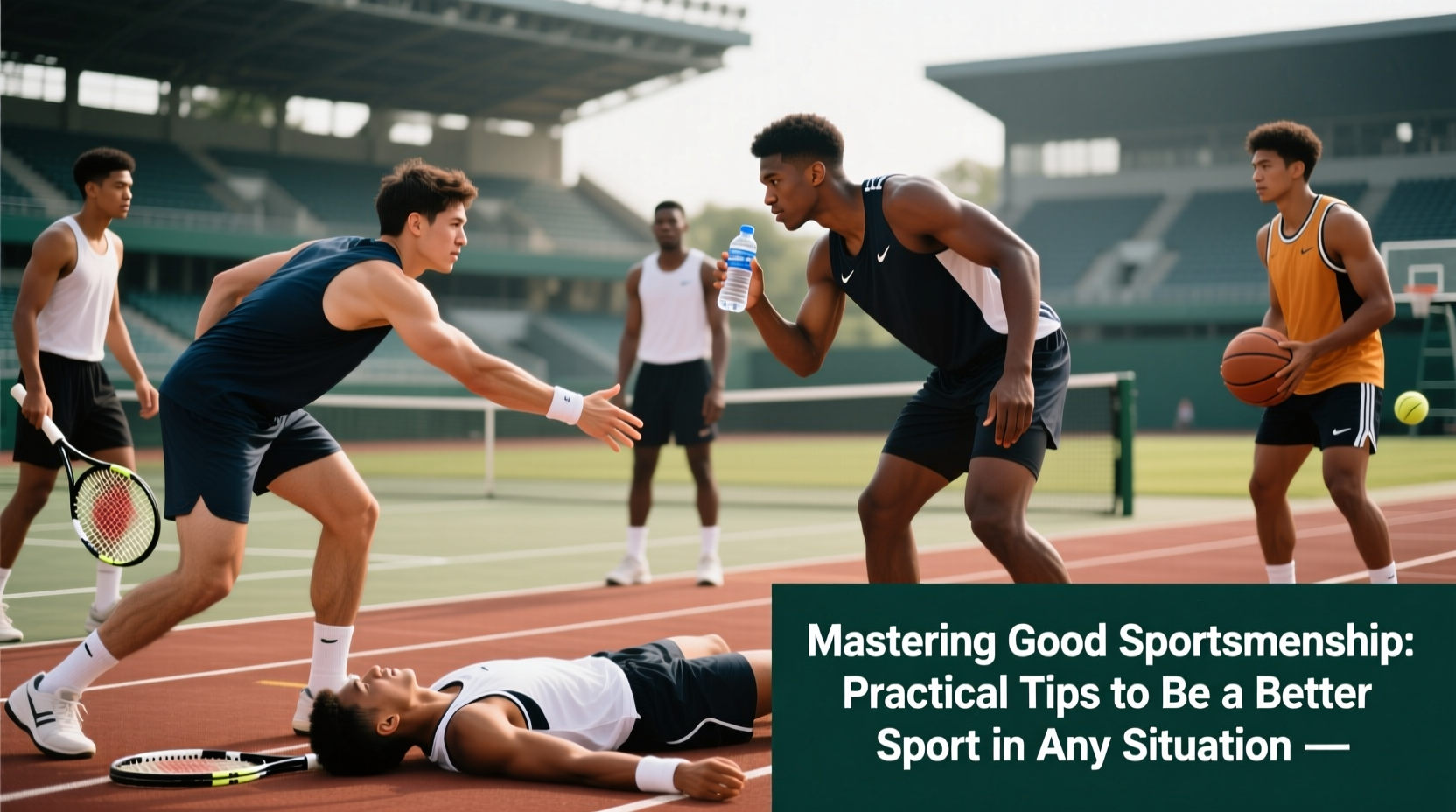
Sportsmanship rests on four foundational pillars: respect, fairness, self-control, and responsibility. These values form the backbone of ethical behavior in competitive environments.
- Respect: For teammates, opponents, officials, rules, and the game itself.
- Fairness: Playing by the rules and acknowledging when others do the same—even if it benefits them.
- Self-Control: Managing emotions during high-pressure moments without resorting to anger or retaliation.
- Responsibility: Owning your actions, including mistakes, and holding yourself accountable.
When these principles guide behavior, competition becomes constructive rather than destructive. The goal shifts from merely winning to growing—personally and collectively.
Practical Tips to Improve Your Sportsmanship
Becoming a better sport doesn't require grand gestures. It starts with small, consistent choices that reinforce positive habits. Here are actionable strategies to integrate into your mindset and behavior:
- Shake hands before and after games. This simple ritual acknowledges mutual effort and sets a tone of respect.
- Congratulate opponents on strong plays. A genuine “nice shot” or “great defense” goes a long way in building camaraderie.
- Avoid blaming referees or external factors. Focus on what you can control—your attitude and effort.
- Support teammates publicly, correct privately. Never undermine someone in front of others, even if frustrated.
- Apologize when you make a mistake that affects others. A quick “my bad” shows humility and accountability.
These behaviors may feel awkward at first, especially in heated moments. But over time, they become second nature—and earn you lasting respect.
Do’s and Don’ts of Sportsmanship
| Do’s | Don’ts |
|---|---|
| Celebrate wins modestly | Gloat or trash-talk after scoring |
| Encourage struggling teammates | Yell at or shame teammates for errors |
| Accept losses with dignity | Blame teammates, coaches, or referees |
| Follow the rules consistently | Exploit gray areas to gain unfair advantage |
| Thank volunteers, officials, and organizers | Ignore or disrespect support staff |
Learning from Real Situations: A Mini Case Study
During a high school regional basketball final, James, a star player, committed a foul late in the fourth quarter that gave the opposing team two free throws. They made both, taking a one-point lead. On the ensuing possession, James drove to the basket and scored—but was called for a charge. The whistle sealed the loss.
Instead of arguing or storming off the court, James stood up, shook the defender’s hand, and said, “Great positioning.” He then thanked the referee and hugged his coach. After the game, he spoke to reporters: “We didn’t lose because of that call. We lost because we missed too many open shots earlier. I’m proud of how we fought.”
This moment went viral locally—not because of the play, but because of James’ response. College scouts noted his maturity. Teammates cited his composure as a turning point in their season’s culture. His actions demonstrated that leadership isn’t only shown through performance, but through presence.
“Talent wins games, but character defines legacies. The best athletes aren’t just skilled—they’re honorable.” — Coach Maria Thompson, National Youth Sports Ethics Initiative
Step-by-Step Guide to Handling a Tough Loss with Grace
Losing is inevitable. How you respond determines your growth. Follow this five-step process to maintain dignity and learn from defeat:
- Pause and breathe. Take 30 seconds after the final whistle to compose yourself emotionally.
- Acknowledge the outcome. Say something like, “They played well,” or “We’ll get them next time,” to validate reality without excuses.
- Recognize effort. Thank teammates and coaches for their commitment, regardless of the result.
- Reflect objectively. Later, ask: What did we do well? Where did we fall short? Avoid blaming individuals.
- Recommit to improvement. Use the experience as motivation, not resentment.
This approach turns disappointment into development. Over time, losses become less about failure and more about feedback.
Checklist: Are You Demonstrating Strong Sportsmanship?
Use this checklist weekly—especially after games or competitive events—to assess and improve your behavior:
- ✅ Did I treat opponents with respect before, during, and after play?
- ✅ Did I avoid negative comments toward teammates, even in frustration?
- ✅ Did I accept calls or decisions without argument or eye rolls?
- ✅ Did I acknowledge strong performances by others, including rivals?
- ✅ Did I manage my emotions, even when things didn’t go my way?
- ✅ Did I thank coaches, officials, or event organizers?
- ✅ Did I focus on effort and improvement, not just the score?
Reviewing these questions regularly builds self-awareness and reinforces positive patterns.
Frequently Asked Questions
Isn’t being a good sport just about being nice? Can’t I still compete hard?
Absolutely. Good sportsmanship doesn’t mean softness—it means competing fiercely while honoring the spirit of the game. You can play with intensity and still show respect. In fact, the most respected competitors combine passion with discipline. Being tough and being fair aren’t mutually exclusive.
What should I do if my teammates are unsportsmanlike?
Lead by example. Quietly model respectful behavior. If safe and appropriate, address concerns privately: “Hey, I know we’re frustrated, but yelling at the ref isn’t helping.” In team settings, group norms shift gradually. One person’s consistency can inspire others to follow.
Does sportsmanship matter in casual games or recreational leagues?
Even more so. Recreational settings often include mixed skill levels, ages, and backgrounds. How you behave influences whether others want to play with you again. Good sportsmanship makes the experience enjoyable for everyone, which keeps people coming back.
Conclusion: Elevate the Game, On and Off the Field
Mastering good sportsmanship isn’t about perfection—it’s about progress. Every interaction is an opportunity to choose respect over resentment, humility over hubris, and growth over gratification. These choices compound over time, shaping not just how others see you, but who you become.
The habits you build in competition translate directly to everyday life: handling criticism at work, navigating disagreements in relationships, and maintaining poise under pressure. When you commit to being a better sport, you’re also committing to being a better person.




 浙公网安备
33010002000092号
浙公网安备
33010002000092号 浙B2-20120091-4
Comments
No comments yet. Why don't you start the discussion?