
In an age where mobility defines productivity and peace of mind, keeping your phone secure while remaining fully engaged in daily activities is essential. A phone case with a lanyard offers more than just a trendy accessory—it’s a functional upgrade that enhances accessibility, reduces the risk of drops, and frees your hands when you need them most. Whether you're navigating a crowded commute, hiking a rugged trail, or juggling groceries and a toddler, mastering the use of a lanyard-equipped phone case transforms how you interact with your device.
Yet, simply attaching a lanyard isn’t enough. To truly benefit from this hands-free solution, you need to understand proper setup, ergonomic positioning, material choices, and situational best practices. This guide dives into the practical nuances of using a lanyard-integrated phone case to maximize utility without sacrificing comfort or safety.
Why Hands-Free Phone Use Matters
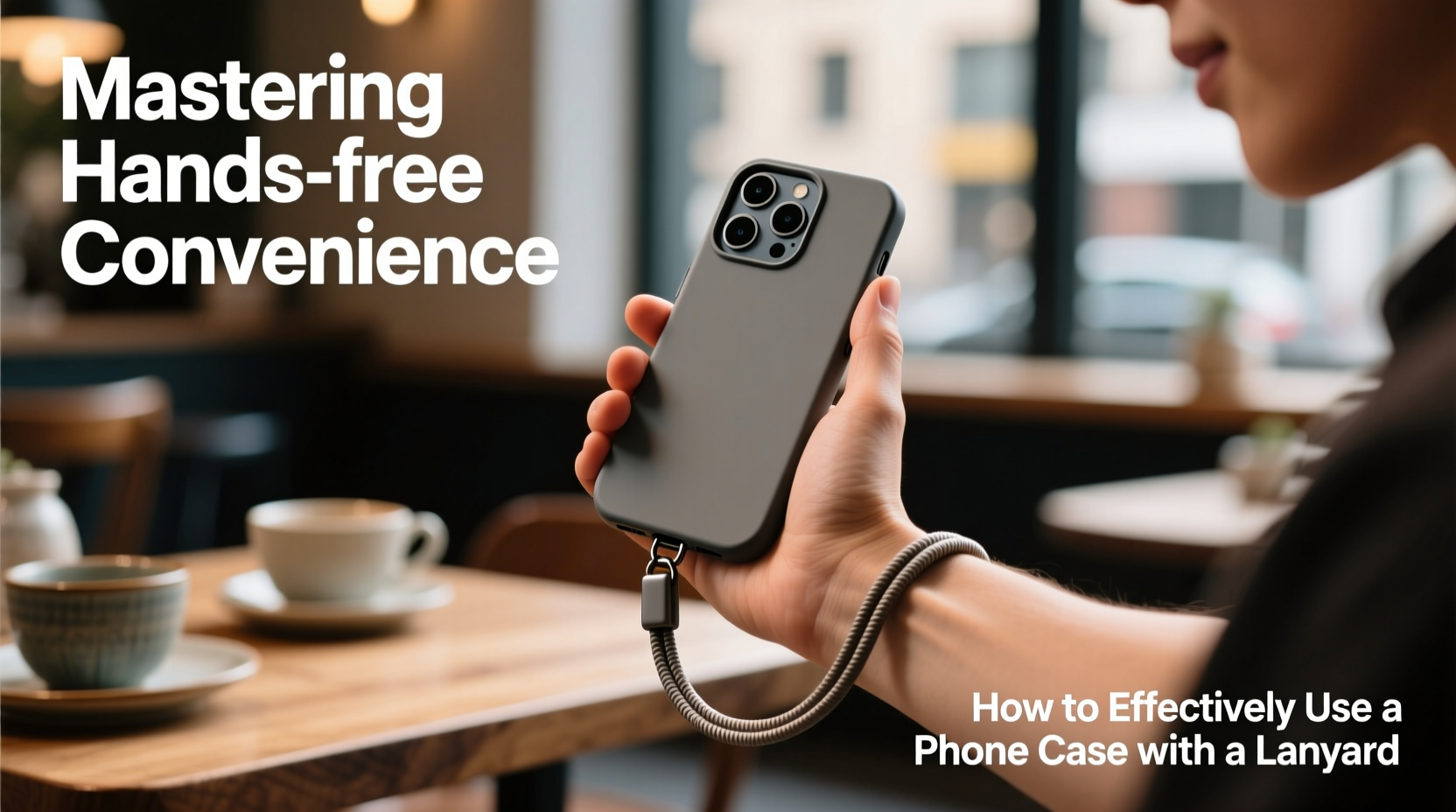
The average person checks their phone over 100 times a day. Each time, there's a momentary decision: hold it, set it down, or risk dropping it. Over time, these micro-moments accumulate into lost time, increased stress, and even physical strain from poor posture or sudden movements to catch a slipping device.
A lanyard-compatible phone case shifts this dynamic by anchoring your phone securely to your body. It prevents accidental drops, reduces hand fatigue, and keeps your device within reach—without requiring constant attention. Emergency responders, outdoor enthusiasts, retail workers, and parents frequently rely on this setup because it supports both safety and efficiency.
“Hands-free doesn’t just mean convenience—it means readiness. When your phone is secured properly, you’re never fumbling during critical moments.” — Jordan Lin, Industrial Safety Consultant
Choosing the Right Phone Case and Lanyard Combo
Not all lanyard-ready cases are created equal. The effectiveness of your setup depends heavily on compatibility, build quality, and design intent. Consider the following factors before purchasing:
- Lanyard attachment points: Look for reinforced loops, metal grommets, or integrated anchor slots. Flimsy plastic connectors can snap under tension.
- Material durability: Polycarbonate, TPU, or hybrid constructions offer better impact resistance than silicone or soft rubber.
- Lanyard length and adjustability: Opt for adjustable cords between 24–36 inches to allow flexibility in wear style.
- Weight distribution: Heavier phones require wider straps or padded lanyards to avoid neck strain.
Comparison: Lanyard Types and Best Uses
| Type | Material | Best For | Limitations |
|---|---|---|---|
| Neck Lanyard | Polyester/Nylon | Daily commuting, travel, events | Can cause neck fatigue if worn too long |
| Wrist Strap | Silicone/Elastic | Active use, gym, photography | Limited reach; not truly hands-free |
| Shoulder Crossbody | Webbed fabric with padding | Hiking, shopping, work shifts | Bulkier; may interfere with seatbelts |
| Retractable Reel | Plastic housing + steel cable | Workplaces, inventory scanning | Less portable; limited range |
Step-by-Step: Setting Up Your Lanyard System
Proper installation ensures reliability and comfort. Follow this sequence to optimize your setup:
- Select your preferred carry style: Decide whether you want neck, wrist, or cross-shoulder wear based on your daily routine.
- Attach the lanyard securely: Thread the cord through both side loops of the case (if available) to balance weight and prevent rotation.
- Adjust the length: For neck lanyards, position the phone at chest level so you can view the screen without bending forward.
- Test movement: Walk, bend, and reach overhead to ensure the phone doesn’t swing excessively or press uncomfortably.
- Add a breakaway clasp (optional): Especially important for children or high-motion environments to prevent choking hazards.
- Inspect regularly: Check stitching, knots, and connection points weekly for signs of wear.
Real-World Application: A Day in the Life of a Retail Manager
Sophia manages a busy boutique where she’s constantly moving between sales floors, stockrooms, and customer service desks. Before using a lanyard phone case, she often misplaced her device or dropped it while handling packages. After switching to a rugged case with a padded crossbody lanyard, her workflow improved dramatically.
She now scans inventory hands-free, answers client messages without interrupting fittings, and feels confident that her phone won’t slip from her grip during rush hours. “It’s like having a third hand,” she says. “I used to waste ten minutes a day searching for my phone. Now it’s always right where I need it.”
This scenario illustrates how small changes in device management can yield significant gains in efficiency and mental clarity.
Common Mistakes and How to Avoid Them
Even experienced users make errors that compromise safety or usability. Be mindful of these pitfalls:
- Using a non-reinforced case: Many slim cases have decorative loops that aren’t designed for load-bearing. Always verify structural integrity.
- Ignoring ergonomics: Wearing a heavy phone around the neck for hours can lead to cervical strain. Switch to a wrist strap or bag when possible.
- Overlooking security: In public spaces, a dangling phone can attract pickpockets. Keep it close to your body and be aware of surroundings.
- Skipping maintenance: Dirt and sweat degrade lanyard fibers over time. Clean fabric straps monthly with mild soap and water.
Frequently Asked Questions
Can I use any lanyard with my phone case?
No. Only use lanyards specifically rated for the weight of your phone and case. Standard badge reels or lightweight cords may fail under stress. Ensure the connector fits snugly into the case’s anchor point without slipping.
Is it safe to wear a phone on a lanyard all day?
For most people, yes—but with caveats. Limit continuous neck wear to 4–5 hours, especially with larger devices. Take breaks, stretch your neck and shoulders, and consider switching to a wrist option for prolonged use.
How do I clean a lanyard without damaging it?
Remove the lanyard from the case and hand-wash with lukewarm water and gentle detergent. Air dry flat. Avoid bleach, machine washing, or direct sunlight, which can weaken fibers and fade colors.
Maximizing Longevity and Performance
To get the most out of your lanyard system, treat it as part of your essential gear—not just an add-on. Store it separately from sharp objects, avoid exposing it to extreme heat or moisture, and replace it every 6–12 months depending on usage intensity.
If you frequently switch phones, invest in modular lanyards with universal clips or swappable ends. Some premium models even include antimicrobial coatings or reflective threading for low-light visibility.
“The best accessories don’t draw attention—they disappear into your routine while making everything easier.” — Marcus Tran, Product Design Engineer
Final Thoughts: Elevate Your Everyday Mobility
Mastering hands-free convenience isn’t about chasing trends—it’s about reclaiming focus, reducing clutter, and protecting your valuable devices. A well-chosen phone case with a lanyard does more than keep your phone secure; it supports better posture, faster response times, and greater confidence in motion.
Whether you’re walking through an airport, managing a job site, or enjoying a weekend adventure, the right lanyard setup puts control back in your hands—literally and figuratively. Evaluate your current habits, apply the strategies outlined here, and refine your approach over time.




 浙公网安备
33010002000092号
浙公网安备
33010002000092号 浙B2-20120091-4
Comments
No comments yet. Why don't you start the discussion?