
High-capacity tote bags are essential for professionals, students, parents, and travelers who need to carry a lot without sacrificing style or comfort. However, even the most spacious tote can become chaotic without intentional organization. The key isn’t just how much you can fit inside—it’s how quickly and easily you can find what you need. With thoughtful planning and consistent systems, you can transform your tote from a dumping ground into a streamlined command center.
The Challenge of Capacity Without Clarity
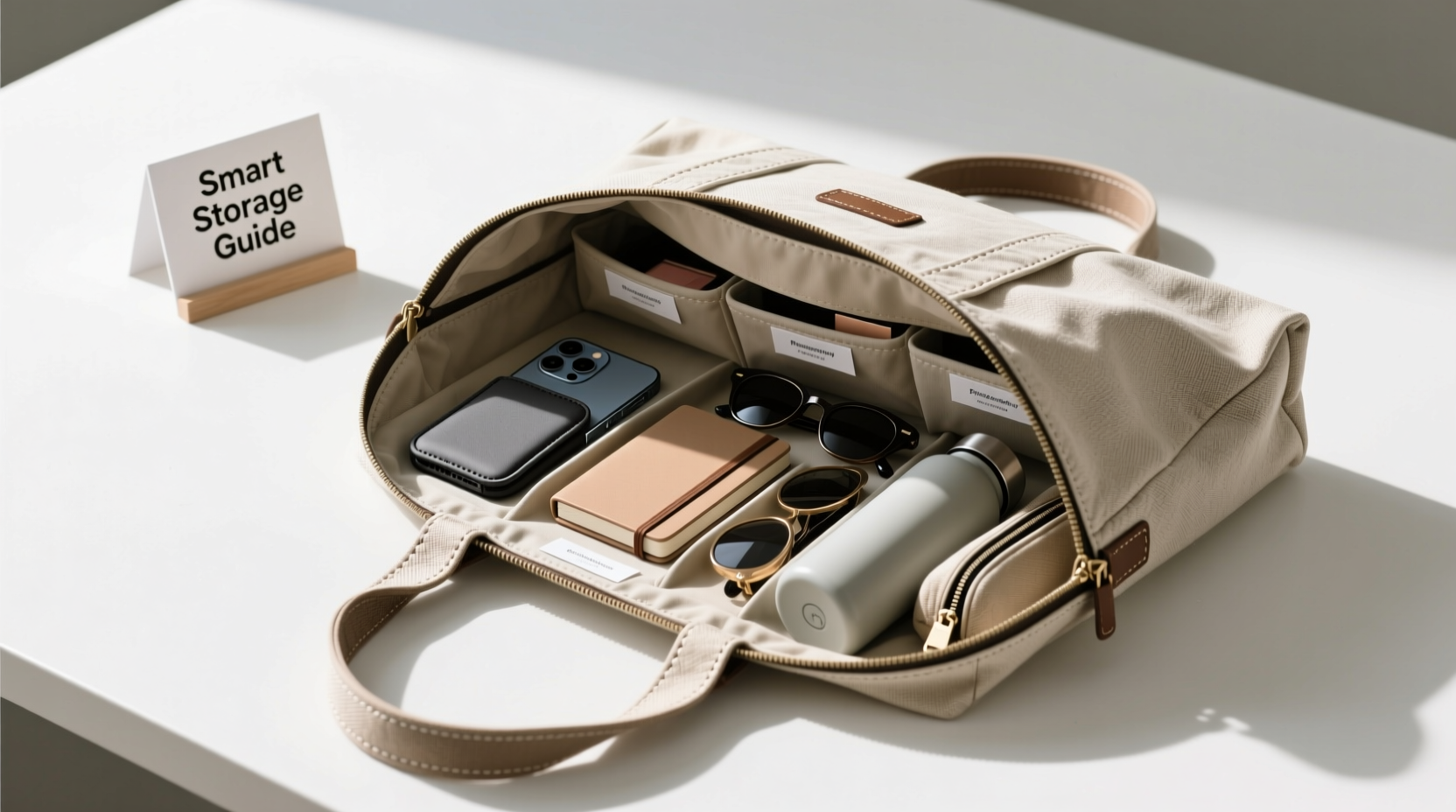
Many people assume that a larger bag solves all storage problems. In reality, oversized totes often lead to clutter because items get buried under layers of unrelated objects. A wallet sinks beneath notebooks, keys disappear in the bottom corner, and snacks get crushed by heavier gear. This lack of visibility and accessibility defeats the purpose of having extra space.
True organization goes beyond stuffing everything in one place. It involves categorizing, prioritizing, and positioning items so they’re not only stored safely but also retrievable on demand. The best organizational systems balance capacity with structure—maximizing volume while minimizing search time.
Core Principles of Smart Tote Organization
Effective tote management follows three foundational principles: compartmentalization, weight distribution, and frequency-based placement.
- Compartmentalization: Divide your tote into functional zones using inserts, pouches, or built-in pockets. Each category—work documents, personal items, electronics—should have its own designated area.
- Weight Distribution: Place heavier items (laptops, water bottles, books) at the bottom and centered to maintain balance and reduce shoulder strain.
- Frequency-Based Placement: Items used frequently—phone, keys, wallet—should be in top-level or exterior pockets for instant access.
These principles prevent overloading weak points of the bag, reduce wear and tear, and make daily use more efficient. They also help preserve the structural integrity of the tote over time.
Step-by-Step Guide: Building Your Organized Tote System
Follow this sequence to create a personalized, sustainable organization system tailored to your routine:
- Empty and Audit: Remove everything from your tote. Lay it out and assess each item. Ask: Do I use this daily? Is it necessary? Can it be replaced digitally?
- Categorize Items: Group belongings into logical clusters—Work, Tech, Personal Care, Snacks, etc.
- Select Organizers: Choose lightweight, flexible containers that match your categories. Consider magnetic closure pouches, fold-over clutch cases, or modular cubes.
- Assign Zones: Map where each category will live. Reserve outer pockets for quick-access items, middle compartments for essentials, and the base for bulkier tools.
- Load Strategically: Begin with heaviest items at the bottom, then layer upward. Ensure frequently used items aren’t blocked.
- Test and Adjust: Carry the bag for two days. Note any friction points—items hard to reach, imbalance, or bulging. Refine as needed.
Optimizing Access with Internal Architecture
Not all totes come with ideal internal layouts. If yours lacks dividers or structured pockets, consider retrofitting it with removable organizers. These upgrades can dramatically improve functionality:
- Expandable Mesh Pockets: Ideal for holding pens, chargers, or lip balm—visible and stretchable.
- Firm Laptop Sleeves: Provide padding and create a stable base layer.
- Magnetic Closure Pouches: Secure small valuables like ID cards or earbuds while allowing one-handed access.
- Roll-Top Dry Bags: Useful for separating damp items (wet umbrellas, gym clothes) from dry contents.
A well-structured interior doesn’t just protect contents—it creates mental clarity. When every item has a predictable home, retrieval becomes automatic, reducing stress during busy mornings or travel transitions.
“Organization isn’t about perfection; it’s about predictability. When you know exactly where your phone charger is, you save cognitive energy for more important decisions.” — Dr. Lena Torres, Behavioral Productivity Researcher
Real-World Application: Case Study – The Commuter Professional
Sarah, a project manager in Chicago, carried a 22L canvas tote between her home office, client meetings, and co-working spaces. Her bag routinely held a 15” laptop, notebook, power bank, headphones, lunch container, umbrella, and makeup touch-up kit. Despite the size, she often arrived late to meetings fumbling for her badge or pen.
After applying the step-by-step guide above, she reorganized her tote using four soft organizers: a padded sleeve for her laptop, a zip-top pouch for cables, a slim wallet case for ID and transit card, and a foldable fabric bin for food and drink. She placed her badge holder in the front slip pocket and attached a key leash near the zipper pull.
Within a week, Sarah reduced her “bag dive” time by 70%. She no longer forgot chargers or misplaced receipts. More importantly, she reported feeling more composed and prepared throughout her workday.
Do’s and Don’ts: Tote Organization Best Practices
| Do’s | Don’ts |
|---|---|
| Use clear or labeled pouches for fast identification | Overstuff the bag beyond its structural limits |
| Rotate seasonal items monthly to keep space optimized | Store loose liquids without leak-proof containment |
| Invest in multi-functional organizers (e.g., pouch with wristlet strap) | Mix dirty shoes or gym clothes directly into main compartments |
| Empty and reset your tote weekly to prevent buildup | Ignore signs of wear—fraying straps or broken zippers compromise safety |
Essential Checklist: Building an Efficient High-Capacity Tote
Use this checklist to audit and refine your current setup:
- ☐ Empty bag completely and clean interior weekly
- ☐ Sort items into defined categories (Tech, Work, Personal, etc.)
- ☐ Assign each category a dedicated organizer or zone
- ☐ Place heaviest items at the base, centered
- ☐ Keep daily essentials (keys, phone, wallet) in top or external pockets
- ☐ Use a key leash or lanyard to prevent misplacement
- ☐ Include a reusable shopping bag or foldable tote for overflow
- ☐ Perform a monthly review to remove unused items
Frequently Asked Questions
How do I prevent my tote from becoming too heavy?
Limit non-essential items and regularly audit contents. Use lightweight organizers made from nylon or ripstop fabric. Consider leaving non-critical items (extra shoes, multiple notebooks) at destination points instead of carrying them daily.
Can I use the same tote for work and travel?
Yes, but adapt your configuration based on purpose. For work, prioritize professionalism and quick document access. For travel, include packing cubes, a travel adapter pouch, and a spill-proof water bottle. Switch organizers as needed rather than mixing contexts.
What’s the best way to clean and maintain a high-capacity tote?
Spot-clean fabric totes with mild soap and a damp cloth. Air dry completely before reuse. For leather or synthetic blends, use manufacturer-recommended wipes. Never machine wash unless explicitly stated. Store upright with tissue inside to retain shape when not in use.
Final Thoughts: Turn Chaos Into Control
A high-capacity tote should empower you, not overwhelm you. By implementing strategic organization methods—zoning, weight management, and intelligent accessories—you unlock the full potential of your bag. What begins as a simple reorganization can evolve into a broader habit of intentionality, influencing how you manage time, tasks, and priorities.
The goal isn’t minimalism for its own sake, but efficiency with purpose. When your belongings are arranged with care, your mind operates with greater ease. You spend less time searching and more time doing what matters.




 浙公网安备
33010002000092号
浙公网安备
33010002000092号 浙B2-20120091-4
Comments
No comments yet. Why don't you start the discussion?