
In Book of the Demon King, constructing an effective dungeon is not just about summoning monsters—it’s a strategic art that determines your survival, influence, and dominance over rival warlords. A well-designed dungeon repels invaders, maximizes resource generation, and amplifies your demonic power. Many players rush into placing rooms and spawning creatures without a plan, only to face inefficient layouts and repeated breaches. This guide breaks down the core mechanics and advanced tactics required to master dungeon construction from foundation to fortress.
Understanding the Dungeon Core Mechanics
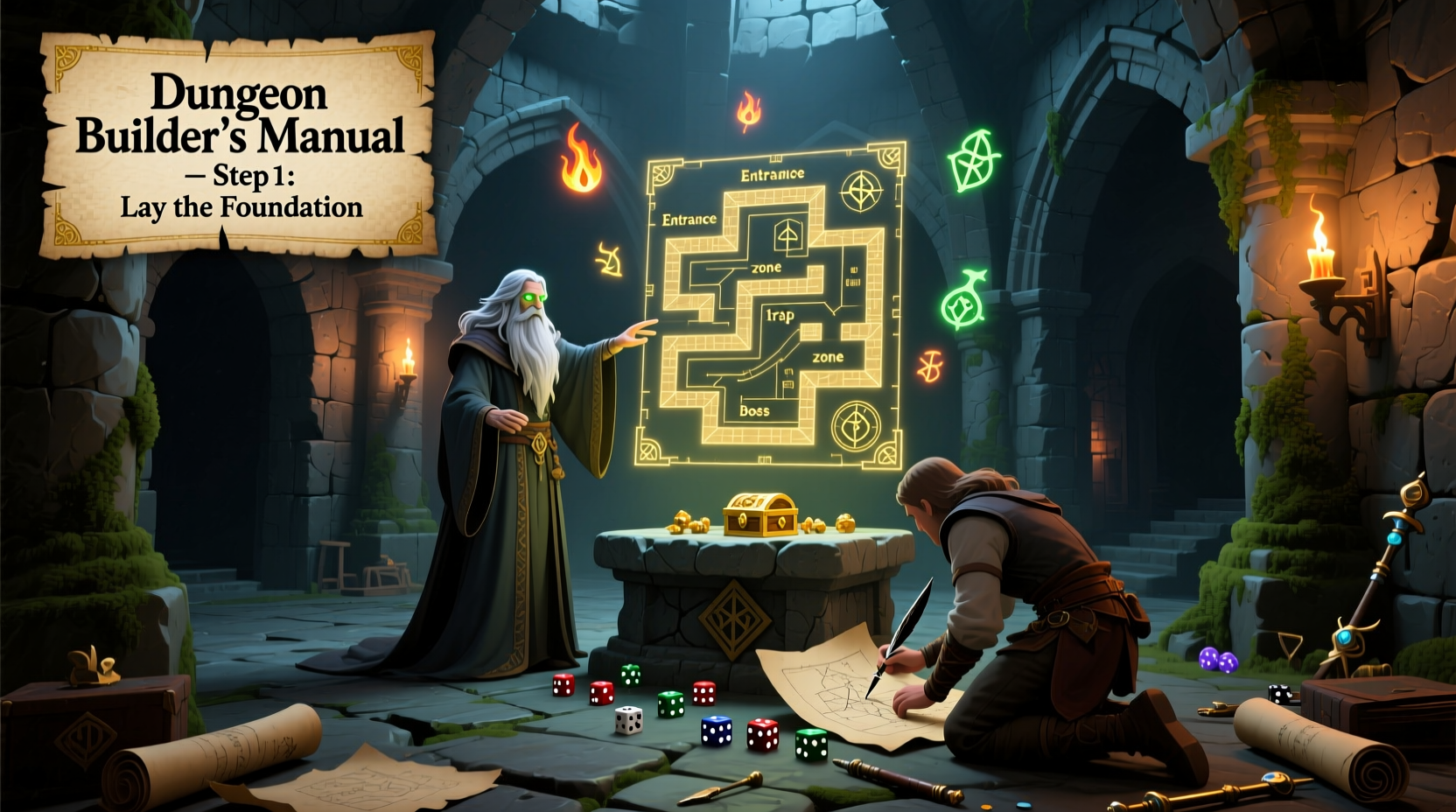
The foundation of any successful dungeon lies in understanding the game’s underlying systems. In Book of the Demon King, your dungeon operates on three primary pillars: mana flow, room synergy, and spatial hierarchy. The Dungeon Core acts as both a power source and a control hub. It generates passive mana based on size and upgrades but also limits how many rooms you can support at once. Each room consumes a specific amount of mana—ranging from 5 units for basic corridors to 30+ for elite chambers like the Pit of Torment or Blood Altar.
Mana regeneration scales with depth. The deeper your dungeon extends beneath the surface, the higher the ambient mana density, which allows for faster spell casting and quicker monster respawns. However, deeper levels are harder to defend and require stronger initial guardians.
Step-by-Step Guide to Building Your First Functional Dungeon
- Claim Your Territory: After completing the tutorial, use your Demon Mark to claim a starting zone. Choose areas near ley lines (shown faintly on the minimap) for +15% base mana regeneration.
- Place the Core Chamber: Position your Core at the deepest viable point early. Relocating it later costs 500 soul shards.
- Build Access Tunnels: Construct two separate entry paths—one main corridor and one hidden emergency route lined with concealment runes.
- Add Essential Rooms: Prioritize a Summoning Circle (cost: 25 mana), Guard Post (15 mana), and Mana Conduit (10 mana). These form the operational backbone.
- Spawn Initial Forces: Summon two Hellhounds and one Bone Sentinel. They’re cheap, durable, and cover close-range threats.
- Install Traps: Place spike pits at chokepoints and silence glyphs near the entrance to disrupt enemy casters.
- Upgrade Core: Once you’ve defeated your first invader, invest in Core Level 2 for expanded room capacity.
This sequence ensures rapid deployment, early defense, and scalability. Rushing into decorative or vanity rooms too soon drains resources needed for survivability.
Optimizing Room Layout and Synergy
Efficiency isn’t measured by size—it’s measured by function. A compact, well-synergized dungeon outperforms sprawling mazes with poor flow. Certain room combinations trigger passive bonuses known as \"Echo Effects.\" For example:
- Blood Altar adjacent to Torture Chamber → +20% life steal for all minions.
- Summoning Circle linked to Mana Conduit → -15% summon cost.
- Guard Post facing a narrow corridor → +25% damage for stationed units.
Use these synergies to create zones of dominance: a killing floor, a regeneration wing, and a command nexus. Avoid clustering high-mana rooms together unless connected to secondary cores.
| Room Type | Mana Cost | Synergy Bonus | Recommended Placement |
|---|---|---|---|
| Core Chamber | Base (scales) | Unlocks adjacent room discounts | Center or deep underground |
| Summoning Circle | 25 | -15% summon cost with Mana Conduit | Near Core, protected rear |
| Torture Chamber | 30 | +20% minion crit with Blood Altar | Middle tier, near front lines |
| Trap Gallery | 20 | Doubles trap duration when paired with Rune Vault | Entrance and flanks |
| Mana Conduit | 10 | Feeds nearby high-cost rooms | Connecting critical chambers |
Advanced Defense Tactics and Monster Management
Your dungeon will be tested. The AI launches waves based on your activity level—more summons equal earlier aggression. To counter this, implement layered defense strategies:
- Zoning: Divide your dungeon into outer (sacrificial), middle (defensive), and inner (critical) zones. Let weaker enemies penetrate the outer ring to trigger traps while elites guard the core.
- Monster Roles: Assign roles based on traits. Use fast units like Shadow Stalkers for patrol, tanks like Abyssal Golems for chokepoint holding, and spellcasters like Void Shamans in elevated positions.
- Respawn Cycling: Do not keep all monsters active. Rotate squads so fallen units respawn while others hold the line. This reduces mana drain over time.
“Most new dungeon lords fail because they try to defend everything at once. Focus on controlling space, not occupying it.” — Lord Malrik the Unbroken, Top 10 Ranked Player
Mini Case Study: How Player “Vorthax” Survived the Crimson Siege
Vorthax, a mid-tier player, faced a coordinated attack from three rival clans during the seasonal event “Crimson Siege.” His dungeon was only level 7, significantly underpowered compared to his foes. Instead of reinforcing every wall, he redesigned his layout overnight using a funnel strategy.
He narrowed the main entrance into a single-tile corridor, flanked by overlapping trap zones—flame jets, silence runes, and collapsing ceilings. He positioned his elite units behind the kill zone, allowing traps to weaken attackers before engagement. By sacrificing his forward barracks, he lured enemies deep into the maze, where ambush squads cut off their retreat.
The result? All three invading forces were eliminated with minimal loss. Vorthax gained 1,200 renown points and earned a rare “Dungeon Tactician” badge. His success wasn’t due to stronger monsters—it was superior design.
Essential Checklist Before Expanding Beyond Level 10
- ✅ Core upgraded to Level 3
- ✅ At least two functional escape tunnels
- ✅ Trap coverage on all primary entrances
- ✅ Active mana conduits feeding high-cost rooms
- ✅ Assigned patrol routes for at least three monster types
- ✅ One hidden room (e.g., Secret Archive or Phantom Vault)
- ✅ Daily soul shard income exceeding 200
Frequently Asked Questions
Can I move my Core after initial placement?
Yes, but only through a costly ritual requiring 500 soul shards and 24 hours of downtime. During this period, your dungeon is vulnerable and cannot summon units. It’s better to plan your Core location carefully from the start.
What’s the best early-game trap combination?
The most effective early setup is a sequence of Silence Glyph → Spike Pit → Net Launcher. This disables spellcasters, damages melee units, and immobilizes fleeing enemies. Upgrade them as soon as you reach 150 mana surplus per cycle.
How do I prevent mana starvation in large dungeons?
Mana starvation occurs when demand exceeds regeneration. Install Mana Conduits between high-consumption rooms and the Core. Also, limit simultaneous summoning—use staggered spawn timers. Consider building a Secondary Core at Level 12 to distribute load.
Conclusion: Forge a Dungeon That Commands Fear
Building a dungeon in Book of the Demon King is more than architecture—it’s a declaration of power. Every corridor, trap, and summoned beast reflects your strategic vision. With the right layout, your dungeon becomes self-sustaining, resilient, and terrifying to intruders. Start small, think deep, and prioritize function over flair. As your influence grows, so too will the legends whispered about your underground empire.




 浙公网安备
33010002000092号
浙公网安备
33010002000092号 浙B2-20120091-4
Comments
No comments yet. Why don't you start the discussion?