
Fitting a muzzle correctly is essential for your dog’s well-being and the safety of those around them. The Basketville muzzle, known for its durable construction and breathable design, offers one of the most humane options available. Unlike restrictive fabric muzzles, it allows dogs to pant, drink, and even accept treats—critical features during walks, vet visits, or training sessions. However, improper fitting can lead to discomfort, chafing, or escape attempts. This comprehensive guide walks you through every stage of fitting a Basketville muzzle properly, ensuring both comfort and security.
Understanding the Basketville Muzzle Design
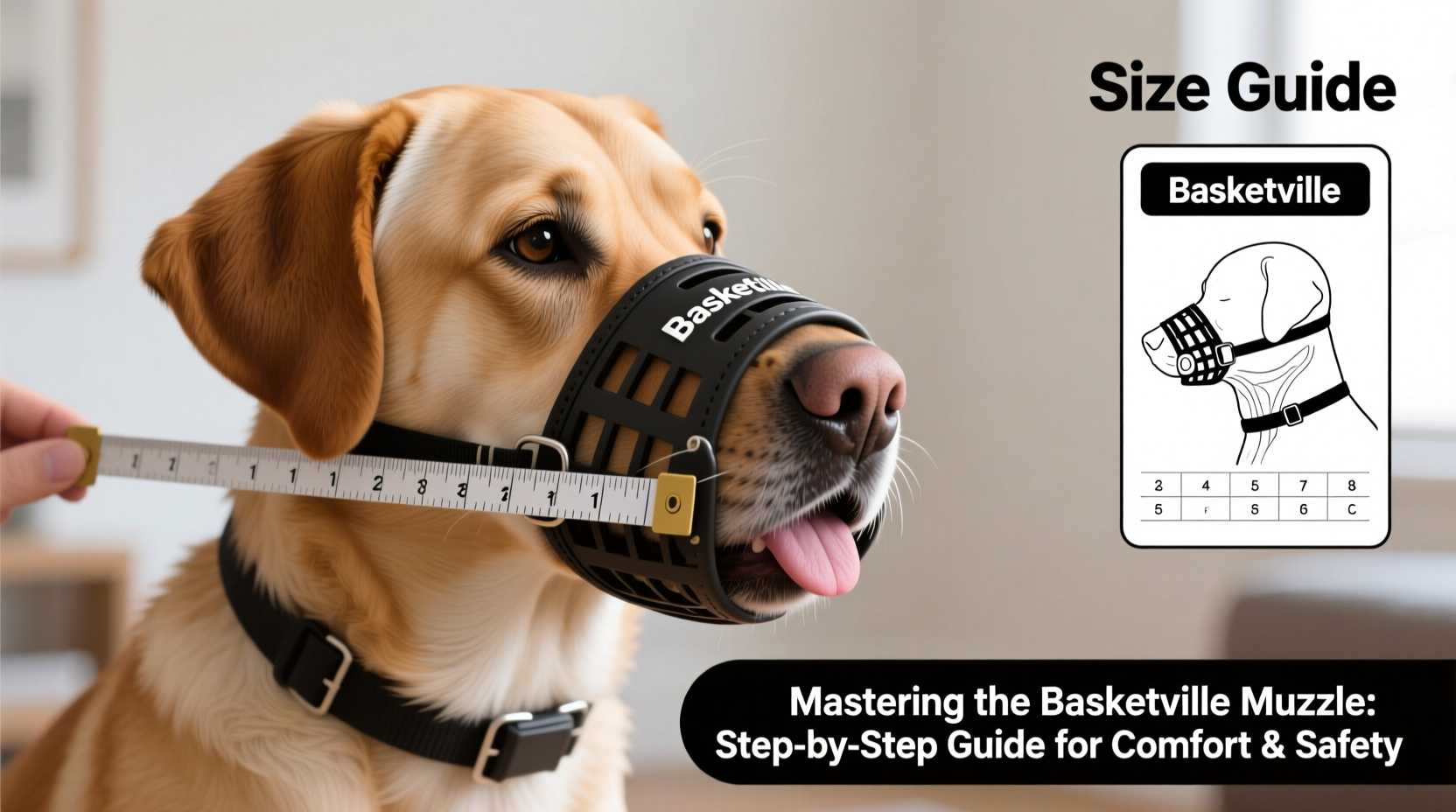
The Basketville muzzle is constructed from lightweight, food-grade polypropylene, making it both sturdy and safe for prolonged wear. Its open-grid structure promotes airflow, reducing overheating risks. The adjustable nylon straps allow for a customized fit across various head shapes and sizes. Available in multiple sizes—from XS for small breeds like Chihuahuas to XL for large dogs such as German Shepherds—it's designed to accommodate a wide range of canine physiologies.
Unlike occlusion muzzles that prevent mouth opening, the Basketville permits natural behaviors. This is especially important during hot weather when panting regulates body temperature. It also supports positive reinforcement training, as treats can be offered through the front while the muzzle remains secure.
“Properly fitted basket muzzles don’t suppress behavior—they enable safer socialization and management.” — Dr. Lena Torres, Certified Veterinary Behaviorist
Step-by-Step Guide to Fitting a Basketville Muzzle
Correct fitting ensures your dog can wear the muzzle without irritation or restriction. Follow these steps carefully:
- Choose the Right Size: Measure your dog’s snout length (from tip to base) and circumference just behind the eyes. Refer to the official Basketville size chart. If between sizes, size up for comfort.
- Introduce the Muzzle Gradually: Let your dog sniff and explore the muzzle. Reward curiosity with praise or treats to build positive associations.
- Attach the Basket Loosely First: Place the basket over the snout without tightening straps. Ensure the bottom edge sits above the chin crease but doesn’t press against the throat.
- Adjust the Crown Strap: Position the strap over the top of the head, just behind the ears. Tighten until snug but not constricting—two fingers should fit comfortably underneath.
- Secure the Neck Strap: Fasten the lower strap around the neck, below the jawline. It should prevent upward sliding without restricting swallowing or breathing.
- Check Mobility and Comfort: Allow your dog to shake their head, yawn, and pant. Observe for rubbing, pinching, or difficulty moving the jaw.
- Monitor During Initial Use: Begin with short indoor sessions (5–10 minutes), gradually increasing duration over several days.
Common Fitting Mistakes and How to Avoid Them
Even experienced handlers sometimes make errors when fitting basket muzzles. These issues compromise safety and comfort:
- Incorrect Sizing: Using a too-small basket causes pressure on the nose; too-large increases escape risk.
- Tightening Straps Excessively: Over-tightening leads to sores behind the ears or under the jaw.
- Ignoring Snout Shape Variations: Brachycephalic breeds (e.g., Bulldogs) require shorter baskets, while dolichocephalic dogs (e.g., Greyhounds) need extended models.
- Skipping Acclimation: Forcing immediate outdoor use creates negative associations and resistance.
| Do’s | Don’ts |
|---|---|
| Measure snout length and girth before ordering | Guess the size based on breed alone |
| Allow panting, drinking, and treat-taking | Select a model that blocks mouth opening |
| Inspect for rub marks after each use | Leave the muzzle on unattended for long periods |
| Use positive reinforcement during training | Punish or scold if the dog resists initially |
Real-Life Example: Training Max the Reactive Labrador
Max, a 3-year-old yellow Labrador, exhibited leash reactivity toward other dogs. His owner, Sarah, feared off-leash encounters despite his otherwise friendly nature. After consulting a certified trainer, she decided to introduce a Basketville muzzle as part of a broader behavior modification plan.
Sarah began by placing treats inside the empty basket, letting Max retrieve them. Over five days, she progressed to touching the basket to his snout, then securing it briefly during mealtime. By day ten, Max wore the muzzle comfortably during backyard play. When introduced on quiet neighborhood walks, he showed no signs of distress. Within three weeks, Sarah reported improved confidence—not only in Max but in herself. The muzzle didn’t fix reactivity, but it created a safer environment for training progress.
Essential Checklist for Safe Muzzle Use
Before every outing, run through this checklist to ensure proper function and fit:
- ✅ Confirm the correct size is being used
- ✅ Inspect the basket for cracks or sharp edges
- ✅ Check straps for fraying or buckle damage
- ✅ Verify two fingers fit under crown and neck straps
- ✅ Ensure the dog can pant freely and pick up treats
- ✅ Confirm identification tags are visible or attached to collar
- ✅ Limit continuous wear to 30–60 minutes unless under supervision
Frequently Asked Questions
Can my dog drink water while wearing a Basketville muzzle?
Yes. The open-front design allows most dogs to drink from bowls, bottles, or fountains. Some may need practice, especially if they’re new to muzzles. Offer water during breaks to prevent dehydration.
How do I clean the Basketville muzzle?
Wash with warm water and mild dish soap weekly. Use a soft brush to remove debris from the grid. Rinse thoroughly and air dry. Avoid bleach or abrasive cleaners that could degrade the plastic.
Is it cruel to muzzle a dog?
Not when done humanely and appropriately. A well-fitted basket muzzle enhances safety during training, travel, or medical procedures. It should never replace behavioral support but rather complement professional guidance.
Final Thoughts: Building Trust Through Proper Fit
Fitting a Basketville muzzle isn't just about physical alignment—it's about building trust. Dogs respond to tone, timing, and consistency. When introduced with patience and positivity, a muzzle becomes a tool of empowerment rather than restriction. Whether managing reactivity, preparing for veterinary care, or navigating crowded spaces, a correctly fitted Basketville ensures your dog stays cool, calm, and comfortable.
Start slow, prioritize comfort, and never rush the process. With time, many dogs learn to anticipate the muzzle as a signal for adventure—not anxiety. Mastering this skill transforms challenging situations into opportunities for growth, safety, and shared confidence.




 浙公网安备
33010002000092号
浙公网安备
33010002000092号 浙B2-20120091-4
Comments
No comments yet. Why don't you start the discussion?