
Traveling efficiently begins long before you reach the airport or train station—it starts with how you pack. A large tote bag offers versatility and capacity, but without proper organization, it can quickly become a disorganized jumble of items that slows you down and stresses you out. Whether you're a frequent flyer, weekend adventurer, or digital nomad, mastering tote bag organization is essential for smooth, stress-free travel. The right system balances space efficiency with immediate access, ensuring everything has its place and purpose.
Why Tote Bag Organization Matters for Travelers
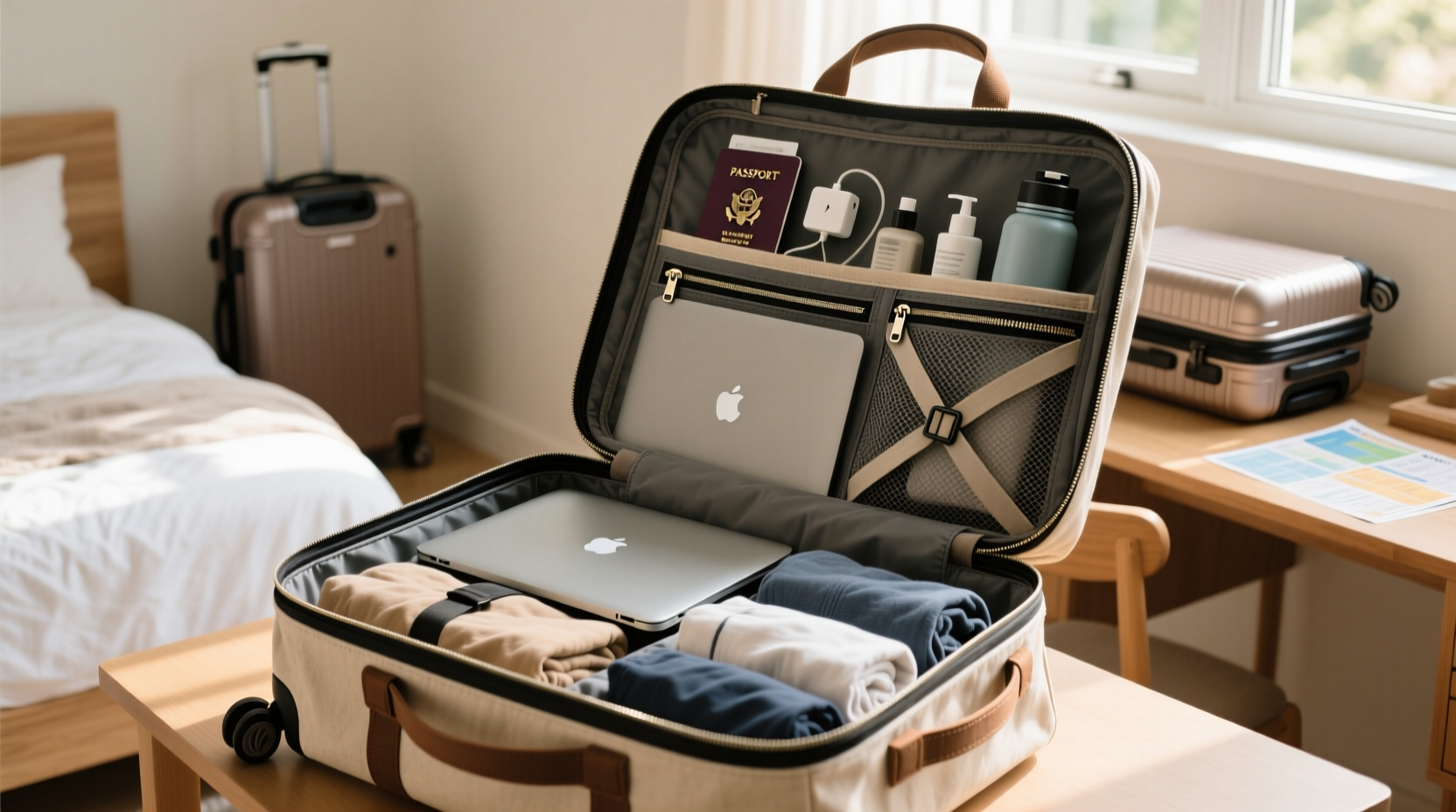
A large tote bag is more than just a carryall—it's often your primary travel companion when moving between destinations, navigating transit hubs, or exploring cities on foot. Unlike checked luggage, your tote stays with you, making accessibility critical. Poorly organized totes lead to rummaging through layers of items to find a passport, charger, or snack, which wastes time and increases frustration. Worse, overpacking or haphazard stuffing can damage delicate items, misplace essentials, or even exceed airline personal item limits.
Effective organization transforms your tote from a chaotic storage bin into a functional command center. It reduces physical strain by distributing weight evenly, prevents loss of small items, and allows quick retrieval of frequently used objects. More importantly, it gives you peace of mind knowing exactly where everything is—without needing to unpack half your bag at security or during a layover.
The Zone-Based Packing Method
One of the most effective strategies for organizing a large tote is the zone-based approach. This method divides your bag into dedicated sections, each serving a specific function. By mentally mapping these zones, you eliminate guesswork and reduce clutter.
- Top Layer (Immediate Access): Reserved for items needed during transit—boarding pass, wallet, phone, headphones, lip balm, or reading material.
- Middle Compartment (Daily Essentials): Houses your power bank, notebook, sunglasses, hand sanitizer, and reusable water bottle sleeve.
- Bottom Section (Secure Storage): For less frequently accessed but important items like extra clothing, toiletry pouch, or first-aid supplies.
- Sides & Pockets (Specialized Zones): Use exterior pockets for keys, umbrella, or medication; interior zippered pockets for cash, cards, and IDs.
This layered logic ensures that high-priority items are always within reach while protecting bulkier or sensitive contents below. Over time, this system becomes intuitive, allowing you to grab what you need without opening multiple compartments.
Step-by-Step: Building Your Organized Tote in 5 Minutes
Follow this routine every time you repack to maintain consistency:
- Empty completely: Remove all contents and wipe down surfaces if needed.
- Categorize items: Group belongings into logical sets (e.g., tech, hygiene, documents).
- Select only essentials: Ask: “Will I use this today?” If not, leave it behind.
- Pack by zone: Start with heaviest items at the base, then build upward with lighter, frequently used pieces.
- Double-check access points: Ensure zippers glide smoothly and pockets aren’t overfilled.
Smart Accessories That Transform Your Tote
No organizational system works well without the right tools. Invest in compact, multi-functional accessories designed to compartmentalize and protect your items.
| Accessory | Function | Recommended Use |
|---|---|---|
| Roll-up toiletry organizer | Compresses liquids and prevents leaks | Ideal for short trips; fits in side pocket |
| Neoprene tech sleeve | Protects tablet or e-reader with cord loops | Prevents screen scratches and tangling |
| Clear zip pouch (TSA-friendly) | Holds liquids under 100ml | Speeds up airport security checks |
| Foldable fabric bins | Creates internal dividers | Great for separating clean/used clothes |
| Key leash with carabiner | Attaches keys to inner strap | Eliminates last-minute key hunts |
These small investments pay off in saved time, reduced stress, and better protection for your belongings. Choose lightweight, washable materials that won’t add unnecessary bulk.
Real-World Example: How a Freelancer Streamlined Her Work-Trip Routine
Sophia, a freelance graphic designer based in Barcelona, used to arrive at client meetings flustered, digging through her oversized canvas tote for her stylus, sketchbook, or laptop receipt. After missing two deadlines due to misplaced files, she restructured her packing strategy using the zone method.
She began using color-coded pouches: blue for tech, green for notes, red for urgent documents. She also added a removable padded insert to cradle her tablet and prevent accidental drops. Within a week, her morning prep time dropped from 25 minutes to under 10. During a recent trip to Lisbon, she cleared airport security in record time because her liquids were already in a transparent, easily accessible pouch.
“It’s not about having more bags,” she said. “It’s about making one bag work smarter.”
“Efficiency isn’t found in bigger bags—it’s built into smarter systems. The best travel organizers don’t carry more; they carry better.” — Marcus Tran, Productivity Consultant for Mobile Professionals
Do’s and Don’ts of Tote Organization
To avoid common pitfalls, follow this simple guide:
| Do | Don’t |
|---|---|
| Use compression cubes for clothing or cables | Overstuff the main compartment |
| Keep a mini checklist taped inside the lining | Mix dirty laundry directly with clean items |
| Carry a foldable tote as backup | Store sharp objects loosely |
| Reassess contents nightly during multi-day trips | Leave receipts or wrappers inside |
| Invest in a tote with reinforced handles and feet | Ignore wear on straps or seams |
Frequently Asked Questions
How do I prevent my tote from becoming too heavy?
Distribute weight evenly by placing heavier items like laptops or books near the center-back of the bag, close to your body. Limit non-essential items and weigh your packed tote occasionally—anything over 10% of your body weight risks strain. Use a luggage scale if traveling frequently.
What’s the best way to keep electronics safe and charged?
Store devices in padded sleeves and group chargers, cables, and power banks in a single neoprene roll-up case. Wrap cords with rubber bands or Velcro ties to prevent tangling. Consider a slim solar charger for outdoor trips.
Can I use the same tote for business and leisure travel?
Yes, but adapt your internal layout accordingly. For business, prioritize document folders, a sleek laptop sleeve, and professional accessories. For leisure, emphasize comfort items like a light sweater, water bottle, and camera. Switch pouches or reconfigure zones depending on the trip type.
Essential Checklist: Pre-Departure Tote Review
Before leaving home or hotel, run through this checklist:
- ✅ Passport, ID, and tickets securely stored
- ✅ Phone fully charged with backup power source
- ✅ Wallet with local currency and emergency card
- ✅ Medications and personal care items packed
- ✅ Reusable water bottle empty (for security)
- ✅ Snacks sealed and easily reachable
- ✅ Keys attached to designated clip
- ✅ All zippers closed and straps adjusted
Final Thoughts: Turn Chaos Into Confidence
A well-organized tote bag does more than save space—it restores control. When every item has a predictable home, you move through airports, cafes, and city streets with confidence, not confusion. The strategies outlined here are not rigid rules but adaptable principles that evolve with your travel style.
Start small: pick one change today—add a clear pouch, label a section, or reposition your laptop. Build from there. In weeks, your tote will feel like an extension of your routine, not a burden to manage.




 浙公网安备
33010002000092号
浙公网安备
33010002000092号 浙B2-20120091-4
Comments
No comments yet. Why don't you start the discussion?