
Laundry is a household chore that never ends. Yet, how it begins—often with a pile of clothes tossed into a single basket—can set the tone for the entire process. A disorganized laundry basket leads to forgotten items, color mishaps, and unnecessary re-washing. By mastering laundry basket organization, you can streamline your routine, reduce errors, and maintain a cleaner, more functional home.
The key isn’t just owning a basket—it’s using it strategically. From sorting by fabric type to pre-treating stains before they’re buried under other clothes, small changes in how you load and manage your laundry basket can have a significant impact on efficiency and garment longevity.
Why Laundry Basket Organization Matters
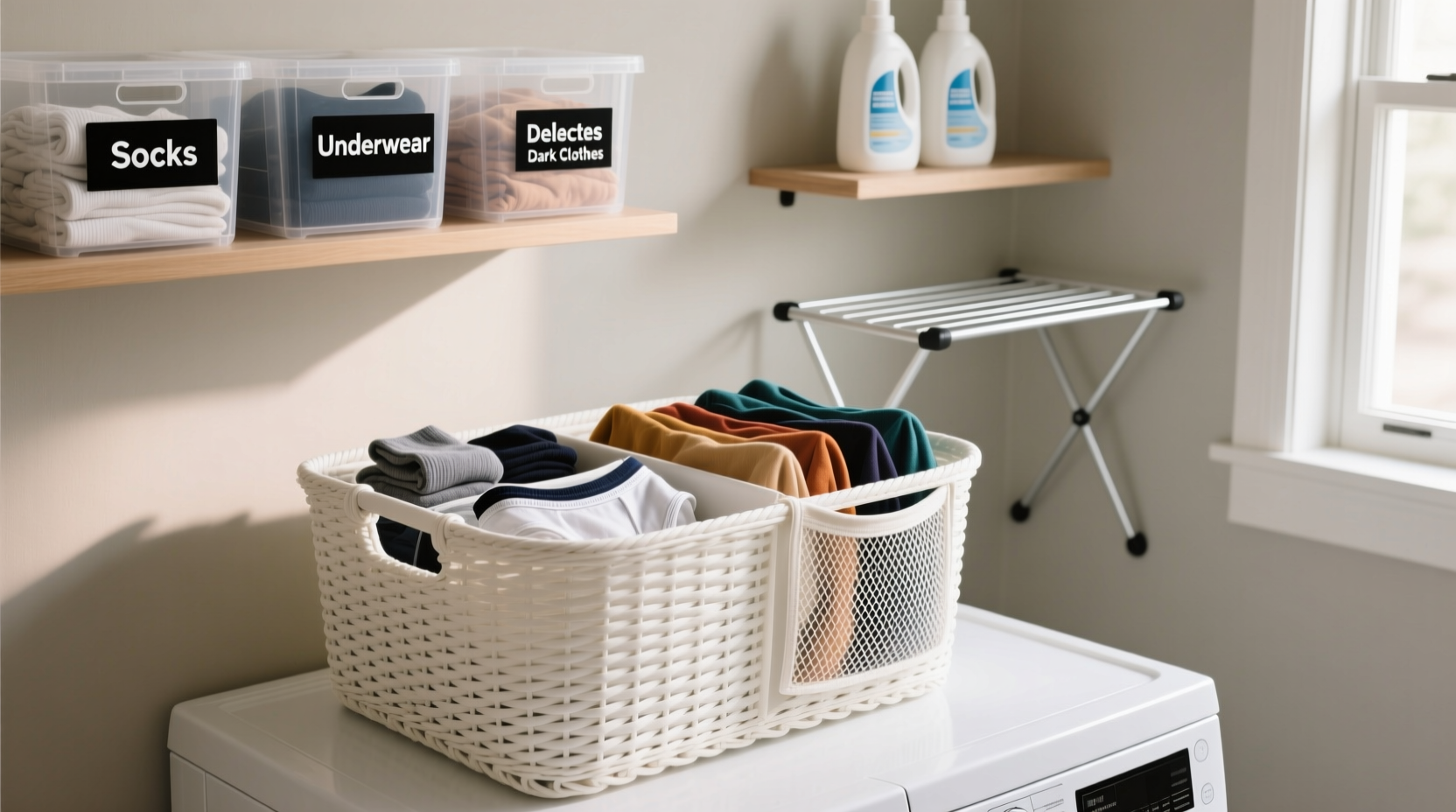
Most people treat the laundry basket as a dumping ground—a temporary holding zone before washing. But this mindset creates downstream problems. Socks go missing, delicate fabrics get damaged, and heavily soiled items sit too long, setting stains. An organized approach transforms the basket from a cluttered catch-all into a purposeful tool.
Proper organization at the outset supports better sorting, faster loading, and fewer mistakes during washing. It also makes it easier to identify which loads need special care, such as cold washes or hand-washing. When everything has its place—even temporarily—you gain control over a task that often feels chaotic.
“Organization starts before the machine even turns on. How you collect and sort laundry directly affects cleaning results and clothing lifespan.” — Lena Patel, Home Efficiency Consultant
Step-by-Step Guide to Optimizing Your Laundry Basket System
Transforming your laundry routine begins with a simple but deliberate process. Follow these steps to build a system that works seamlessly with your lifestyle:
- Assess Your Household’s Needs: Consider how many people contribute to the laundry, what types of fabrics you commonly wash (e.g., workout gear, baby clothes, delicates), and how frequently you do laundry.
- Choose the Right Basket Type: Single baskets work for individuals; families benefit from multi-compartment or stackable bins. Mesh-lined baskets allow airflow and are ideal for damp towels or sweaty gym clothes.
- Label or Color-Code Bins: Use labels like “Whites,” “Darks,” “Delicates,” or family member names. Color-coded baskets help children participate without confusion.
- Place Baskets Strategically: Put one in each bedroom or bathroom to encourage immediate deposit. Avoid central-only placement, which delays collection and increases clutter.
- Pre-Sort Before Dropping In: Train household members to check pockets, unroll socks, and separate heavily stained items before tossing clothes into the designated bin.
- Empty Regularly: Stick to a schedule. Even well-organized baskets become problematic if left too long. Aim to process full bins within 24–48 hours.
Do’s and Don’ts of Laundry Basket Management
| Do | Don’t |
|---|---|
| Use breathable natural fiber baskets (like wicker or cotton mesh) for general use | Store wet clothes in sealed plastic bins—this promotes mildew and odors |
| Line baskets with washable liners for easy cleaning | Overfill baskets—overstuffing makes transport difficult and delays sorting |
| Include a small pouch in the basket for buttons, safety pins, or lost earrings | Let shoes, pet bedding, or muddy clothes mix with regular laundry without containment |
| Wipe down plastic baskets monthly to prevent bacterial buildup | Ignore lingering smells—persistent odor means the basket itself needs cleaning |
| Rotate multiple baskets to keep one always ready | Use the same basket for dirty laundry and clean folded clothes |
Real-Life Example: The Johnson Family’s Turnaround
The Johnsons, a family of five in suburban Ohio, used to spend weekends battling laundry backlog. Their single oversized basket sat in the hallway, overflowing with mixed colors and forgotten items. Socks vanished, whites turned gray, and someone always forgot to start a load.
After implementing a three-bin system—one for lights, one for darks, and one labeled “Delicates & Treatments”—they assigned each child their own colored basket. They placed baskets in each bedroom and added a checklist on the laundry room door. Within two weeks, laundry time dropped by 30%. Stain incidents decreased, and no one complained about missing socks anymore.
“It sounds minor, but having a system made us all take ownership,” said Maria Johnson. “Even our 8-year-old knows where her dance leotards go.”
Expert-Approved Tips for Long-Term Success
- Incorporate Pre-Wash Habits: Encourage shaking out clothes before placing them in the basket. This removes crumbs, dirt, and debris that could transfer during washing.
- Use Smaller Baskets for Special Items: Designate a mini-basket for bras, lingerie, or infant clothing. These items often require gentle cycles and shouldn’t be crushed under heavier garments.
- Add Ventilation: If storing damp clothes temporarily (e.g., post-swim), choose open-weave or collapsible mesh baskets that allow air circulation.
- Teach Kids Early: Make laundry part of household responsibility. Label bins with pictures for younger children and reward consistency.
- Clean the Basket Itself: Wipe plastic bins with a disinfectant solution monthly. For fabric-lined or woven baskets, vacuum debris and spot-clean as needed.
Checklist: Building Your Ideal Laundry Basket Setup
Use this checklist to evaluate and improve your current system:
- ☐ Assess how many baskets you actually need based on household size and laundry frequency
- ☐ Purchase baskets with durability and breathability in mind
- ☐ Assign categories (by color, fabric, person, or care level)
- ☐ Label or color-code each basket clearly
- ☐ Position baskets close to where clothes are removed (bedrooms, bathrooms)
- ☐ Include stain treatment tools near high-use baskets
- ☐ Establish a routine for emptying and cleaning baskets weekly
- ☐ Review effectiveness every month and adjust as needed
Frequently Asked Questions
How many laundry baskets should a household have?
A minimum of two—one for lights/whites and one for darks—is ideal for most homes. Larger families or those with frequent specialty washes (e.g., cloth diapers, athletic wear) may benefit from three to five baskets to further separate loads.
Can I use decorative baskets for laundry storage?
Yes, but ensure they are lined with a removable, washable liner and have enough airflow. Avoid fully sealed decorative containers, especially for damp items, as they trap moisture and cause odors.
What’s the best way to prevent odors in laundry baskets?
Empty baskets regularly, avoid leaving wet clothes for more than 24 hours, and clean the basket monthly. For fabric-lined bins, toss the liner in the wash. For hard bins, wipe with a vinegar-water solution (1:1 ratio) to neutralize bacteria.
Final Thoughts: Small Changes, Big Impact
Mastering laundry basket organization doesn’t require expensive tools or major renovations. It’s about intentionality—designing a system that fits your life and prevents common pitfalls. When each item has a logical place to wait its turn, the entire laundry process becomes smoother, faster, and less stressful.
Start small: add labels, introduce a second basket, or place stain removers nearby. Over time, these habits compound into a seamless routine. You’ll spend less time sorting mid-process, reduce re-washes, and extend the life of your clothing—all because of how you use a simple basket.




 浙公网安备
33010002000092号
浙公网安备
33010002000092号 浙B2-20120091-4
Comments
No comments yet. Why don't you start the discussion?