
Capturing the human form at its most sculpted demands more than just a well-conditioned subject. It requires an intimate understanding of light—how it falls, reflects, shadows, and defines. When photographing a muscle man, the goal isn’t merely documentation; it’s revelation. The right lighting transforms anatomy into art, emphasizing striations, contours, and symmetry with cinematic intensity. Whether for bodybuilding competitions, fitness modeling, editorial shoots, or personal portfolios, mastering these techniques ensures every photo communicates power, discipline, and physical mastery.
Understanding Light as a Sculptor
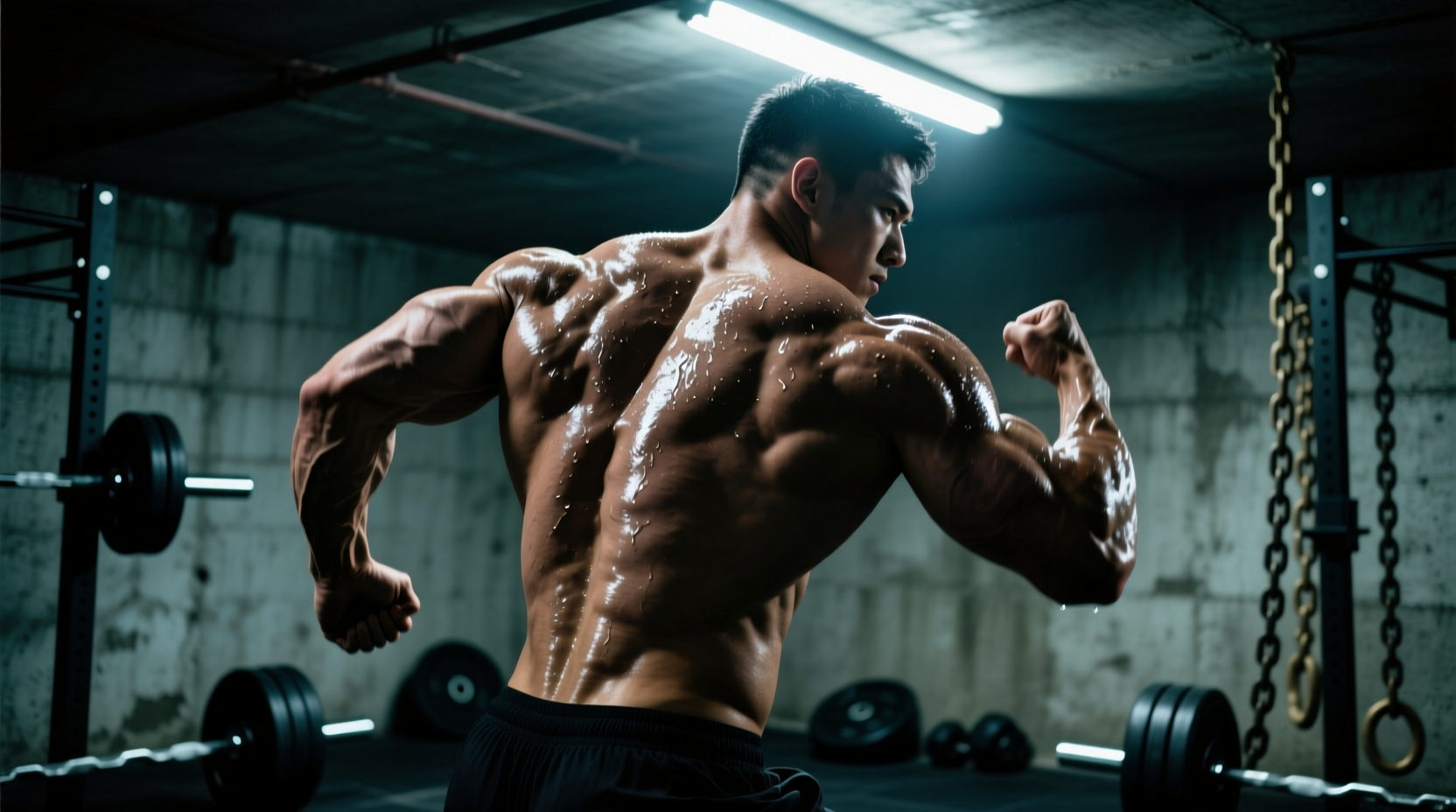
Light doesn’t just illuminate—it sculpts. In body photography, especially with highly defined musculature, light becomes the chisel that carves out visual depth. Hard light creates sharp contrasts and pronounced shadows, ideal for accentuating abs, deltoids, and back detail. Soft light, on the other hand, wraps gently around the body, reducing harshness but potentially flattening definition if overused.
The key is balance: using controlled contrast to enhance muscle separation without losing detail in shadows or blowing out highlights. Directionality plays a crucial role. Side lighting, for instance, casts long shadows along muscle fibers, revealing texture and volume. Front lighting minimizes shadows but can appear flat unless layered with rim or accent lights.
Essential Lighting Setups for Maximum Definition
There is no universal setup, but several proven configurations consistently deliver high-impact results. These rely on modifying intensity, direction, and quality of light to match the physique and intent.
1. Rembrandt Lighting with a Grid Spot
This classic portrait technique takes on new life with muscular subjects. A single key light placed at 45 degrees creates a signature triangle under one eye while casting deep, diagonal shadows across the chest and torso. Adding a grid spot refines the beam, preventing spill and increasing contrast. This setup emphasizes facial structure and upper body mass simultaneously.
2. Cross-Lighting with Two Hard Sources
Position two hard lights (e.g., bare bulbs or focused fresnels) at opposing 45-degree angles from the subject. This cross-lighting technique produces overlapping shadows that enhance three-dimensionality. It’s particularly effective for back poses, where latissimus dorsi spread and spinal erectors benefit from dual directional emphasis.
3. Rim Lighting for Separation
A backlight or hair light, positioned behind and slightly above the subject, creates a glowing outline along the shoulders, arms, and head. Known as rim lighting, this technique separates the subject from the background and adds drama. Use a snoot or grid to control spill and focus the edge glow precisely where needed.
“Muscle isn’t just built in the gym—it’s revealed through light. One degree off in your key light can hide a year of training.” — Marcus Bell, Fitness Photography Director at *Iron Vision Studios*
Step-by-Step Guide: Crafting a High-Impact Muscle Shoot
- Pre-Shoot Assessment: Evaluate the subject’s strongest muscle groups. Are quads deeply etched? Is the V-taper exceptional? Tailor lighting to highlight strengths.
- Choose Background: Opt for neutral or dark backdrops to avoid distraction and enhance contrast.
- Set Key Light: Begin with a hard source at 45 degrees to the subject’s dominant side. Adjust height to follow natural muscle lines—higher for shoulders, lower for legs.
- Add Fill (Minimal): Use a reflector or low-powered fill light only to lift shadows slightly. Avoid eliminating shadows entirely—they define shape.
- Incorporate Rim Light: Position behind subject, aim toward shoulder line. Use grids to prevent front spill.
- Test & Refine: Shoot test frames, zoom in on muscle detail, adjust light angle by small increments until striations “pop.”
- Shoot in Sequence: Capture each pose under consistent lighting, then tweak for dynamic variations (e.g., harder shadows for dramatic effect).
Do’s and Don’ts: Lighting Dos and Critical Errors
| Do’s | Don’ts |
|---|---|
| Use hard light for abdominal definition and vascularity | Overuse softboxes that flatten muscle contours |
| Angle lights to follow muscle fiber direction | Place key light directly in front, causing shadow loss |
| Employ negative fill (black flags) to deepen shadows | Rely solely on ambient room light |
| Adjust height of lights based on target muscle group | Ignore light falloff across large physiques |
| Use polarizing filters to manage specular highlights on oiled skin | Apply excessive oil, creating distracting glare |
Real Example: Transforming a Standard Pose with Precision Lighting
Derek, a competitive bodybuilder, arrived for his portfolio shoot with exceptional conditioning—but initial test shots lacked impact. His side chest pose wasn’t conveying the full sweep of his pectorals. The photographer switched from broad soft lighting to a focused 7-inch reflector with a grid, positioning it slightly above and to the side. Instantly, the shadow beneath the pectoral created depth, and the intercostal muscles became visible. A second rim light was added to separate his arm from the background. The final image showcased not just size, but anatomical precision—earning Derek top placement in a digital fitness contest.
Advanced Techniques for Editorial Impact
Beyond standard setups, advanced photographers use creative methods to push visual boundaries:
- Chiaroscuro Effect: Extreme contrast between light and dark, inspired by Renaissance painting. Ideal for black-and-white body art series.
- Colored Gels for Mood: Deep blue or amber gels can add emotional tone—cool for isolation, warm for energy—without compromising muscle clarity.
- Moving Light During Exposure: Slight panning of a focused light during a long exposure can create dynamic streaks along muscle lines, adding motion and intensity.
- Backlighting Through Diffusion: Placing a strong source behind a translucent screen and the subject creates a halo effect, ideal for silhouette-based hero shots.
These techniques require precise control and confidence in manual settings, but when executed well, they elevate a physique from impressive to iconic.
Frequently Asked Questions
What’s the best light modifier for showing muscle striations?
A focused reflector or grid spot provides the directional control needed to cast fine shadows along muscle fibers. Avoid large softboxes, which diffuse light too broadly and reduce definition.
Should I use oil on the subject’s skin?
Yes, but sparingly. A light coat enhances skin reflectivity and makes veins and separations more visible. Use non-greasy, camera-safe oils and wipe excess to prevent hotspots. Combine with polarizing filters to manage glare.
How do I avoid blown-out highlights on sweaty or oiled skin?
Monitor your histogram and use spot metering on the brightest areas. Reduce light intensity or use diffusion scrims. Post-processing recovery has limits—expose conservatively to preserve highlight detail.
Final Checklist Before Every Shoot
- ✅ Confirm subject’s peak condition and hydration level
- ✅ Select backdrop that complements skin tone and contrast needs
- ✅ Test all lights for consistency and flicker-free output
- ✅ Position key light to accentuate strongest muscle group
- ✅ Add rim or accent light for dimensional separation
- ✅ Use reflectors or black flags to fine-tune shadow density
- ✅ Shoot test frames and review at 100% zoom for detail clarity
- ✅ Communicate pose adjustments based on real-time lighting feedback
Conclusion: Light as the Final Rep
Every drop of sweat, every early morning, every heavy set culminates in how the body appears under light. Mastering these techniques isn’t about technical prowess alone—it’s about respect for the craft of both bodybuilding and photography. With deliberate lighting, you don’t just capture a muscle man; you reveal the dedication behind the definition. Now, step into your studio, refine your setup, and make every shadow tell a story of strength.




 浙公网安备
33010002000092号
浙公网安备
33010002000092号 浙B2-20120091-4
Comments
No comments yet. Why don't you start the discussion?