
In the evolving world of search engine optimization, generic keywords are no longer enough to drive meaningful traffic. As competition intensifies for broad terms like \"shoes\" or \"digital marketing,\" savvy SEO professionals are turning to a more targeted approach—long tail keywords. These specific, multi-word phrases may have lower search volume, but they deliver higher conversion rates, less competition, and better alignment with user intent. Mastering long tail keywords isn’t just an option; it’s a necessity for sustainable SEO success.
Why Long Tail Keywords Matter in Modern SEO
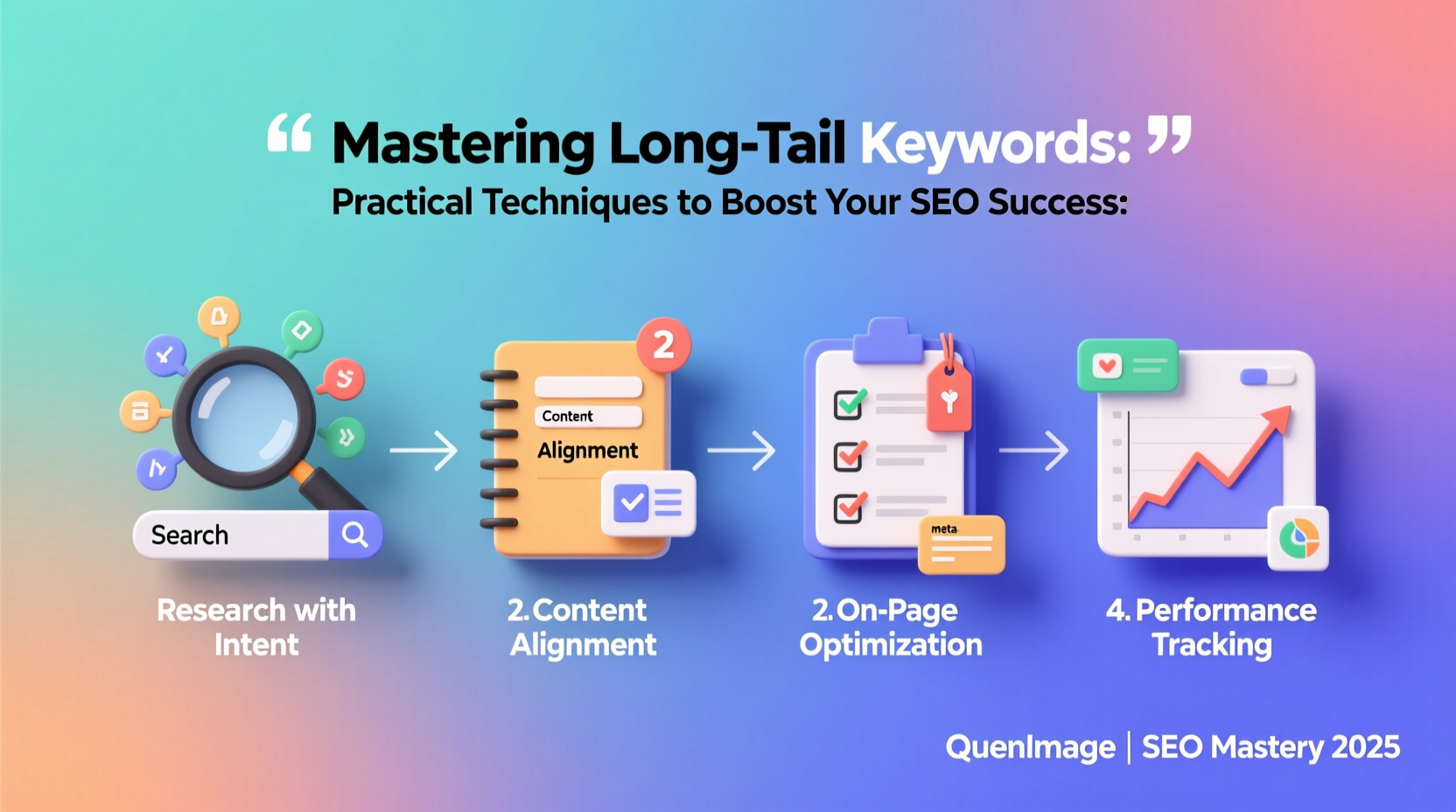
Long tail keywords typically consist of three or more words and reflect a searcher’s precise intent. For example, instead of targeting “yoga mat,” a long tail variation could be “non-slip eco-friendly yoga mat for beginners.” While the first might attract thousands of searches per month, it also draws intense competition and vague intent. The latter, though searched less frequently, indicates someone ready to make a purchase decision.
According to research by Ahrefs, over 70% of all search queries are long tail in nature. Google’s advancements in natural language processing and semantic understanding have made it better at matching these detailed queries with relevant content. This shift means that creating content around long tail phrases is not only effective—it’s aligned with how modern search engines operate.
Step-by-Step Guide to Finding High-Potential Long Tail Keywords
Discovering valuable long tail keywords requires a structured process. Follow this five-step method to uncover opportunities others overlook:
- Analyze Your Audience’s Language: Listen to customer service calls, read product reviews, and scan social media comments. Real people use real language—this is where natural keyword ideas emerge.
- Use Keyword Research Tools Strategically: Tools like Ubersuggest, AnswerThePublic, and Google’s “People Also Ask” section reveal long tail variations. Enter a seed keyword and explore related questions and suggestions.
- Leverage Autocomplete Features: Type your topic into Google and note the dropdown suggestions. These are based on actual user behavior and often include long tail phrases.
- Filter by Search Intent: Classify keywords into informational (“how to fix a leaky faucet”), navigational (“Home Depot official site”), transactional (“buy silicone sealant online”), and commercial investigation (“best waterproof caulk 2024”). Align your content accordingly.
- Prioritize Low Competition, High Relevance: Use SEO tools to assess keyword difficulty (KD). Aim for phrases with KD below 30 when starting out, especially if they directly relate to your niche.
Real Example: How a Small Fitness Blog Doubled Organic Traffic
A fitness blog focused on home workouts struggled to rank for competitive terms like “workout routines” or “lose weight fast.” After auditing their traffic, the team discovered that posts titled “full body workout at home no equipment” and “beginner HIIT routine for women over 40” were gaining traction despite minimal promotion.
They doubled down on this insight, conducting keyword research around age-specific, equipment-free, and goal-oriented phrases. Over six months, they published 15 articles targeting long tail variations such as “15-minute morning workout for busy moms” and “low-impact cardio for knee pain.”
The result? Organic traffic increased by 112%, and average session duration rose from 1.8 to 3.4 minutes. More importantly, email sign-ups from blog readers jumped by 68%, proving that targeted content attracts engaged audiences.
“Long tail keywords are the backbone of intent-driven SEO. They connect users with answers, not just websites.” — Sarah Lin, Senior SEO Strategist at GrowthMatter Co.
Checklist: Optimizing Content for Long Tail Keywords
- ✅ Include the primary long tail keyword in the title tag and H1
- ✅ Use natural variations throughout the body text (avoid stuffing)
- ✅ Answer the query directly within the first 100 words
- ✅ Structure content with clear subheadings (H2, H3) that reflect related questions
- ✅ Add schema markup (FAQ or How-To) to enhance visibility in rich snippets
- ✅ Optimize meta description with the keyword and a compelling call-to-action
- ✅ Interlink to related content using descriptive anchor text
Do’s and Don’ts of Long Tail Keyword Implementation
| Do’s | Don’ts |
|---|---|
| Target keywords with clear user intent | Chase high-volume keywords without considering relevance |
| Create comprehensive content that fully answers the query | Write thin content just to target a keyword |
| Update old posts with new long tail opportunities | Ignore content performance after publication |
| Use synonyms and semantically related terms | Repeat the exact keyword unnaturally |
| Monitor rankings and conversions via Google Search Console | Assume ranking = success without tracking engagement |
Frequently Asked Questions
How many long tail keywords should I target per page?
Focus on one primary long tail keyword per page. You can naturally incorporate 2–4 semantically related secondary keywords, but avoid spreading focus too thin. Clarity and relevance matter more than quantity.
Can long tail keywords help local SEO?
Absolutely. Local businesses benefit greatly from phrases like “emergency plumber in Austin TX” or “vegan bakery near me open now.” These geo-modified long tail queries indicate immediate intent and location specificity, making them ideal for local ranking.
Are voice search and long tail keywords connected?
Yes. With the rise of smart speakers and voice assistants, people speak more conversationally. Queries like “Where can I find organic dog food delivery?” mirror natural speech and are inherently long tail. Optimizing for voice means embracing longer, question-based phrases.
Conclusion: Turn Precision Into Performance
Mastering long tail keywords is not about chasing trends—it’s about serving real people with real problems. By focusing on specificity, intent, and value, you position your content where it matters most: at the intersection of need and solution. The techniques outlined here—from strategic research to on-page optimization—are proven methods used by top SEO practitioners.
Start small. Pick one underperforming page, identify a better long tail keyword, and rewrite it with clarity and depth. Track the results. Then scale what works. SEO success isn’t built overnight, but with consistent application of smart, long tail-focused strategies, your website can become a go-to resource for users—and a favorite of search engines.




 浙公网安备
33010002000092号
浙公网安备
33010002000092号 浙B2-20120091-4
Comments
No comments yet. Why don't you start the discussion?