
Modeling paste—also known as gum paste or flower paste—is a versatile medium widely used in cake decorating, sugarcraft, and edible art. Unlike fondant, it dries firm and is ideal for creating intricate, three-dimensional designs such as lifelike flowers, figurines, and architectural details. While beginners often find it intimidating, mastering modeling paste is achievable with the right tools, techniques, and practice. This guide breaks down everything from preparation to advanced detailing, offering practical insights that elevate your creations from simple to spectacular.
Understanding Modeling Paste: Composition and Uses
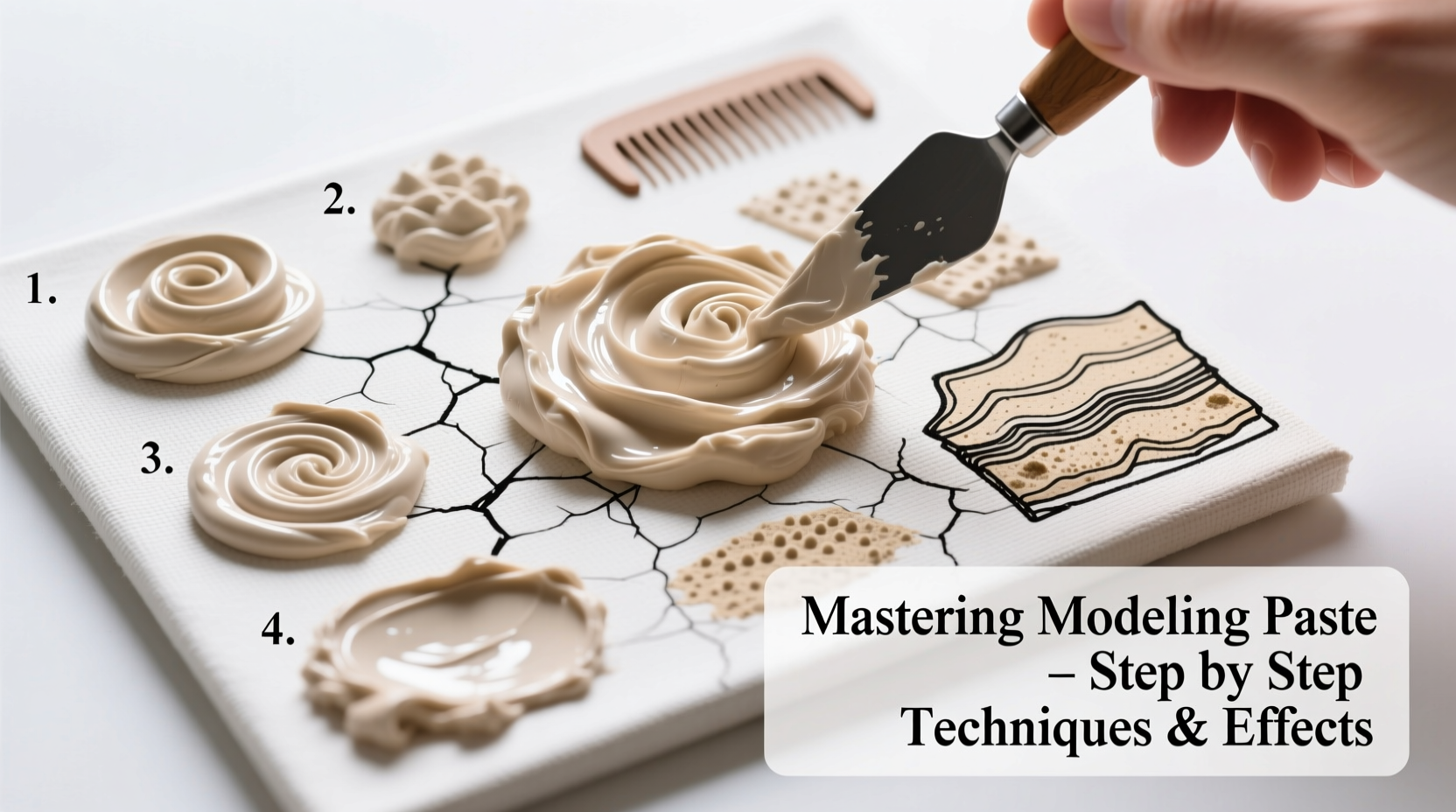
Modeling paste is made primarily from gelatin or gum tragacanth, glycerin, water, and powdered sugar. Its elasticity allows for fine manipulation, while its fast-drying nature ensures structural integrity once shaped. It’s particularly favored for floral work because petals can be thinned dramatically without tearing, capturing delicate textures found in real blossoms.
Common applications include:
- Sugar flowers (roses, orchids, peonies)
- Figurines and character sculptures
- 3D embellishments (wings, crowns, animals)
- Intricate lacework and filigree details
Unlike fondant, which remains pliable, modeling paste hardens completely within 24–48 hours depending on thickness and humidity. This makes it unsuitable for covering entire cakes but perfect for standalone decorative elements.
Essential Tools and Materials
Success with modeling paste depends not only on technique but also on having the right equipment. Here’s a checklist of must-have tools:
- Paste Saver – Airtight container with damp cloth to keep unused paste moist.
- Rolling Pin (Non-Stick) – Preferably with diameter guides for consistent thinness.
- Cutting Wheel or Scalpel – For precise cuts and veining.
- Mold Sets – Silicone molds help replicate complex shapes quickly.
- Shaping Tools – Ball tools, veiners, and stamens for texture and dimension.
- Cornstarch or Tylo Powder – Prevents sticking; Tylo adds strength when mixed into paste.
- Flower Wires and Tape – For assembling stems and attaching petals securely.
“Precision begins with preparation. The better your tools are maintained and organized, the more refined your final piece will be.” — Lila Montoya, Award-Winning Sugar Artist
Step-by-Step Guide to Creating Realistic Sugar Flowers
One of the most admired uses of modeling paste is crafting hyper-realistic sugar flowers. Follow this detailed process to create a classic rose:
- Prepare the Paste: Knead 50g of white modeling paste until soft and elastic. Add a drop of rose-pink petal dust mixed with alcohol for subtle color variation.
- Shape Petals: Roll out small portions to 1–2mm thickness. Cut five teardrop-shaped petals using a template. Use a ball tool to thin edges and cup centers gently.
- Add Veins: Place each petal over a silicone mat and press lightly with a veining tool along the center line.
- Wire the Center: Form a tiny cone from green paste. Insert a 20-gauge wire through the base and secure with glue or royal icing.
- Assemble: Attach smallest petals first around the cone, overlapping slightly. Gradually add larger petals, rotating placement for natural bloom.
- Dry and Finish: Allow the flower to dry upright in a foam block for 12–24 hours. Once set, spray lightly with edible luster dust for sheen.
This method can be adapted for other blooms like calla lilies or dahlias by adjusting petal shape and layer count.
Advanced Techniques for Dimension and Texture
To move beyond basic forms, incorporate these professional techniques:
- Layering with Drying Time: Let inner layers dry slightly before adding outer ones to maintain structure and depth.
- Texture Imprinting: Press lace, fabric, or textured mats into soft paste to mimic skin, bark, or fabric folds.
- Painting Details: Use edible paints or airbrushing to add gradients, shadows, and highlights after drying.
- Combining Media: Blend modeling paste with tylose powder (1/4 tsp per 50g) for stronger, slower-drying versions ideal for large sculptures.
Do’s and Don’ts When Working with Modeling Paste
| Do’s | Don’ts |
|---|---|
| Knead thoroughly before rolling | Leave exposed to open air for long periods |
| Use cornstarch sparingly to avoid drying | Overwork thin sections leading to tearing |
| Dry pieces slowly in a ventilated box | Store near heat sources or sunlight |
| Label colors and batches for consistency | Mix old and new batches unless tested |
Real Example: Crafting a Wedding Cake Topper
Sophie, a home baker preparing her sister’s wedding cake, wanted a custom dove topper symbolizing peace and unity. She began by sketching a simple design, then divided the model into three parts: body, wings, and head.
She used gray-tinted modeling paste reinforced with tylose for durability. The body was shaped first and allowed to dry partially. Wings were rolled thin, textured with a feather imprint mat, and attached at a slight curve. After 24 hours of drying, she painted delicate shading using silver leaf and edible gray dust. The final piece held up beautifully under display lights and survived transport intact.
Her key takeaway? “Letting each section set before assembly prevented collapse. Patience made all the difference.”
Troubleshooting Common Issues
Even experienced crafters encounter setbacks. Here’s how to address frequent problems:
- Crumbling Paste: Indicates dryness. Knead in a few drops of glycerin or shortening to restore flexibility.
- Sticking to Surfaces: Use minimal cornstarch or powdered sugar; consider switching to a non-porous silicone mat.
- Warping During Drying: Dry pieces face-down on foam or use support structures like crumpled tissue paper inside hollow forms.
- Color Bleeding: Avoid liquid food coloring; opt for gel or paste pigments blended evenly during kneading.
Frequently Asked Questions
How long does modeling paste take to dry completely?
Drying time varies based on thickness and environment. Thin petals may harden in 6–12 hours, while thicker sculptures can take 24–72 hours. Low humidity speeds drying; high humidity slows it.
Can I eat modeling paste?
Yes, it is edible, though many find its texture less palatable than fondant due to hardness when dry. Most people remove decorative elements before serving.
How do I store leftover modeling paste?
Wrap tightly in plastic wrap, place in an airtight container, and store in a cool, dark place. Properly stored, it lasts 3–6 months. Avoid refrigeration, which introduces moisture.
Conclusion: Elevate Your Craft One Detail at a Time
Mastering modeling paste opens a world of creative possibility—from elegant floral arrangements to whimsical cake toppers that tell stories. The foundation lies in understanding material behavior, practicing foundational techniques, and embracing incremental improvement. Each petal shaped, each figure sculpted, builds confidence and skill.




 浙公网安备
33010002000092号
浙公网安备
33010002000092号 浙B2-20120091-4
Comments
No comments yet. Why don't you start the discussion?