
In contemporary American homes, rugs are no longer just floor coverings—they’ve evolved into central design elements that define spaces, anchor furniture, and express personal style. Modern American style rugs blend clean lines, neutral palettes, organic textures, and subtle patterns to create inviting, livable interiors. But selecting and placing them effectively requires more than aesthetic instinct; it demands intentionality. Whether you're refreshing a living room or layering texture in an open-concept space, integrating these rugs seamlessly can elevate your entire environment.
Understanding Modern American Rug Aesthetics
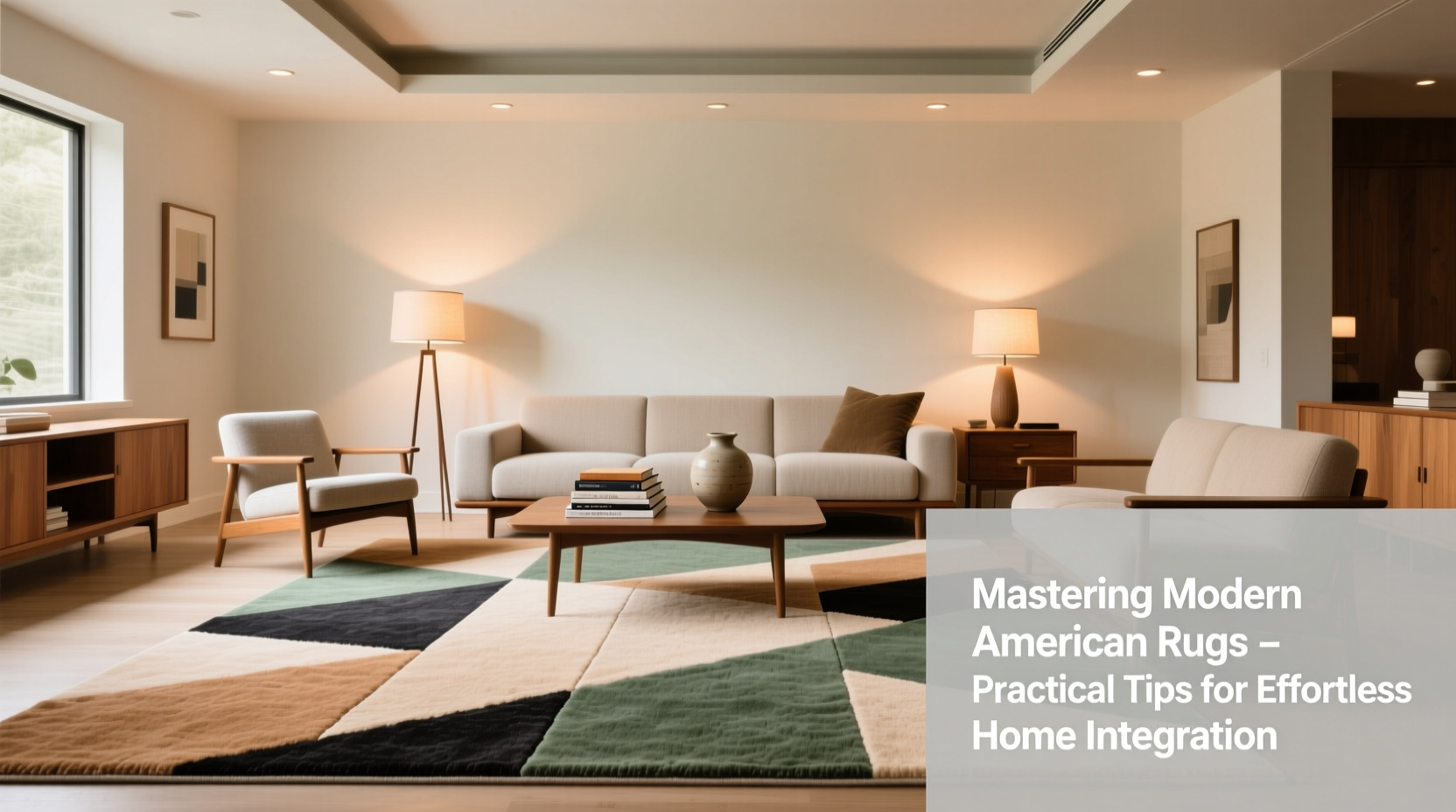
Modern American style is rooted in simplicity, functionality, and comfort. It draws from mid-century modern, Scandinavian minimalism, and industrial influences, favoring natural materials like wool, jute, and cotton. Rugs in this category often feature geometric shapes, tonal variations, and restrained color schemes—think warm grays, beige, olive green, and soft black accents.
Unlike traditional Persian or ornate oriental rugs, modern American designs prioritize subtlety. The goal isn’t to dominate the room but to harmonize with it. This makes them highly versatile across different architectural styles—from lofts with exposed brick to suburban ranch homes.
“Modern rugs work best when they feel like part of the architecture, not an afterthought.” — Lena Torres, Interior Designer at Studio North Collective
Choosing the Right Rug: Material, Size, and Placement
Selecting the right rug involves balancing form and function. Consider foot traffic, room dimensions, and existing furnishings before making a decision.
Material Matters
Different materials suit different lifestyles:
- Wool: Durable, naturally stain-resistant, and soft underfoot—ideal for living rooms and bedrooms.
- Jute & Sisal: Eco-friendly and textured, but less soft and not recommended for high-moisture areas.
- Synthetic Fibers (Polypropylene, Nylon): Affordable, fade-resistant, and perfect for entryways or kids’ rooms.
- Cotton: Lightweight and washable, great for layered looks or casual spaces.
Size and Proportion Guidelines
A common mistake is choosing a rug that’s too small. To avoid floating furniture on bare floors:
- In the living room, ensure all key furniture legs sit on the rug—or at minimum, the front legs of sofas and chairs.
- For dining rooms, extend the rug at least 24 inches beyond the edges of the table to accommodate pulled-out chairs.
- In bedrooms, place the rug so it extends 18–24 inches from the sides of the bed, creating a soft landing for your feet.
| Room Type | Recommended Rug Size | Placement Tip |
|---|---|---|
| Living Room (Standard) | 8' x 10' | All furniture legs should rest on the rug |
| Dining Room | 9' x 12' | Extend 24\" beyond table edges |
| Bedroom (King Bed) | 9' x 12' or 8' x 10' | Centered under bed, sides extending evenly |
| Entryway | 2' x 3' or 3' x 5' | Fits within the entry footprint |
Layering Rugs for Depth and Character
One hallmark of modern American interiors is the artful layering of rugs. This technique adds warmth, visual interest, and a curated feel without clutter.
Start with a larger, flat-woven base rug—such as a jute or seagrass mat—in a neutral tone. Then, layer a smaller, plush rug on top, ideally in a contrasting texture or subtle pattern. For example, a vintage-inspired kilim over a sisal base creates dimension while maintaining cohesion.
The key is balance. Avoid overly busy combinations. Stick to one dominant pattern and keep colors within the same family—earthy tones, muted blues, or warm whites work well together.
“I always recommend starting with texture contrast rather than color clash. Let the materials do the talking.” — Marcus Reed, Home Stylist & Author of *Effortless Spaces*
Step-by-Step Guide to Layering Rugs
- Measure the space and lay down the larger, sturdier base rug first.
- Center the secondary rug slightly off-center for an organic look—usually shifted toward the main seating area.
- Secure the bottom rug with non-slip padding to prevent shifting.
- Use double-sided tape between layers if needed to stabilize.
- Adjust furniture placement to align with the layered zone.
Maintaining Your Rugs for Longevity
Even the most stylish rug will lose its appeal without proper care. Regular maintenance preserves appearance, prevents odors, and extends lifespan.
Vacuum weekly, especially in high-traffic areas. Rotate your rug every six months to distribute wear evenly. For wool or natural fiber rugs, avoid direct sunlight to prevent fading.
Address spills immediately. Blot liquids—don’t rub—and use a mild detergent mixed with water for spot cleaning. For deep cleaning, professional steam cleaning every 12–18 months is ideal.
Real Example: Transforming a Minimalist Living Room
When Sarah Chen moved into her downtown Portland loft, she struggled to soften the concrete floors and white walls without compromising the clean aesthetic. She chose a 9’ x 12’ ivory wool rug with a faint geometric weave in taupe. The rug anchored her modular sofa and coffee table, defining the lounge area in the open-plan space.
To add depth, she later layered a smaller 5’ x 7’ hand-loomed cotton rug with a subtle zigzag pattern near the reading chair. The combination introduced tactile variety while keeping the palette cohesive. Visitors often comment on how “inviting” the room feels—an effect largely credited to the thoughtful rug strategy.
Checklist: Integrating Modern Rugs Successfully
- ✅ Measure your room and furniture layout before shopping.
- ✅ Choose a rug size that supports your furniture arrangement.
- ✅ Select material based on room usage and lifestyle needs.
- ✅ Test color and texture samples in your actual lighting.
- ✅ Use non-slip pads to keep rugs securely in place.
- ✅ Vacuum regularly and rotate every six months.
- ✅ Consider layering for added warmth and style in key zones.
- ✅ Schedule professional cleaning annually for natural fiber rugs.
Frequently Asked Questions
Can I use a modern rug in a traditional home?
Absolutely. A modern rug can serve as a refreshing contrast in a traditional setting. Opt for one with neutral tones and subtle texture to bridge old and new elements without clashing.
How do I prevent my rug from slipping on hardwood?
Always use a high-quality non-slip rug pad. Look for options made from natural rubber or felt-backed materials that grip both floor and rug without damaging surfaces.
Are bold patterns suitable for modern American style?
Yes, but sparingly. Bold geometrics or abstract motifs work when balanced with solid furnishings and a calm backdrop. Limit statement rugs to one per room to maintain visual harmony.
Final Thoughts: Elevate Your Space with Intention
Mastering modern American style rugs isn’t about chasing trends—it’s about making deliberate choices that enhance comfort, function, and beauty in your home. The right rug doesn’t just cover the floor; it grounds your space, guides movement, and reflects your taste. By focusing on proportion, material suitability, and long-term care, you create interiors that feel both current and timeless.




 浙公网安备
33010002000092号
浙公网安备
33010002000092号 浙B2-20120091-4
Comments
No comments yet. Why don't you start the discussion?