
For millions managing diabetes, consistent and accurate glucose monitoring is not just a routine—it’s a lifeline. The One Touch family of blood glucose meters has long stood at the forefront of accessible, reliable testing technology. Yet even the most advanced tools are only as effective as the way they’re used. True mastery lies not in owning the device, but in integrating it seamlessly into daily life while extracting meaningful insights from every reading.
This guide goes beyond the instruction manual. It explores how to use One Touch systems efficiently, interpret results intelligently, avoid common pitfalls, and turn glucose data into actionable health decisions—all with minimal disruption to your lifestyle.
Understanding the One Touch Ecosystem
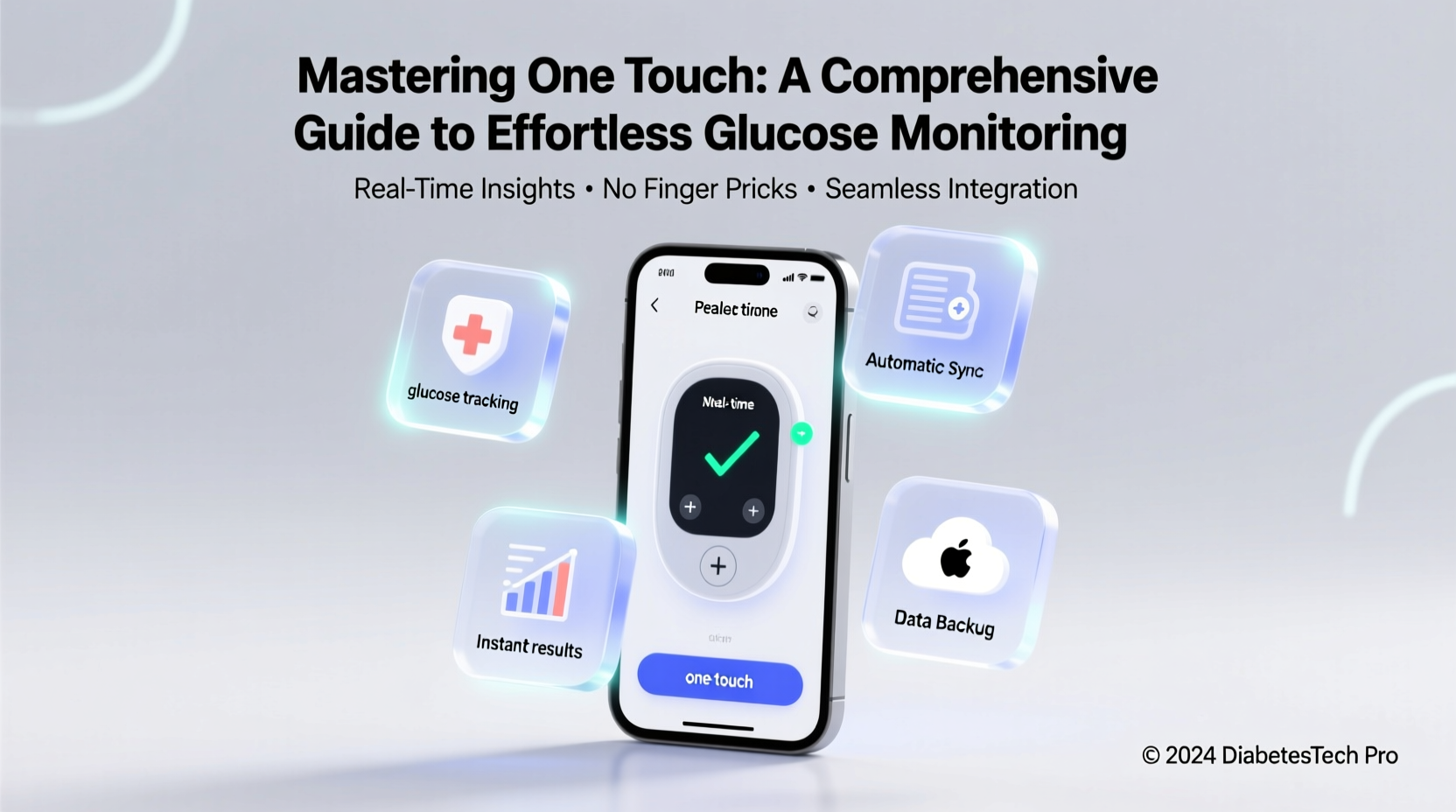
One Touch, developed by LifeScan, offers a range of glucose monitoring systems tailored to different needs—from basic handheld meters to smart devices that sync with mobile apps. Key models include the One Touch Verio Flex, One Touch Ultra, and One Touch Reveal mobile platform. Each shares core principles: accuracy, ease of use, and rapid results (typically within 5 seconds).
The hallmark of the One Touch system is consistency. Test strips are designed for minimal coding errors, many models feature color-range indicators to signal high or low levels at a glance, and some integrate with smartphone apps to track trends over time.
What sets One Touch apart is its focus on user experience. Features like large displays, memory storage for hundreds of readings, and visual trend arrows help users quickly assess their status without needing to log data manually.
Step-by-Step: Optimizing Your Testing Routine
Effortless monitoring doesn’t happen by accident. It requires a streamlined process. Follow this sequence to maximize efficiency and reliability:
- Wash and dry hands thoroughly. Residue from food, lotions, or cleaning agents can skew results.
- Insert a fresh test strip into the meter. Most One Touch models power on automatically when a strip is inserted.
- Lance the side of your fingertip using an auto-lancing device set to an appropriate depth. Avoid squeezing excessively, which can mix blood with interstitial fluid and distort readings.
- Apply a sufficient drop of blood to the strip. The meter will beep or flash once enough sample is detected.
- Wait 5 seconds for the result. Note any trend indicators (e.g., up/down arrows) showing direction of change.
- Log the result if not using a connected app, including context such as meal timing, activity, or symptoms.
- Eject and dispose of the strip safely, and reset the lancing device.
Consistency in timing enhances usefulness. Testing upon waking, before meals, two hours after eating, and before bedtime provides a clear picture of glucose patterns.
Do’s and Don’ts of One Touch Monitoring
| Do’s | Don’ts |
|---|---|
| Wash hands with soap and water before testing | Test with unwashed hands, especially after handling fruit or sugary substances |
| Use control solution monthly to verify meter accuracy | Assume the meter is always accurate without periodic checks |
| Rotate finger sites to prevent calluses | Always test on the same fingertip |
| Carry extra strips and batteries when traveling | Expose strips to extreme temperatures (e.g., leaving them in a car) |
| Review weekly trends using the One Touch Reveal app | Ignore repeated highs or lows without investigating causes |
Real-World Insight: A Day in the Life of Effective Monitoring
Sarah, a 42-year-old teacher with type 2 diabetes, struggled with erratic morning readings despite consistent medication. After logging seven days of pre- and post-breakfast tests using her One Touch Verio Flex, she noticed a recurring spike above 180 mg/dL. Confused, she reviewed her habits and realized she was drinking orange juice daily with breakfast.
She replaced the juice with unsweetened tea and added a 10-minute walk after eating. Within three days, her post-meal readings dropped to between 130–145 mg/dL. The clarity provided by consistent One Touch monitoring allowed her to identify a dietary trigger—and correct it without changing her medication.
This example underscores a critical point: glucose meters are not just diagnostic tools—they are feedback systems. When used regularly and thoughtfully, they empower users to become active participants in their metabolic health.
“Patients who test regularly don’t just manage diabetes—they understand it. That understanding leads to better decisions and fewer complications.” — Dr. Alan Pierce, Endocrinologist and Diabetes Educator
Maximizing Data: From Readings to Results
A single glucose number has limited value. What matters more is context and continuity. Modern One Touch systems support data aggregation through the One Touch Reveal app, which allows users to:
- Track averages over 7, 14, or 30-day periods
- Visualize trends with graphs and pattern recognition alerts
- Share reports directly with healthcare providers
- Set reminders for testing and medication
To get the most from this data, establish a weekly review habit. Look for patterns such as:
- Frequent highs after dinner
- Unexplained drops during afternoon hours
- Consistently elevated fasting levels
Each pattern invites investigation. Was dinner higher in carbs than usual? Did you skip a snack and then exercise? Is stress affecting morning cortisol levels? Correlating numbers with behavior turns abstract data into personal insight.
Essential Checklist for One Touch Users
Stay on top of your monitoring regimen with this practical checklist:
- ☑ Charge or replace meter batteries monthly
- ☑ Verify test strip expiration date before use
- ☑ Run control solution test every new strip vial or monthly
- ☑ Wash hands before each test (no hand sanitizer)
- ☑ Rotate testing sites to prevent skin damage
- ☑ Sync data with the One Touch Reveal app weekly
- ☑ Share monthly reports with your care team
- ☑ Store meter and strips between 40°F and 86°F (4°C – 30°C)
Frequently Asked Questions
Can I use alternate site testing with One Touch meters?
Some One Touch models allow testing on the forearm or palm, but these sites may lag behind fingertip readings during rapid glucose changes (e.g., after meals or insulin). For the most accurate real-time results, especially when hypoglycemia is suspected, the fingertip remains the preferred site.
Why do my One Touch results differ from lab tests?
Home glucose meters are required by FDA standards to be within ±15% of lab results. Small variances are normal. If discrepancies exceed this range consistently, check strip expiration, perform a control solution test, or consult your provider about calibration issues.
How often should I test per day?
Frequency depends on your treatment plan. People on insulin may test 4–6 times daily (fasting, pre-meals, post-meals, bedtime), while those on oral medications or lifestyle management might test 1–2 times per day. Work with your healthcare provider to determine your optimal schedule.
Moving Beyond Monitoring: Toward Mastery
Truly mastering One Touch glucose monitoring means transcending the mechanics of testing. It means developing intuition—knowing how a missed dose, a late-night snack, or a stressful workday will likely affect your numbers before you even test. It means catching trends early, adjusting proactively, and reducing anxiety through confidence in your data.
Technology simplifies the process, but discipline and awareness make it transformative. With consistent practice, the ritual of testing fades into the background, replaced by a continuous, informed dialogue with your body.




 浙公网安备
33010002000092号
浙公网安备
33010002000092号 浙B2-20120091-4
Comments
No comments yet. Why don't you start the discussion?