
Wrist swelling is more than just a cosmetic concern—it can signal underlying health issues ranging from minor injuries to chronic conditions. Whether the swelling appeared suddenly after a fall or developed gradually over weeks, understanding its origin is essential for effective treatment. Left unaddressed, persistent wrist inflammation may lead to reduced mobility, nerve damage, or long-term joint deterioration. This guide breaks down the most frequent causes, recognizable symptoms, and clear warning signs that demand medical attention.
Common Causes of Swollen Wrists
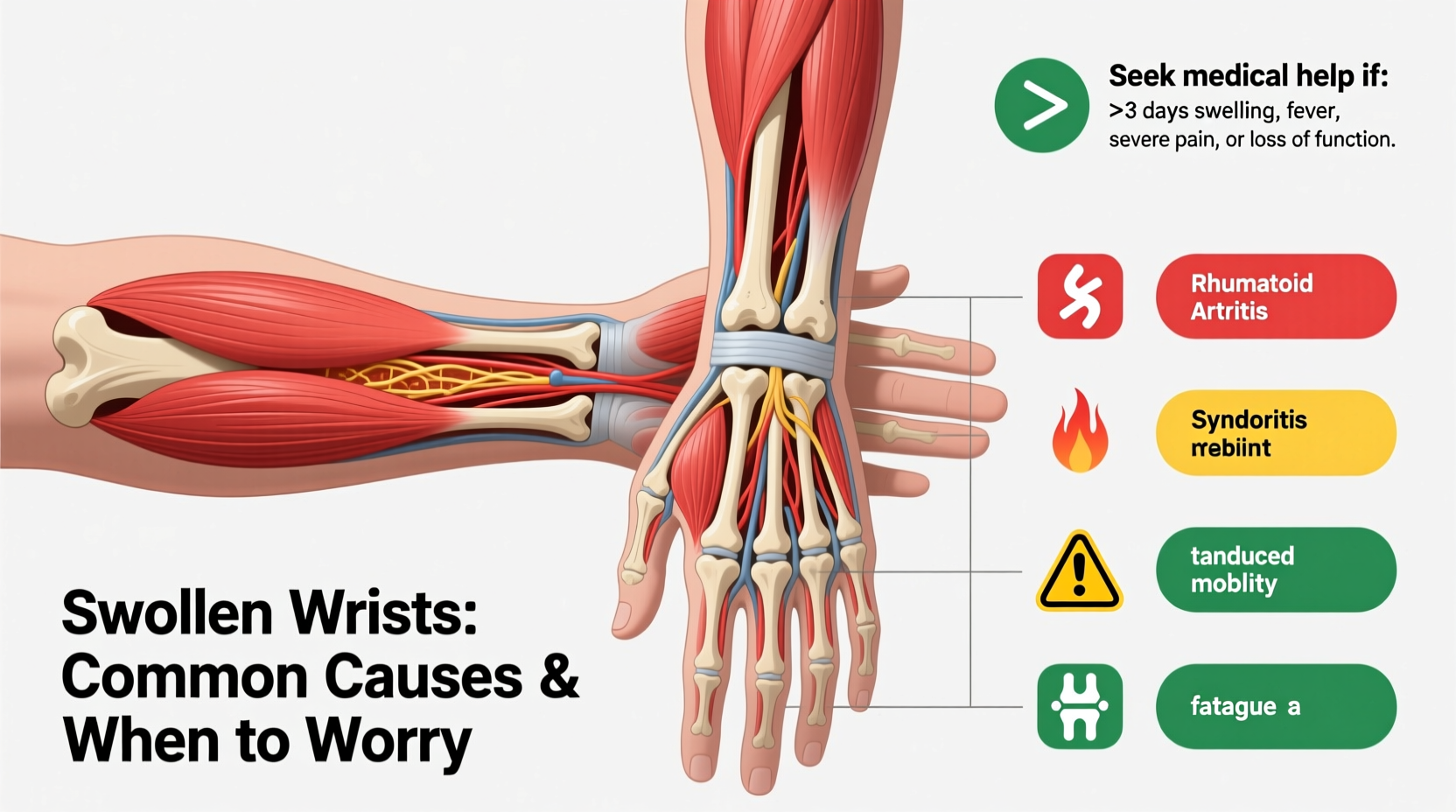
Swelling in the wrist typically results from inflammation, fluid buildup, or injury to soft tissues, joints, or bones. The root cause determines both the severity and appropriate response.
- Repetitive strain injuries (RSI): Frequent typing, using hand tools, or playing musical instruments can inflame tendons, leading to tenosynovitis or carpal tunnel syndrome.
- Arthritis: Osteoarthritis wears down cartilage, while rheumatoid arthritis triggers autoimmune-driven joint inflammation. Both often affect the wrists symmetrically.
- Trauma or sprains: A fall on an outstretched hand may cause ligament tears, fractures, or dislocations, resulting in immediate swelling and bruising.
- Gout and pseudogout: Crystalline deposits (uric acid or calcium pyrophosphate) trigger sudden, painful inflammation, often in cool extremities like wrists.
- Infections: Septic arthritis or cellulitis—though rare—can occur after cuts or punctures near the wrist, introducing bacteria into joints or soft tissue.
- Cysts: Ganglion cysts are benign, fluid-filled lumps that develop near joints or tendons, sometimes causing localized swelling and discomfort.
Symptoms Associated with Wrist Swelling
The presence of swelling alone isn’t enough to diagnose a condition. Pay attention to accompanying symptoms to assess severity.
| Symptom | Possible Cause |
|---|---|
| Pain with movement | Tendonitis, sprain, arthritis |
| Stiffness in the morning | Rheumatoid arthritis |
| Redness and warmth | Infection, gout, inflammatory arthritis |
| Numbness or tingling | Carpal tunnel syndrome |
| Sudden, intense pain | Gout attack, acute trauma |
| Visible lump | Ganglion cyst, lipoma |
Some individuals experience “silent” swelling—noticeable puffiness without significant pain—common in early osteoarthritis or chronic overuse. Others report throbbing pain that worsens at night, especially in cases involving nerve compression or gout.
“Persistent wrist swelling should never be ignored, especially if it’s accompanied by systemic symptoms like fatigue or fever. It could indicate an autoimmune disorder.” — Dr. Alan Reyes, Rheumatologist, Massachusetts General Hospital
When to Worry: Red Flags That Require Medical Attention
Not all wrist swelling demands urgent care, but certain signs suggest a need for prompt evaluation.
Seek Immediate Care If You Experience:
- Fever alongside swollen, warm wrists
- Inability to move the wrist or bear weight on the hand
- Signs of infection: pus, red streaks up the arm, increasing pain
- Numbness or weakness spreading into fingers
- Swelling following a high-impact injury (e.g., car accident or fall)
- Sudden swelling with chest pain or shortness of breath (rare, but could indicate systemic illness)
Systemic conditions like lupus or scleroderma may present with bilateral wrist swelling and skin changes. Similarly, unexplained joint swelling in multiple areas warrants blood testing to rule out autoimmune diseases.
Timeline for Monitoring Mild Cases
- Day 1–2: Apply R.I.C.E. (Rest, Ice, Compression, Elevation). Monitor pain and swelling.
- Day 3–5: If swelling decreases and function improves, continue conservative care.
- Day 6–7: No improvement? Schedule a doctor’s visit. Imaging may be needed.
- After 10 days: Persistent swelling requires diagnosis—don’t delay evaluation.
Diagnosis and Treatment Approaches
A healthcare provider will evaluate your medical history, perform a physical exam, and likely order diagnostic tests.
Common assessments include:
- X-rays to detect fractures or joint damage
- Ultrasound or MRI for soft tissue evaluation (tendons, ligaments, cysts)
- Blood tests to check for markers of inflammation, rheumatoid factor, or uric acid levels
- Joint aspiration—extracting fluid from the wrist—to test for infection or crystals
Treatment depends on the diagnosis:
- Tendonitis: NSAIDs, splinting, physical therapy
- Rheumatoid arthritis: Disease-modifying antirheumatic drugs (DMARDs), biologics
- Gout: Colchicine, allopurinol, dietary adjustments
- Fractures: Casting or surgery, depending on severity
- Ganglion cysts: Observation, aspiration, or surgical removal if symptomatic
Checklist: What to Do When Your Wrist Swells
- Stop using the wrist and avoid repetitive motions.
- Apply ice for 15-minute intervals.
- Elevate the hand above heart level when possible.
- Use an elastic bandage or wrist brace for light compression.
- Take over-the-counter pain relievers like ibuprofen if no contraindications exist.
- Note any additional symptoms (fever, rash, numbness).
- Contact a doctor if swelling persists beyond 5–7 days or worsens.
Real-Life Example: A Case of Misdiagnosed Wrist Pain
Sarah, a 42-year-old graphic designer, noticed her right wrist swelling after several months of long workdays. She assumed it was carpal tunnel and used a wrist brace. Over time, the swelling spread to her left wrist, and she began experiencing morning stiffness lasting over an hour. After three months, she developed fatigue and low-grade fevers. Her primary care physician ordered blood work, which revealed elevated rheumatoid factor and anti-CCP antibodies. An MRI confirmed early erosive changes consistent with rheumatoid arthritis.
With proper medication and occupational therapy, Sarah regained function within six weeks. Her case underscores the danger of self-diagnosing joint swelling—what seemed like overuse turned out to be a systemic autoimmune disease requiring specialized care.
Frequently Asked Questions
Can dehydration cause swollen wrists?
No, dehydration does not directly cause wrist swelling. In fact, fluid retention—often linked to kidney, heart, or liver issues—may contribute to generalized edema, including in the extremities. However, isolated wrist swelling is rarely due to systemic fluid imbalance.
Is it safe to exercise with a swollen wrist?
It depends on the cause. Light activities that don’t involve wrist strain, such as lower-body workouts, may be acceptable. However, exercises requiring gripping, pushing, or bearing weight on the hands (e.g., push-ups, planks) should be avoided until swelling resolves and a diagnosis is confirmed.
How long does wrist swelling usually last?
Mild swelling from minor sprains or overuse often improves within 3–7 days with rest and home care. Chronic conditions like arthritis or untreated tendonitis may cause intermittent swelling lasting weeks or months without proper management.
Conclusion: Take Action Before It’s Too Late
Swollen wrists are a signal—not something to push through. Whether caused by daily habits, injury, or underlying disease, ignoring the symptom risks long-term joint damage and functional loss. Early intervention leads to better outcomes, faster recovery, and improved quality of life. Listen to your body, apply practical care strategies, and consult a healthcare professional when in doubt. Your wrists support nearly every manual task you perform; protecting them is an investment in your independence and well-being.




 浙公网安备
33010002000092号
浙公网安备
33010002000092号 浙B2-20120091-4
Comments
No comments yet. Why don't you start the discussion?