
Effective project planning is the backbone of any successful initiative, whether in construction, software development, marketing, or event management. Without a clear roadmap, even well-resourced teams can drift off course, miss deadlines, or exceed budgets. The difference between a chaotic rollout and a smooth delivery often comes down to how thoroughly the project was planned from the start. A structured approach not only aligns stakeholders but also anticipates challenges, allocates resources wisely, and sets measurable goals.
Define Clear Objectives and Scope
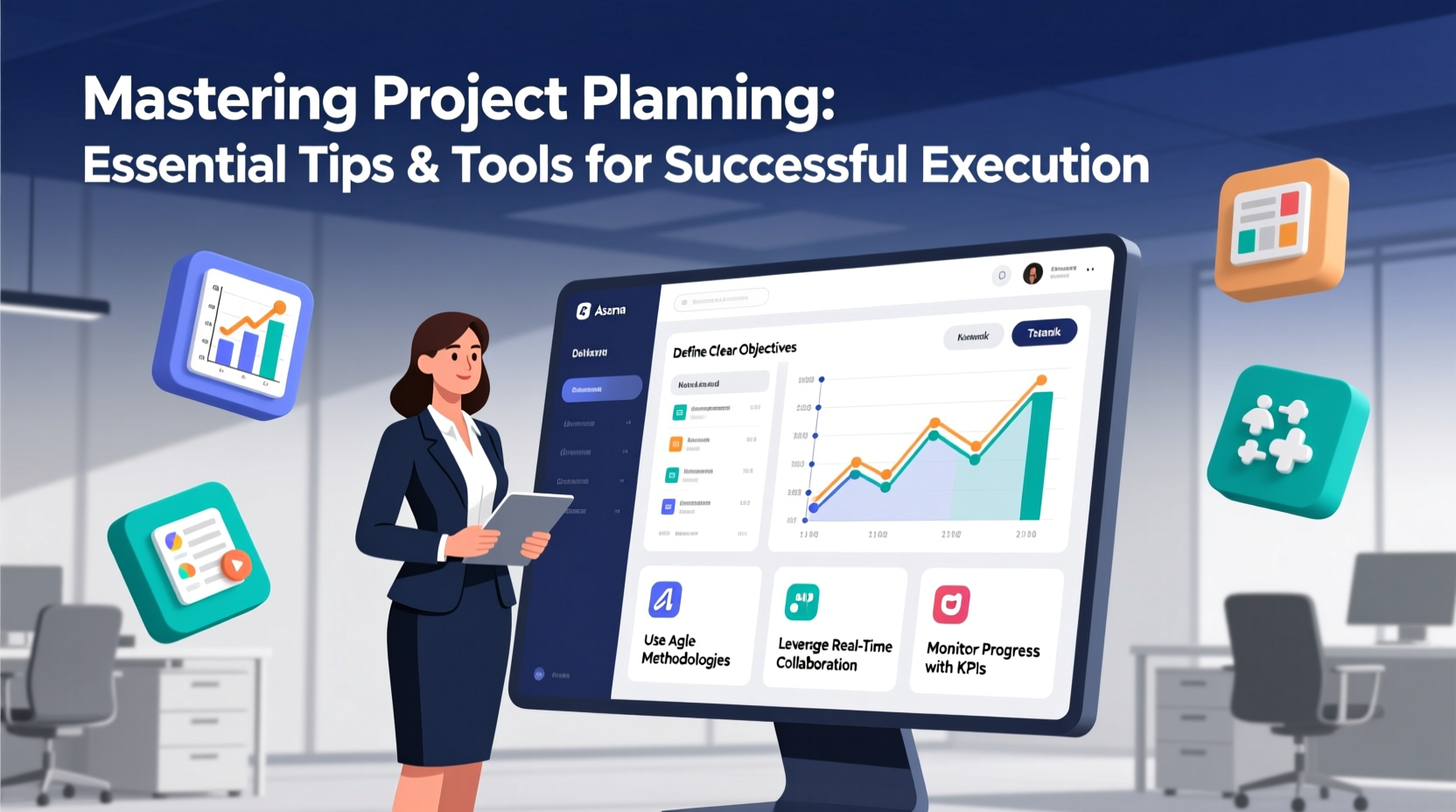
The foundation of any strong project plan begins with clarity. Before assigning tasks or setting timelines, take time to define what success looks like. What are the project’s primary objectives? Who are the key stakeholders? What deliverables are expected, and by when?
A common pitfall is scope creep—when additional features or requests are added without adjusting time or budget. To prevent this, document the project scope explicitly. Use a Project Charter to outline goals, constraints, assumptions, and approval requirements. This document becomes your reference point throughout the project lifecycle.
Create a Detailed Work Breakdown Structure (WBS)
Once objectives are set, break the project into manageable components. A Work Breakdown Structure (WBS) organizes the total scope into smaller, actionable tasks. Think of it as a hierarchical decomposition: major deliverables at the top, broken down into sub-deliverables, then individual tasks.
For example, launching a new website might include high-level phases like “Design,” “Development,” and “Testing.” Each of these can be further divided—“Design” could include wireframing, UI mockups, and client approvals.
This granular view helps in estimating time, assigning responsibilities, and identifying dependencies. It also makes progress tracking more accurate, as completion can be measured task by task.
“Failing to plan is planning to fail. A detailed WBS turns ambiguity into accountability.” — James Reed, PMP-certified Project Manager
Select the Right Project Management Methodology
Not all projects follow the same path. Choosing an appropriate methodology ensures your team works efficiently within the project’s context. Here are three widely used approaches:
- Waterfall: Linear and sequential; ideal for projects with fixed requirements and minimal changes expected.
- Agile: Iterative and flexible; best suited for software development or creative work where feedback loops are critical.
- Hybrid: Combines structured planning with iterative execution; useful when parts of the project are predictable and others require adaptability.
The key is alignment. If stakeholder needs are likely to evolve, Agile offers better responsiveness. For regulatory or compliance-driven projects, Waterfall provides clearer audit trails.
Choosing a Methodology: Decision Table
| Factor | Waterfall | Agile | Hybrid |
|---|---|---|---|
| Requirement Stability | High | Low to Medium | Mixed |
| Timeline Flexibility | Rigid | Flexible | Somewhat Flexible |
| Client Involvement | Periodic | Continuous | Regular Check-ins |
| Best For | Construction, Manufacturing | Software, Marketing Campaigns | Product Launches, R&D |
Leverage Essential Project Planning Tools
Modern project execution relies on digital tools that enhance collaboration, visibility, and control. The right toolset can automate scheduling, track progress, and centralize communication. Consider integrating the following into your workflow:
- Trello: Visual Kanban boards ideal for small teams managing task flow.
- Asana: Task and timeline management with dependency tracking and workload views.
- Microsoft Project: Advanced Gantt charts and resource allocation for complex projects.
- Jira: Tailored for Agile teams using sprints, backlogs, and bug tracking.
- ClickUp: All-in-one platform combining docs, goals, chat, and tasks.
When selecting a tool, assess your team size, technical proficiency, and integration needs. A simple spreadsheet may suffice for short-term initiatives, while enterprise-level projects benefit from robust platforms with reporting and automation features.
Step-by-Step Guide to Building Your Project Plan
Follow this structured process to develop a comprehensive project plan:
- Identify Stakeholders: List everyone impacted by or involved in the project. Understand their expectations and influence.
- Define Goals and Deliverables: Use the SMART criteria to clarify outcomes.
- Develop the WBS: Break the project into phases, deliverables, and tasks.
- Estimate Time and Resources: Assign durations using historical data or expert judgment. Identify required personnel, equipment, and budget.
- Create a Schedule: Use Gantt charts or timeline views to map out task sequences and milestones.
- Assign Roles (RACI Matrix): Clarify who is Responsible, Accountable, Consulted, and Informed for each task.
- Assess Risks: Identify potential issues (e.g., delays, budget overruns) and define mitigation strategies.
- Establish Communication Plan: Define meeting frequency, reporting formats, and channels.
- Get Approval: Present the full plan to sponsors and secure formal sign-off.
- Monitor and Adapt: Track progress weekly, update dashboards, and adjust as needed.
Mini Case Study: Launching a Remote Onboarding Platform
A mid-sized HR tech company aimed to launch a remote employee onboarding platform within four months. Initial enthusiasm led to rapid feature additions, causing confusion among developers and missed deadlines.
The turning point came when the project lead introduced a formal planning phase. They drafted a project charter, defined scope boundaries, and created a WBS using Asana. Tasks were grouped into design, backend development, user testing, and deployment.
Using Agile sprints, the team delivered functional modules every two weeks. Daily stand-ups improved transparency, and biweekly stakeholder demos ensured alignment. By enforcing change control procedures, unnecessary features were deferred to Phase 2.
The platform launched on time, with 95% of planned features completed. Post-launch feedback highlighted intuitive navigation and seamless integration—direct results of disciplined planning.
Essential Planning Checklist
Use this checklist before launching your next project:
- ✅ Defined SMART objectives
- ✅ Documented project scope and exclusions
- ✅ Identified key stakeholders and their roles
- ✅ Created a Work Breakdown Structure (WBS)
- ✅ Selected appropriate methodology (Waterfall, Agile, Hybrid)
- ✅ Chosen and configured project management tool
- ✅ Estimated time, cost, and resource requirements
- ✅ Developed risk register with mitigation plans
- ✅ Established communication and reporting cadence
- ✅ Secured formal project approval
Frequently Asked Questions
How early should I start project planning?
Begin planning as soon as the project idea is approved—even during the proposal stage. Early planning helps identify feasibility, resource needs, and potential roadblocks before commitment.
What if my project requirements change mid-way?
Changes are inevitable. Implement a formal change control process: evaluate impact on time, cost, and quality; get stakeholder approval; then update the plan. Agile frameworks handle this more fluidly than rigid models.
How do I know if my project plan is realistic?
Test it against past performance data. Compare estimated durations with similar tasks previously completed. Involve team members in estimation—they provide ground-level insights that improve accuracy.
Conclusion: Turn Plans into Results
Mastering project planning isn’t about perfection—it’s about preparation. A thoughtful, well-documented plan equips teams to navigate complexity with confidence. It transforms vague ambitions into actionable steps, minimizes surprises, and builds trust with clients and executives alike.
The tools and techniques outlined here are not just for project managers. Anyone leading initiatives—whether a product launch, community event, or internal process improvement—can benefit from structured planning. Start small, apply these principles consistently, and refine your approach with each project.




 浙公网安备
33010002000092号
浙公网安备
33010002000092号 浙B2-20120091-4
Comments
No comments yet. Why don't you start the discussion?