
For those seeking voluminous, bouncy waves without the damage of heat styling, rag curls offer a timeless, low-maintenance solution. Rooted in vintage beauty traditions, this heatless method uses soft fabric strips to shape hair overnight, resulting in soft, natural-looking waves that last for days. Unlike curling irons or hot rollers, rag curls preserve hair health while enhancing texture and body. With the right technique, tools, and a little patience, anyone can achieve salon-quality results at home—no electricity required.
The Science Behind Rag Curls
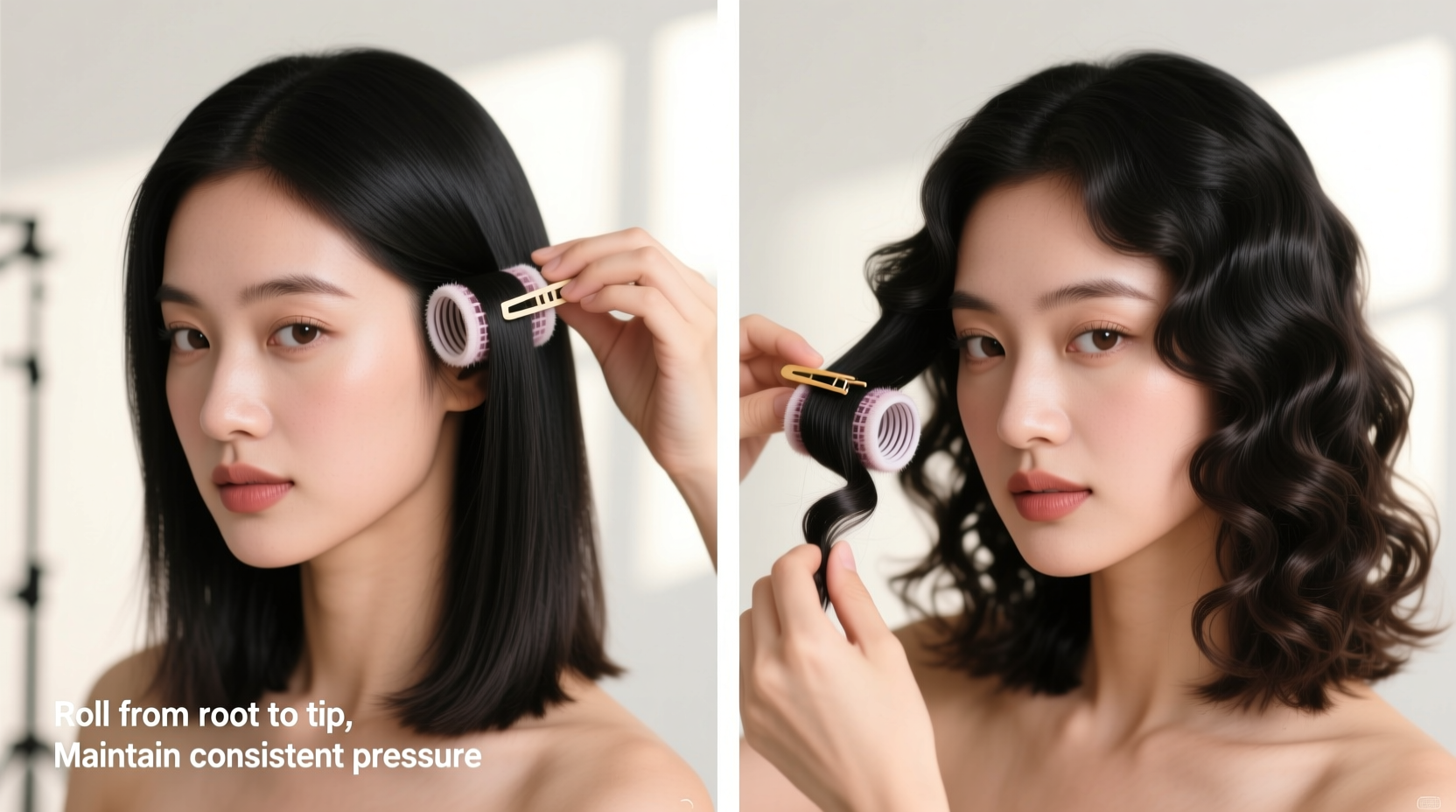
Rag curls work by setting damp hair into tight sections wrapped around fabric strips. As the hair dries, it conforms to the cylindrical shape created by the rag, forming a wave pattern. The absence of heat means no cuticle disruption, reduced frizz, and minimal breakage. This makes rag curls ideal for fine, fragile, or chemically treated hair that can’t withstand daily thermal exposure.
The key to success lies in proper tension, even sectioning, and using absorbent fabric. Cotton strips are preferred because they gently wick moisture from the hair while maintaining enough grip to hold the curl structure. When done correctly, rag curls produce soft spirals or loose beachy waves, depending on the width of the strip and how tightly the hair is wrapped.
“Rag curls are one of the gentlest ways to create long-lasting waves. They’re especially beneficial for curly-haired individuals who want more definition without product buildup or heat stress.” — Dr. Lena Torres, Trichologist & Hair Wellness Consultant
Step-by-Step Guide to Perfect Rag Curls
Follow this detailed process to ensure consistent, well-defined results every time.
- Wash and condition your hair. Start with clean, detangled hair. Use a lightweight conditioner to avoid weighing down strands. Avoid heavy oils or creams that may prevent proper drying.
- Towel-dry to dampness. Squeeze out excess water with a microfiber towel. Hair should be damp—not dripping—to allow for effective setting.
- Apply a light styling product. Use a mousse or curl-enhancing gel (¼ teaspoon for short hair, up to a tablespoon for long hair) to encourage hold and reduce shrinkage.
- Divide hair into even sections. Clip the top half of your hair up. Begin working with the bottom layer. Use a comb to part hair into 1-inch wide sections.
- Cut cotton strips. Use 100% cotton fabric (like old t-shirts or bandanas). Cut into 2-inch wide by 18-inch long strips. You’ll need 12–20 depending on hair length and thickness.
- Wrap each section tightly. Take one section, place a strip at the end of the hair, fold the rag over the ends, then roll upward toward the scalp. Secure the rag by tying a knot at the root. Ensure tension is firm but not painful.
- Repeat until all sections are wrapped. Work from the nape upward, then release the top layers and repeat. For volume, leave the crown looser; for tighter waves, wrap more snugly.
- Sleep on it. Allow hair to dry completely—ideally overnight. Use a satin pillowcase to minimize friction.
- Unwrap gently in the morning. Untie each knot and carefully slide the rag down. Do not brush immediately.
- Loosen and style. Use fingers to separate curls. Flip hair upside down for volume. Finish with a light hairspray or texturizing spray if desired.
Essential Tools and Materials Checklist
- 100% cotton fabric strips (2” x 18”)
- Wide-tooth comb or detangling brush
- Microfiber towel
- Lightweight mousse or curl activator
- Sectioning clips
- Satin or silk pillowcase
- Optional: light-hold hairspray or sea salt spray
Do’s and Don’ts of Rag Curling
| Do | Don’t |
|---|---|
| Use clean, damp hair | Start with soaking wet hair (causes mildew and uneven drying) |
| Section evenly for uniform waves | Skip detangling (leads to knots and breakage) |
| Sleep on a satin pillowcase | Use synthetic fabrics (they slip and don’t absorb moisture) |
| Let curls set fully before removing rags | Pull rags out too early (curls won’t hold) |
| Refresh curls with water + spritz of product on day two | Brush curls immediately after unwrapping (flattens volume) |
A Real-Life Example: Transforming Fine, Flat Hair
Jamila, a 32-year-old teacher with shoulder-length, fine hair, struggled with flatness and lack of texture. She avoided heat tools due to frequent breakage but wanted polished, put-together styles for school. After researching heatless options, she tried rag curls twice a week using cotton strips cut from an old bedsheet.
Within two weeks, she noticed increased body and longer-lasting volume. Her waves held for up to three days with only a quick refresh using water and a pea-sized amount of mousse. “I was shocked at how defined my waves looked,” she said. “And no more fried ends. My hair feels stronger than it has in years.”
By adjusting her wrapping technique—tighter at the roots for lift, looser at the ends for softness—she customized her look for both casual and formal occasions. Now, she teaches her students about sustainable beauty practices, using rag curls as an example of eco-friendly self-care.
Frequently Asked Questions
Can I do rag curls on short hair?
Absolutely. Rag curls work on hair as short as 4 inches. Use narrower strips (1–1.5 inches wide) and shorter lengths (12 inches). Focus on the mid-lengths to ends, wrapping closer to the scalp for root lift. Even bobs and lobs can achieve beautiful bend and movement.
How long do rag curls last?
Well-executed rag curls typically last 2–4 days, depending on hair type and daily routine. To extend wear, sleep on a satin pillowcase, refresh with a water mist, and avoid excessive touching. Fine hair may need a light spritz of flexible-hold spray; coarser textures often hold naturally.
Will rag curls cause hair breakage?
When done correctly, rag curls are among the safest heatless methods. However, tying rags too tightly or using rough fabric can lead to tension and snapping. Always use soft cotton, avoid pulling during wrapping, and never sleep with wet rags if you have a sensitive scalp.
Pro Tips for Maximum Definition and Longevity
- Twist before rolling: For tighter ringlets, twist each section before rolling it up the rag. This creates a spiral effect.
- Vary strip width: Use wider rags (3”) for loose waves, narrow ones (1”) for corkscrew curls.
- Try the “pin curl” hybrid: After removing rags, pin curls at the roots for 30 minutes to lock in volume before flipping.
- Revive day-old curls: Dampen hands slightly, scrunch upward, and apply a texturizing spray. Let air dry.
- Store rags properly: Wash and dry cotton strips after each use. Keep them in a breathable pouch to avoid dust buildup.
Conclusion: Embrace Heatless Beauty with Confidence
Rag curls are more than a nostalgic trend—they’re a smart, sustainable approach to gorgeous, healthy waves. By mastering the technique, choosing the right materials, and following best practices, you can enjoy beautifully defined curls without compromising hair integrity. Whether you’re preparing for a special event or simply want to reduce your reliance on heat tools, rag curls offer a versatile, cost-effective solution.




 浙公网安备
33010002000092号
浙公网安备
33010002000092号 浙B2-20120091-4
Comments
No comments yet. Why don't you start the discussion?