
Sleep is not a luxury—it’s a biological necessity. Despite its critical role in physical recovery, cognitive function, and emotional regulation, millions struggle with poor sleep quality or insufficient rest. The consequences extend far beyond morning grogginess: chronic sleep disruption increases the risk of heart disease, diabetes, depression, and weakened immunity. True mastery of rest goes beyond simply lying in bed; it involves intentional habits, environmental optimization, and a deep understanding of your body’s rhythms. This guide delivers actionable, science-backed strategies to transform your sleep and, by extension, your long-term health.
The Science Behind Restorative Sleep
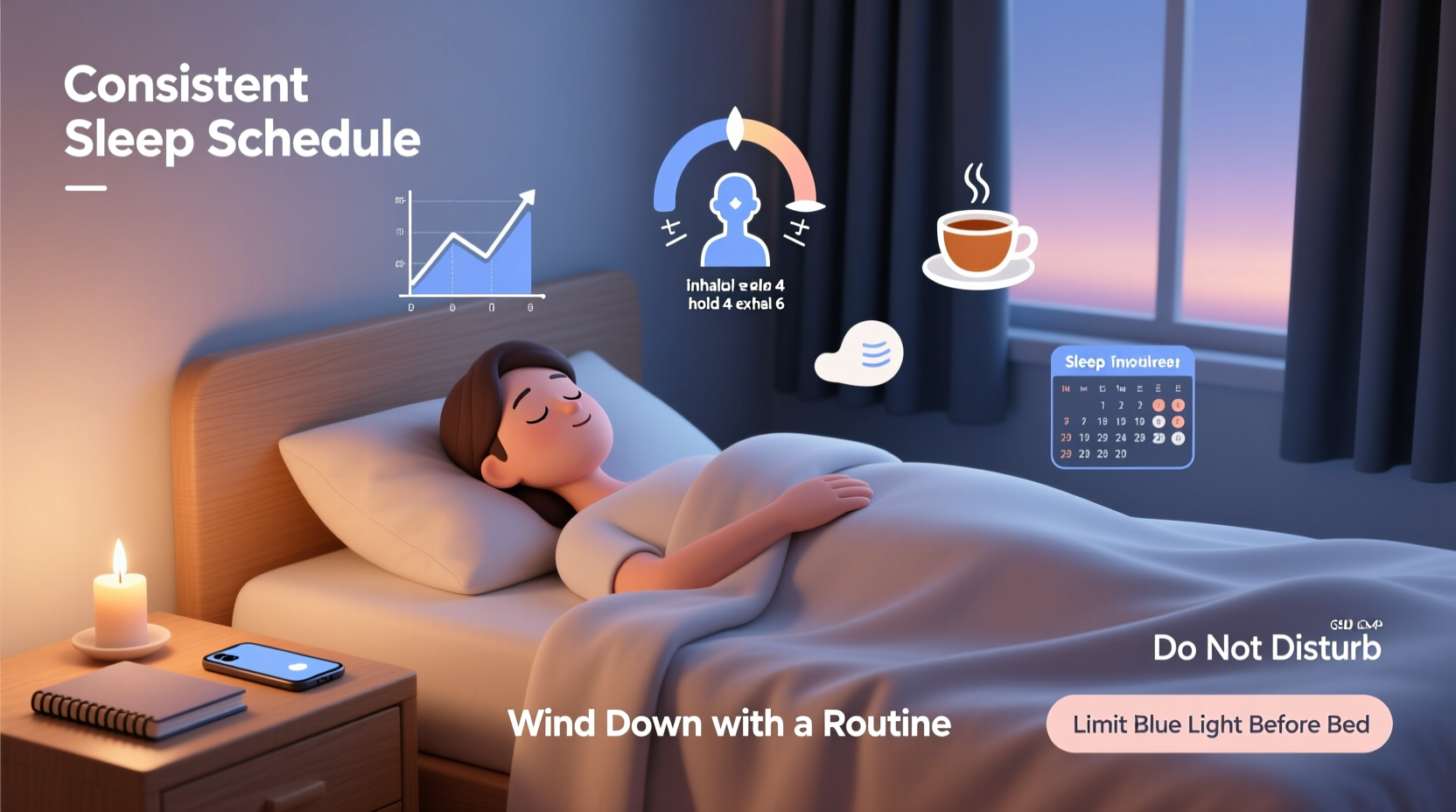
Sleep occurs in cycles lasting approximately 90 minutes, alternating between non-REM (NREM) and REM stages. NREM includes light sleep (stages 1–2) and deep sleep (stage 3), where tissue repair, immune strengthening, and memory consolidation occur. REM sleep, associated with dreaming, supports emotional processing and creativity. For optimal health, adults need 7–9 hours per night, with sufficient time spent in both deep and REM phases.
Disruptions—whether from stress, blue light exposure, irregular schedules, or poor sleep hygiene—can fragment these cycles, reducing restorative benefits. The brain relies on predictable patterns to initiate and maintain sleep. When cues like light, temperature, and routine are inconsistent, the circadian rhythm becomes misaligned, leading to difficulty falling or staying asleep.
“Sleep is the foundation of all health. You can eat perfectly and exercise daily, but without quality sleep, those efforts are undermined.” — Dr. Matthew Walker, neuroscientist and author of *Why We Sleep*
Optimize Your Sleep Environment
Your bedroom should function as a sanctuary for rest, not a multipurpose space. Small changes in lighting, noise, and comfort can significantly influence sleep onset and continuity.
- Light control: Use blackout curtains or an eye mask to block artificial light. Even small amounts of light can suppress melatonin production.
- Noise reduction: Consider earplugs or a white noise machine to buffer disruptive sounds.
- Electronics policy: Remove TVs, laptops, and smartphones. If you use your phone as an alarm, enable “Do Not Disturb” and place it face-down across the room.
- Bedding quality: Invest in a supportive mattress and breathable linens. Replace pillows every 1–2 years to maintain neck alignment.
Establish a Consistent Pre-Sleep Routine
Just as children benefit from bedtime rituals, adults thrive on predictability. A nightly wind-down routine signals to your nervous system that it’s time to shift from alertness to relaxation.
Step-by-Step Guide: The 60-Minute Wind-Down
- 90 minutes before bed: Stop consuming caffeine. Avoid heavy meals and alcohol, which may disrupt later sleep stages.
- 60 minutes before bed: Dim overhead lights. Switch to warm-toned lamps. Begin disconnecting from work-related tasks.
- 45 minutes before bed: Engage in low-stimulation activities—reading a physical book, gentle stretching, or journaling.
- 30 minutes before bed: Practice mindfulness or deep breathing. Try box breathing: inhale for 4 counts, hold for 4, exhale for 4, hold for 4.
- 15 minutes before bed: Turn off screens. Set your thermostat if needed. Get into bed at the same time each night, even on weekends.
Daytime Habits That Influence Nighttime Rest
Sleep doesn’t begin when you lie down—it starts the moment you wake up. Daily behaviors shape your ability to fall and stay asleep.
| Habit | Benefit for Sleep | Practical Tip |
|---|---|---|
| Morning sunlight exposure | Resets circadian clock, improves daytime alertness | Spend 10–15 minutes outside within 30 minutes of waking |
| Regular physical activity | Increases deep sleep duration | Aim for 30 minutes most days; avoid intense workouts within 3 hours of bedtime |
| Limited afternoon napping | Preserves nighttime sleep drive | If needed, nap before 3 PM and keep it under 20 minutes |
| Hydration management | Reduces nighttime bathroom trips | Drink fluids earlier in the day; taper off 2 hours before bed |
Real-Life Example: Transforming Chronic Insomnia
James, a 42-year-old project manager, struggled with insomnia for over two years. He would lie awake for hours, his mind racing with work deadlines. He used his laptop in bed, often watched TV until midnight, and relied on weekend oversleeping to “catch up.” After consulting a sleep specialist, he implemented structured changes:
- Set a fixed wake-up time of 6:30 AM every day
- Replaced evening screen time with reading and herbal tea
- Installed smart bulbs that dim automatically after 8 PM
- Began walking 20 minutes each morning
Within six weeks, James reduced his sleep onset time from 90 to 25 minutes and reported improved focus and mood. His resting heart rate, tracked via wearable, decreased by 8 BPM—indicating lower baseline stress.
Common Sleep Myths Debunked
Misinformation often sabotages good intentions. Addressing misconceptions is key to building sustainable habits.
- Myth: “I can train myself to need less sleep.”
Reality: While some genetic variants allow for shorter sleep, they are extremely rare. Most adults cannot function optimally on less than 7 hours. - Myth: “Alcohol helps me sleep better.”
Reality: Alcohol may induce drowsiness but fragments sleep architecture, reducing REM and deep sleep. - Myth: “If I can’t sleep, I should stay in bed until I do.”
Reality: Lying awake reinforces anxiety around sleep. If unable to sleep after 20 minutes, get up and do something quiet and non-stimulating.
Checklist: Your 7-Day Sleep Reset Plan
Implement these steps over one week to reset your sleep rhythm:
- ✅ Wake up at the same time every day (±15 minutes)
- ✅ Get 10+ minutes of natural light within 30 minutes of waking
- ✅ Avoid caffeine after 2 PM
- ✅ Power down electronics 60 minutes before bed
- ✅ Create a dark, cool, quiet bedroom environment
- ✅ Practice a consistent 30-minute wind-down routine
- ✅ Limit naps to 20 minutes and before 3 PM
Frequently Asked Questions
How do I know if I’m getting quality sleep?
Signs of quality sleep include waking naturally without an alarm, feeling refreshed upon rising, maintaining steady energy throughout the day, and rarely experiencing midday crashes. Wearables can provide data on sleep stages, but subjective well-being is equally important.
Can supplements help improve sleep?
Melatonin may be effective for circadian rhythm disorders (e.g., jet lag or shift work), but it’s not a long-term solution for chronic insomnia. Magnesium glycinate and L-theanine show modest benefits for relaxation. Always consult a healthcare provider before starting supplements, especially if taking other medications.
What should I do if I wake up in the middle of the night?
Stay calm. Avoid checking the time or reaching for your phone. Practice slow breathing or a body scan meditation. If you’re still awake after 20 minutes, move to another room and read a physical book under dim light until sleepy.
Conclusion: Make Rest a Priority, Not an Afterthought
Mastering rest isn’t about perfection—it’s about consistency and intention. Small, deliberate choices compound into profound improvements in health, mood, and performance. Sleep is not time lost; it’s time invested in your body’s renewal and resilience. By aligning your habits with your biology, you reclaim energy, clarity, and longevity. Start tonight: dim the lights, put the phone away, and honor the quiet power of rest.




 浙公网安备
33010002000092号
浙公网安备
33010002000092号 浙B2-20120091-4
Comments
No comments yet. Why don't you start the discussion?