
There’s an enduring appeal in the elegance of bygone eras—whether it’s the structured silhouettes of the 1950s, the bohemian flair of the '70s, or the bold minimalism of the '90s. Vintage-inspired bags bring that nostalgia into modern wardrobes, offering both character and timeless function. But not all retro-style bags are created equal. Choosing the right one requires more than just aesthetic appreciation; it demands attention to detail, material quality, and personal compatibility. This guide walks you through the essentials of selecting, styling, and preserving vintage-inspired handbags so they become lasting staples in your collection.
Understanding the Eras: What Defines True Retro Style?
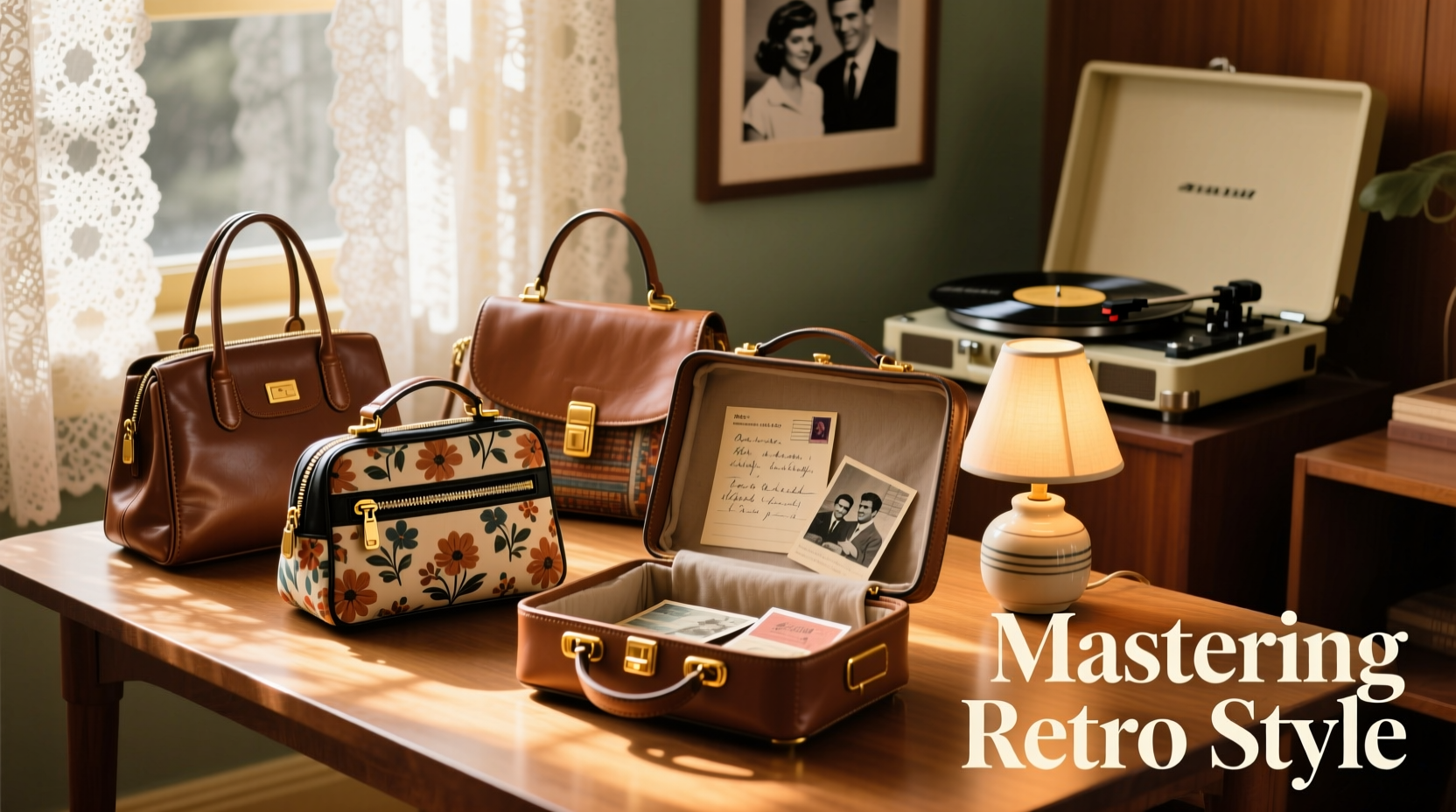
Retro fashion draws from specific decades, each with its own design language. Recognizing these distinctions helps you choose a bag that aligns with your taste and lifestyle.
- 1940s–1950s: Structured top-handle bags with metal clasps, often made of patent leather. Think ladylike elegance, compact shapes, and glove-friendly proportions.
- 1960s: Geometric designs, bold colors, and mod influences. Look for boxy shapes, circular frames, and playful patterns like checkerboard or psychedelic prints.
- 1970s: Earthy tones, fringe details, woven textures, and slouchy hobo silhouettes. Natural materials like suede and canvas dominate this era.
- 1980s: Statement-making bags with oversized hardware, logo mania, and exaggerated proportions. Shoulder bags were king, often in bright hues or metallic finishes.
- 1990s: Minimalist chic—think sleek crossbodies, soft leathers, and neutral palettes. The “it” bag was understated but impeccably crafted.
When shopping for vintage-inspired pieces, knowing which decade resonates with your personal style ensures authenticity and cohesion in your wardrobe.
Key Features to Evaluate in a Vintage-Inspired Bag
A well-designed retro bag balances historical accuracy with modern usability. Here are five critical aspects to assess before purchasing:
- Silhouette Accuracy: Does the shape reflect the original era? A true 1950s satchel should have clean lines and a modest size, not oversized compartments.
- Hardware Quality: Look for substantial zippers, clasps, and chain links. Cheap plastic components undermine both durability and authenticity.
- Material Authenticity: While genuine vintage may use older leathers or fabrics, modern recreations should mimic these with high-quality substitutes like full-grain leather or textured vegan alternatives.
- Interior Functionality: Many vintage styles lacked pockets or phone slots. Ensure the interior layout suits your daily needs—even if the exterior is nostalgic.
- Proportions: Some retro styles run smaller or larger than expected. Always check dimensions against your essentials (wallet, phone, keys, lipstick).
“Authentic retro design isn’t about copying—it’s about capturing the spirit of an era while respecting contemporary utility.” — Lena Torres, Vintage Fashion Curator at The Modern Archive
How to Spot Quality Reproductions vs. Fast-Fashion Fakes
The market is flooded with bags labeled “vintage-inspired,” but many cut corners on craftsmanship. Use this checklist to separate thoughtful reproductions from superficial knockoffs.
| Feature | High-Quality Reproduction | Fast-Fashion Imitation |
|---|---|---|
| Stitching | Even, tight stitches (8–10 per inch), reinforced at stress points | Irregular stitching, loose threads, single-layer seams |
| Leather/Texture | Natural grain, slight variation in tone, develops patina over time | Uniform finish, overly shiny, peels after months |
| Hardware | Metal components with weight, engraved logos, smooth operation | Lightweight plastic or plated metal, scratches easily |
| Lining | Durable fabric (cotton twill, jacquard), securely attached | Thin polyester, prone to tearing, loosely stitched |
| Brand Transparency | Clear origin, materials listed, ethical production claims verifiable | No manufacturing details, vague descriptions like “imported” |
Mini Case Study: From Doubt to Devotion
Sophie, a graphic designer based in Portland, wanted a 1970s-style fringe bag for weekend markets. She bought two: one from a fast-fashion retailer ($45) and another from a small heritage brand ($180). Within six weeks, the cheaper bag’s fringe began detaching, the lining tore near the zipper, and the strap cracked. The second bag, though initially heavier, softened beautifully, retained its structure, and became her go-to accessory. After a year, she still receives compliments—and hasn’t needed repairs. Her takeaway? “The real cost isn’t the price tag. It’s how long the bag earns its place in your life.”
Styling Retro Bags for Modern Life
A vintage-inspired bag shouldn’t feel like a costume. The key is balance: let the bag be the focal point while grounding the rest of your look in current trends.
- Pair a 1950s-style box bag with high-waisted jeans and a crisp white shirt for brunch—timeless yet fresh.
- Use a 1990s minimalist crossbody with an oversized blazer and ankle boots for effortless city wear.
- Style a 1970s suede hobo with a midi dress and chunky sandals to embrace boho warmth without looking dated.
Avoid wearing too many retro elements at once. One standout piece keeps the look intentional rather than thematic.
Care and Maintenance: Preserving the Vintage Vibe
Vintage-inspired doesn’t mean fragile—but proper care extends both beauty and lifespan. Follow this step-by-step routine to keep your bag looking its best.
Step-by-Step Bag Care Timeline
- Weekly: Wipe down surfaces with a dry microfiber cloth. Empty contents and shake out debris.
- Monthly: Clean leather with pH-balanced conditioner. For fabric bags, use a gentle upholstery cleaner.
- Seasonally: Rotate stored bags to prevent permanent creasing. Re-stuff with acid-free tissue paper.
- Annually: Inspect stitching, hardware, and lining. Address minor issues before they worsen.
- As Needed: Store in breathable cotton dust bags—never plastic, which traps moisture.
“Consistent care and proper storage can double a bag’s lifespan.” — Emma Clarke, Fashion Care Expert
Frequently Asked Questions
Are vintage-inspired bags suitable for professional settings?
Absolutely. Opt for structured styles from the 1950s or minimalist 1990s designs in neutral tones like black, tan, or navy. Avoid overly ornate details or loud prints in formal environments.
Can I wear a retro bag with modern streetwear?
Yes—and it creates a compelling contrast. Try a sleek 1960s box bag with an oversized hoodie and sneakers. The juxtaposition highlights both eras and adds depth to your outfit.
How do I know if a bag is truly “vintage-inspired” and not just old-fashioned?
True vintage-inspired bags reference historical design elements while integrating modern ergonomics—such as adjustable straps, lightweight construction, or RFID-safe pockets. If it feels impractical or outdated in function, it may simply be unfashionable, not inspired.
Your Retro Journey Starts Now
Selecting the perfect vintage-inspired bag isn’t about chasing trends—it’s about curating a piece that tells a story. Whether you’re drawn to the polished grace of mid-century design or the free-spirited ease of the '70s, the right bag becomes more than an accessory. It becomes a companion to your days, a reflection of your taste, and a bridge between past elegance and present living.
Start by identifying the era that speaks to you. Then, prioritize quality over quantity. Choose one well-made bag that fits your life, care for it intentionally, and wear it with pride. Over time, you’ll build a collection not of items, but of heirlooms.




 浙公网安备
33010002000092号
浙公网安备
33010002000092号 浙B2-20120091-4
Comments
No comments yet. Why don't you start the discussion?