
Designing a room goes beyond choosing paint colors or placing furniture. It’s about creating an environment that balances aesthetics with usability—where every element serves a purpose while contributing to a cohesive visual narrative. Whether you're redesigning a bedroom, living area, home office, or entryway, thoughtful planning transforms ordinary spaces into personalized sanctuaries. The best-designed rooms don’t just look good; they feel intuitive, inviting, and aligned with how you live.
Understand the Core Principles of Room Design
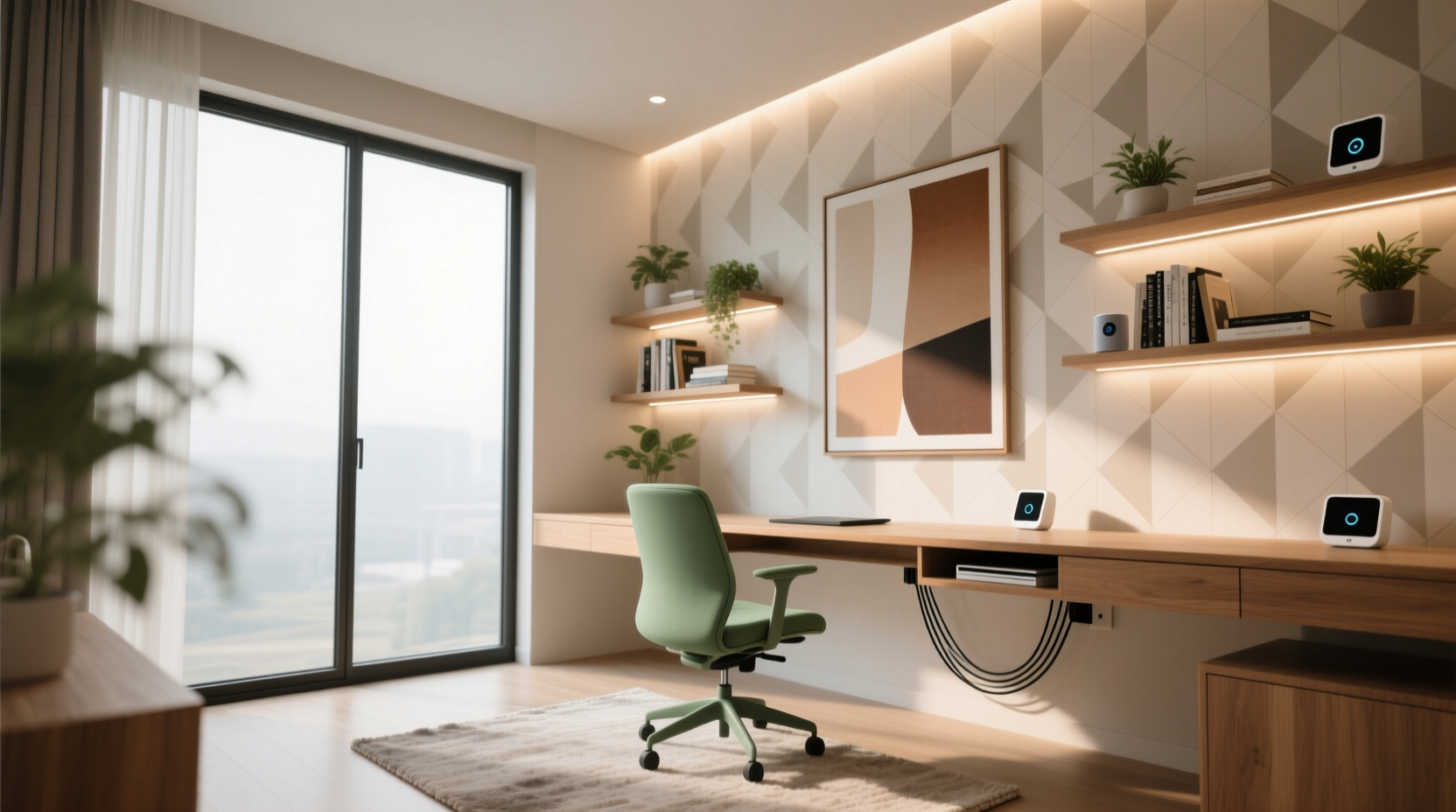
Successful room design rests on five foundational principles: balance, rhythm, emphasis, proportion, and harmony. These aren't abstract concepts reserved for interior designers—they’re practical tools anyone can use to improve their space.
Balance ensures visual weight is evenly distributed. A large sofa on one side of the room might be offset by a cluster of smaller pieces—a chair, side table, and floor lamp—on the other. Rhythm guides the eye through repetition of patterns, colors, or shapes. For example, repeating a navy blue accent in throw pillows, artwork, and a rug creates flow.
An emphasis point, like a statement wall or fireplace, anchors the room. Without it, the space can feel scattered. Proportion refers to scale—ensuring furniture fits the room size. A massive sectional in a small apartment living room overwhelms; conversely, tiny furniture in a large hall feels lost. Finally, harmony ties everything together through consistent style, color palette, or material choices.
Create Functionality Through Zoning and Flow
Every room should support its intended activities—sleeping, entertaining, working, relaxing—but many fail because they lack clear zones. In open-plan areas especially, defining distinct areas prevents visual chaos and improves usability.
Use rugs, lighting, and furniture arrangement to carve out zones. For instance, in a studio apartment, a low bookshelf can subtly separate the sleeping area from the living zone without blocking light. Orient seating to face focal points like windows or fireplaces, and leave at least 30 inches of clearance around walkways to ensure smooth traffic flow.
Consider daily routines when planning layout. If you read before bed, position a reading chair near natural light and pair it with a dedicated floor lamp. Need a workspace? Avoid placing a desk directly opposite a distracting TV or high-traffic hallway.
“Functionality isn’t sacrificed for beauty—it’s the foundation of lasting design.” — Lena Torres, Interior Architect
Choose a Cohesive Color and Material Palette
Color influences mood and perception of space. Light tones like soft gray, beige, or pale blue make rooms feel larger and airier, ideal for compact areas. Deeper hues such as charcoal, forest green, or navy add warmth and sophistication but should be balanced with lighter accents to avoid heaviness.
Aim for a palette of three to four main colors: a dominant neutral (60%), a secondary shade (30%), and one or two accent colors (10%). This rule applies across walls, furniture, textiles, and decor.
| Room Type | Recommended Colors | Material Pairings |
|---|---|---|
| Bedroom | Cool grays, warm whites, muted lavender | Linen, wool, matte wood finishes |
| Living Room | Earthy terracotta, deep green, navy | Velvet, leather, brass accents |
| Home Office | Sage green, soft blue, warm taupe | Polished wood, metal legs, cotton blends |
| Dining Area | Burgundy, olive, charcoal | Hardwood tables, upholstered chairs, ceramic lamps |
Materials also shape the room’s character. Mixing textures—such as pairing a nubby wool throw with a sleek glass coffee table—adds depth. However, limit material types to three per room to maintain cohesion. Too many textures compete visually and create clutter.
Step-by-Step Guide to Redesigning a Room
Follow this six-step process to transform any room efficiently and effectively:
- Assess Needs and Usage: List all activities the room must support. Is it primarily for relaxation, work, socializing, or storage?
- Measure the Space: Record dimensions, door swings, window locations, and outlet placements. Sketch a simple floor plan.
- Define Your Style: Gather inspiration from magazines or digital platforms. Identify recurring themes—minimalist, mid-century, rustic, etc.
- Select Key Pieces: Choose anchor furniture first (e.g., bed, sofa, desk), ensuring they fit both functionally and stylistically.
- Add Layers: Introduce lighting (overhead, task, ambient), textiles (rugs, curtains, cushions), and personal decor (art, books, plants).
- Edit Ruthlessly: Remove anything that doesn’t serve function or enhance aesthetics. A well-edited room feels intentional and calm.
Real Example: Transforming a Cluttered Home Office
Sarah, a freelance writer, struggled with her small home office. Desks were crammed against the wall, cords snaked across the floor, and shelves overflowed with unrelated items. She felt distracted and unproductive.
After reassessing, she reoriented the desk to face a window, improving natural light and view. She installed cable organizers and added a single floating shelf for essentials. Neutral walls were paired with a warm oak desk and a textured green plant. Task lighting improved focus. Within a week, Sarah reported a 40% increase in concentration and began enjoying her workspace again.
Essential Design Checklist
- ✔ Measure room and furniture before buying
- ✔ Define primary and secondary functions of the space
- ✔ Choose a color scheme with one dominant, one secondary, and one accent color
- ✔ Ensure at least three layers of lighting (ambient, task, accent)
- ✔ Leave 30+ inches of walking space around furniture
- ✔ Use rugs to define zones in open layouts
- ✔ Incorporate personal items that reflect identity (photos, art, souvenirs)
- ✔ Limit decorative accessories to avoid visual clutter
- ✔ Test paint samples on walls under different lighting conditions
- ✔ Re-evaluate the layout every 6–12 months for evolving needs
Frequently Asked Questions
How do I make a small room feel larger?
Use light wall colors, large mirrors to reflect light, multi-functional furniture (like ottomans with storage), and keep floors partially visible. Hanging curtains higher than the window frame also elongates the walls.
Can I mix design styles successfully?
Yes, but maintain consistency through color, texture, or form. For example, pairing a modern sofa with a vintage coffee table works if both share a similar tone or material, like walnut wood or black metal.
How important is lighting in room design?
Extremely. Poor lighting undermines even the best decor. Layer ambient (ceiling lights), task (desk or reading lamps), and accent (wall sconces, picture lights) for full functionality and atmosphere.
Final Thoughts and Call to Action
Mastering room design isn’t about following trends or achieving perfection. It’s about crafting spaces that support your lifestyle, reflect your taste, and adapt over time. The most stylish rooms are those where comfort and clarity come first—where every object has meaning and every corner feels intentional.
You don’t need a big budget or professional help to create a beautiful, functional space. Start with one room. Apply the principles of balance, zoning, and cohesion. Edit with purpose. And remember: great design evolves. It breathes with your life.




 浙公网安备
33010002000092号
浙公网安备
33010002000092号 浙B2-20120091-4
Comments
No comments yet. Why don't you start the discussion?