
Pinch collars, often misunderstood and misused, can be valuable tools in canine training when applied correctly. Also known as prong collars, they are designed to deliver even pressure around the neck—mimicking the way a mother dog might gently correct her pups—without causing harm when used responsibly. However, improper use can lead to physical injury or psychological distress. This guide equips responsible dog owners with the knowledge to use pinch collars safely, humanely, and effectively as part of a broader positive reinforcement-based training strategy.
Understanding the Pinch Collar: Design and Purpose
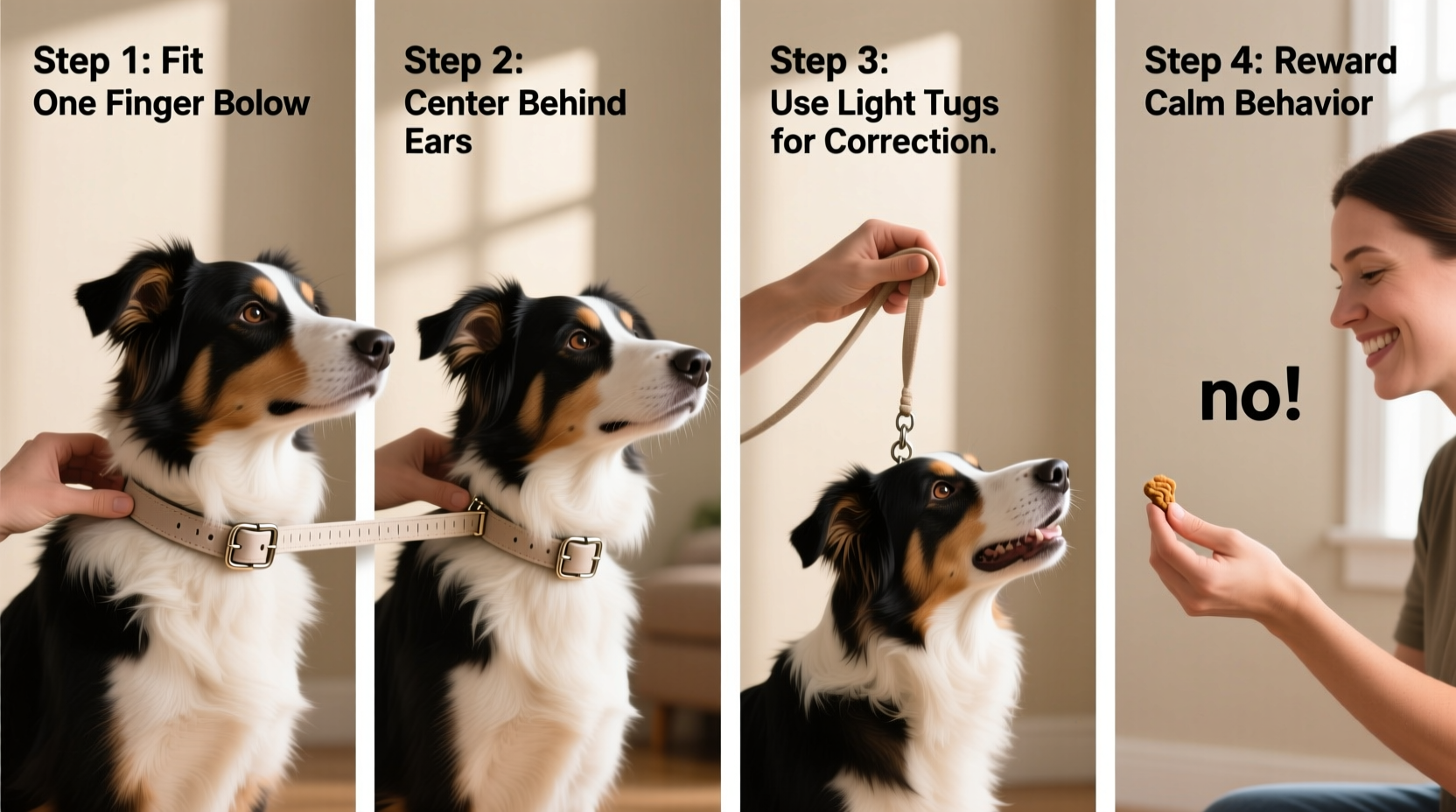
A pinch collar consists of a series of metal links with blunt, inward-facing prongs that rest against the dog’s neck. When tension is applied to the leash, the prongs close slightly, creating a controlled, distributed pressure rather than a choking effect. The design prevents excessive force concentration on any single point, reducing the risk of tracheal damage compared to choke chains.
The primary purpose of a pinch collar is not punishment but communication. It provides immediate feedback during training sessions, helping dogs understand boundaries, especially in high-distraction environments. It should never be used as a permanent wearing collar and must only be applied under supervision during structured training.
When and Why a Pinch Collar Might Be Appropriate
Not every dog needs a pinch collar. They are typically recommended for strong, reactive, or large-breed dogs who pull excessively despite consistent training with harnesses or flat collars. Veterinarians and certified trainers may suggest them as a short-term tool when safety is a concern—for example, preventing lunging at other animals or escaping during walks.
Dr. Sophia Yin, renowned veterinarian and animal behaviorist, emphasized that “tools like pinch collars aren’t inherently cruel, but their effectiveness depends entirely on user knowledge and intent.” Used correctly, they can prevent injuries from constant pulling. Misused, they can erode trust and cause pain.
They are not suitable for puppies under six months, dogs with respiratory conditions, or those with anxiety-driven reactivity unless guided by a professional.
Step-by-Step Guide to Proper Pinch Collar Use
- Select the Right Size and Fit: Measure your dog’s neck and choose a collar that matches closely. The collar should sit high on the neck, just behind the ears and under the jaw—not low near the shoulders.
- Introduce Gradually: Let your dog sniff and examine the collar. Place it on for short periods without tension, pairing it with treats and praise to create a positive association.
- Attach the Leash Correctly: The leash should connect to the live ring (the end opposite the clasp), ensuring the prongs tighten momentarily when corrected and release immediately after.
- Use the “Pop and Release” Technique: Apply a quick, light upward-and-inward tug (never sustained pressure), then release instantly. This mimics natural correction and avoids prolonged discomfort.
- Pair with Positive Reinforcement: Immediately reward desired behavior with treats, toys, or affection. The collar guides; rewards reinforce.
- Limit Use to Training Sessions: Remove the collar after training. Never leave it on unsupervised.
- Monitor Skin and Behavior: Check for redness, sores, or signs of fear. Discontinue use if your dog shows stress or avoidance.
“Effective training isn’t about dominance—it’s about clarity. A pinch collar can offer clear feedback, but only when combined with timing, consistency, and compassion.” — Karen Pryor, Animal Training Pioneer
Do’s and Don’ts of Pinch Collar Training
| Do’s | Don’ts |
|---|---|
| Use only under guidance from a qualified trainer | Never use as a punishment tool |
| Ensure proper fit—snug but not tight | Don’t leave the collar on for extended periods |
| Combine with verbal cues and rewards | Avoid jerking or yanking the leash |
| Inspect regularly for bent prongs or wear | Don’t use on dogs with neck or spine issues |
| Remove immediately after training | Never attach a tie-out cable directly to the pinch collar |
Real-World Example: Training Max, the Reactive German Shepherd
Max, a three-year-old German Shepherd, had a history of lunging at cyclists and barking aggressively on walks. His owner, Sarah, tried harnesses and positive-only methods, but Max remained unresponsive in high-stress situations. Concerned about safety, she consulted a certified behaviorist who recommended a pinch collar as a temporary aid.
Under supervision, Sarah learned the pop-and-release method and paired each correction with a treat when Max broke focus from the trigger. Within four weeks, Max responded reliably to verbal cues. The pinch collar was phased out after two months, replaced by a standard martingale collar. The key was using the tool as a bridge—not a crutch—while building Max’s confidence and self-control through consistent training.
Essential Checklist Before Using a Pinch Collar
- ✅ Consult with a certified dog trainer or veterinary behaviorist
- ✅ Rule out medical issues (e.g., thyroid problems, pain) that could affect behavior
- ✅ Choose a well-made collar with rubber-tipped or smooth prongs
- ✅ Fit the collar properly—high on the neck, one finger clearance
- ✅ Train yourself first—practice timing and leash mechanics
- ✅ Pair every correction with a reward for calm behavior
- ✅ Monitor your dog’s skin and emotional state daily
- ✅ Plan to phase out the collar once reliable obedience is achieved
Frequently Asked Questions
Is a pinch collar cruel?
When used correctly, a pinch collar is not inherently cruel. It distributes pressure evenly and avoids the dangerous choking effect of slip chains. However, misuse—such as jerking, constant tension, or using it on inappropriate dogs—can cause pain and fear. The perception of cruelty often stems from improper application, not the tool itself.
Can I use a pinch collar on a puppy?
No. Puppies under six months should not wear pinch collars. Their bones, joints, and tracheas are still developing. Focus on socialization and positive reinforcement instead. For young dogs needing extra control, consider a front-clip harness or head halter under professional guidance.
How long should I use the pinch collar?
The goal should always be to phase it out. Most dogs require four to eight weeks of consistent training before transitioning back to a flat collar or harness. If you’re still relying on the pinch collar after three months, reassess your training plan with a professional.
Final Thoughts: Responsibility, Not Restriction
Mastery of the pinch collar isn’t about control—it’s about communication. When approached with patience, education, and respect for the animal, it can be a stepping stone toward safer, more enjoyable walks. But it demands accountability. Every tug on the leash sends a message; make sure it’s one of clarity, not fear.
Dog training evolves, and tools should serve the relationship, not dominate it. By combining humane equipment with science-backed techniques, owners empower their dogs to succeed. If you choose to use a pinch collar, do so thoughtfully, temporarily, and with expert support.




 浙公网安备
33010002000092号
浙公网安备
33010002000092号 浙B2-20120091-4
Comments
No comments yet. Why don't you start the discussion?