
In today’s digital landscape, posting sporadically on social media is no longer enough. Brands and creators who achieve meaningful engagement don’t rely on luck—they rely on strategy. Consistent, high-quality content that resonates with an audience doesn’t happen by accident. It’s the result of deliberate planning, clear objectives, and ongoing optimization. Whether you're managing a personal brand, a small business, or a corporate account, mastering content planning is essential for sustainable growth.
Define Your Goals and Audience
Before creating a single post, clarify why you’re on social media. Are you aiming to increase brand awareness, drive website traffic, generate leads, or build community? Each goal shapes the type of content you produce and how you measure success.
Equally important is understanding your audience. Who are they? What challenges do they face? Which platforms do they use most? Create audience personas to guide your tone, topics, and timing. For example, a B2B SaaS company might target marketing managers on LinkedIn with educational threads, while a fitness coach may focus on Instagram Reels aimed at young adults seeking quick workouts.
Choose the Right Platforms Strategically
Not all platforms serve the same purpose. Spreading yourself too thin across every network leads to diluted effort and inconsistent results. Focus on 2–3 platforms where your audience is most active and where your content format thrives.
| Platform | Best For | Content Format | Average Posting Frequency |
|---|---|---|---|
| Visual storytelling, brand identity | Reels, carousels, Stories | 3–5 times/week | |
| TikTok | Viral reach, trend participation | Short-form video, duets | Daily or multiple times/day |
| Professional insights, networking | Articles, long-form posts, polls | 3–4 times/week | |
| X (Twitter) | Real-time engagement, commentary | Threads, quotes, quick updates | Daily or multiple times/day |
Select platforms based on alignment with your goals—not popularity alone. A niche brand might find more traction in Facebook Groups than on trending TikTok sounds.
Build a Content Framework That Works
A strong content framework ensures variety without randomness. One effective model is the 4:1 ratio—four value-driven or entertaining posts for every one promotional message. This keeps your feed helpful rather than sales-heavy.
Break your content into categories such as:
- Educational: Tips, how-tos, industry insights
- Inspirational: Success stories, motivational quotes
- Engagement-focused: Polls, questions, user-generated content
- Promotional: Product launches, offers, events
- Behind-the-scenes: Team culture, process glimpses
“Consistency isn’t about posting every day—it’s about showing up with purpose.” — Jasmine Lee, Social Media Strategist at BrandMaven
Step-by-Step Guide to Weekly Content Planning
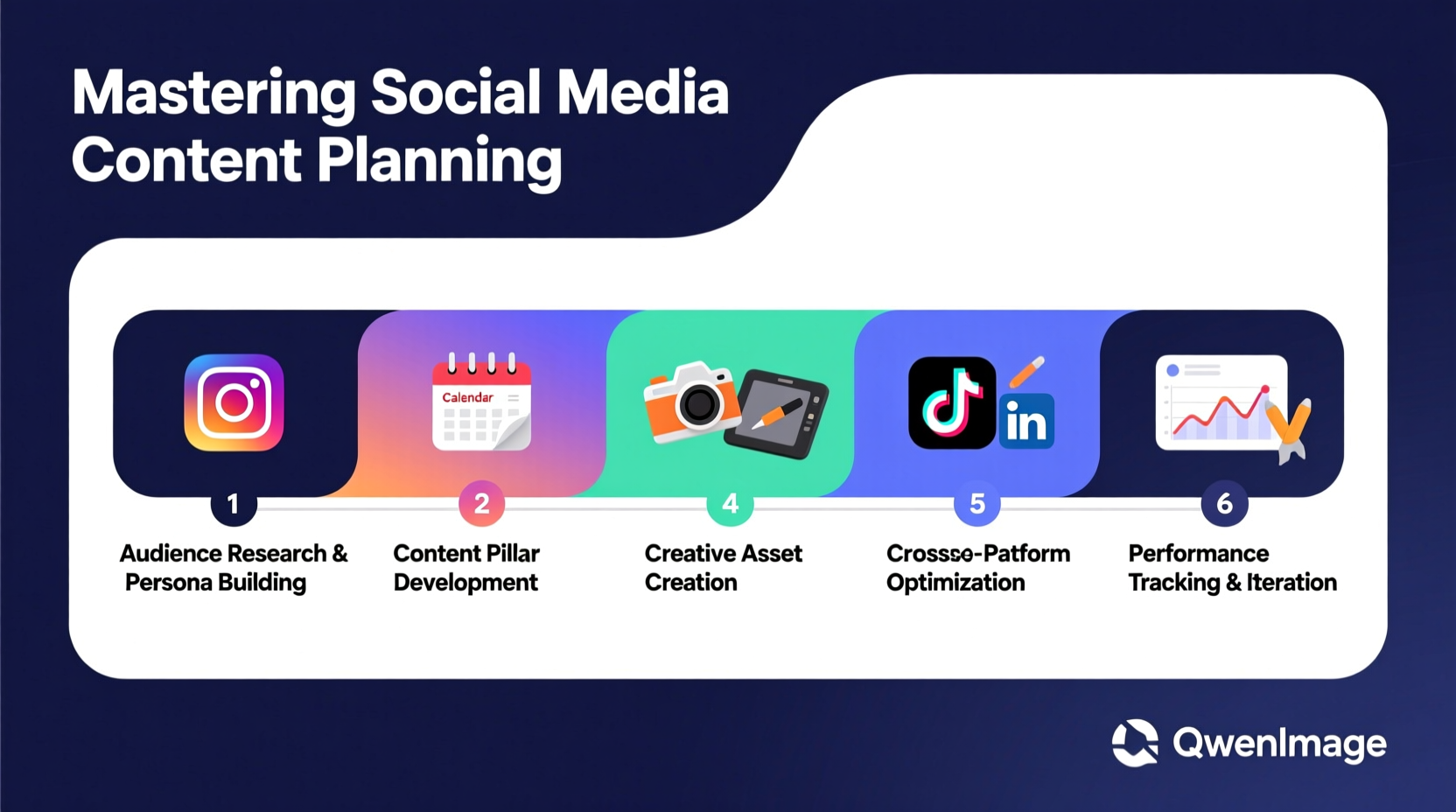
Follow this six-step process each week to maintain momentum and reduce last-minute stress:
- Review analytics: Assess what worked last week—top posts, engagement rates, follower growth. Adjust themes accordingly.
- Brainstorm topics: Align ideas with upcoming events, product cycles, or seasonal trends. Use tools like Google Trends or AnswerThePublic for inspiration.
- Map content to calendar: Assign each post to a specific day and time. Balance formats (e.g., Reel on Monday, carousel on Wednesday).
- Create batch content: Dedicate 1–2 hours to writing captions, designing visuals, or filming clips in bulk.
- Schedule in advance: Use tools like Buffer, Hootsuite, or Later to automate publishing. Ensure timezone accuracy.
- Monitor and engage: Set aside time daily to respond to comments and messages. Engagement fuels algorithmic visibility.
Mini Case Study: How a Local Bakery Grew Engagement by 200%
Sweet Rise Bakery had 1,200 followers but minimal interaction. Their posts were irregular and mostly product photos. After implementing a structured plan, they saw dramatic improvements within three months.
They started by identifying their core audience: local parents and remote workers looking for weekend treats. They committed to Instagram as their primary platform and adopted a weekly theme system:
- Monday: “Mood Board” – aesthetic flat lays with coffee pairings
- Wednesday: “How It’s Made” – short videos of bakers in action
- Friday: “Fan Feature” – reposting customer photos
- Sunday: “Order Reminder” – promo for weekend pickup
Using a scheduling tool, they posted consistently at 9 AM on weekdays. Within eight weeks, engagement rose 200%, and weekend orders increased by 35%. The key wasn’t just frequency—it was predictability and personality.
Essential Tools and Workflow Checklist
To streamline your planning, use this checklist weekly:
- Review last week’s performance metrics
- Identify 3–5 content themes based on audience needs
- Assign content types to specific days
- Batch-create visual assets and captions
- Proofread and approve all posts
- Schedule content using preferred management tool
- Set reminders for daily engagement blocks (15 mins morning/evening)
Recommended tools include Canva for design, CapCut for video editing, Notion for editorial calendars, and Sprout Social for unified analytics and publishing.
Frequently Asked Questions
How far in advance should I plan my content?
Most creators benefit from planning 1–2 weeks ahead. This allows flexibility for timely content while maintaining structure. For campaigns or product launches, plan 4–6 weeks in advance.
What if my content isn’t getting engagement?
First, audit your content mix. Are you asking questions? Using captions to invite responses? Also, check posting times—many accounts underperform because they publish when their audience isn’t online. Run a 7-day experiment adjusting timing and track changes in reach and likes.
Should I repurpose old content?
Absolutely. High-performing posts can be refreshed with new visuals or updated context and reshared 4–8 weeks later. Turn blog posts into carousels, or transform testimonials into video clips. Repurposing maximizes ROI on your best material.
Stay Consistent, Stay Relevant
Social media rewards those who show up with intention. Mastering content planning isn’t about perfection—it’s about progress. By setting clear goals, knowing your audience, structuring your workflow, and refining based on data, you create a foundation for lasting engagement.
The most successful accounts aren’t always the flashiest. They’re the ones that deliver steady value, foster real conversations, and adapt with insight. Start small, stick to your plan, and let consistency become your competitive advantage.




 浙公网安备
33010002000092号
浙公网安备
33010002000092号 浙B2-20120091-4
Comments
No comments yet. Why don't you start the discussion?