
Stand-up comedy is equal parts art and discipline. It’s not just about being funny—it’s about precision, timing, vulnerability, and the courage to step into a spotlight with nothing but your words. For aspiring comedians, the first set can feel like standing on the edge of a cliff. But with the right preparation, structure, and mindset, that leap becomes a launch. This guide breaks down the process of writing, refining, and delivering your debut performance with confidence and clarity.
Start With What You Know
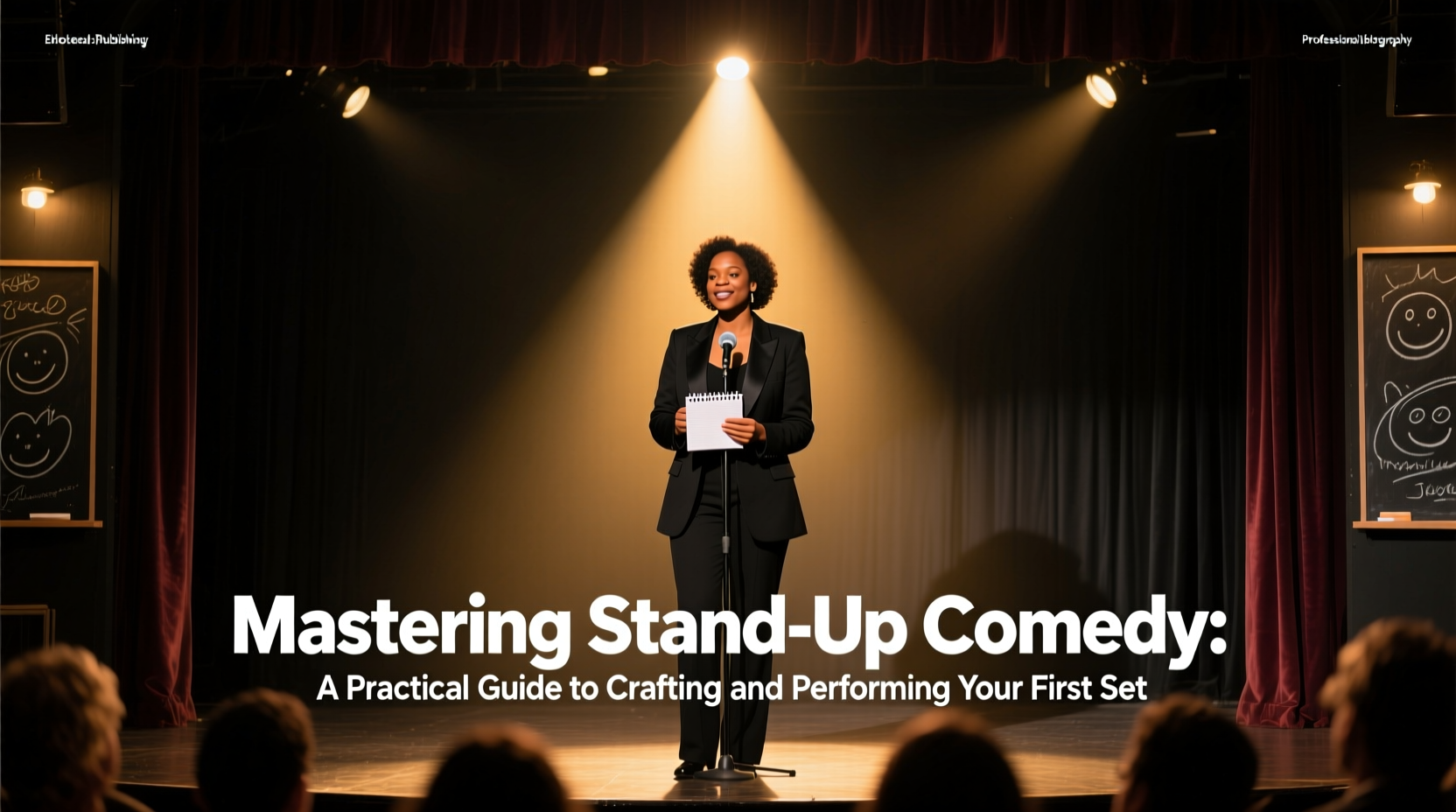
The strongest material comes from personal experience. Audiences connect with authenticity, not exaggeration. Begin by reflecting on moments that made you laugh—awkward encounters, family quirks, workplace absurdities, or even minor frustrations like trying to assemble furniture without instructions. These are fertile grounds for comedy.
Keep a joke journal. Every time something makes you chuckle in real life, write it down. Over time, these fragments evolve into premises. A single line like “My dog judges me more than my therapist” can spiral into a full bit about pet ownership and emotional accountability.
Structure Your Set Like a Story
A successful five-minute set isn’t a random collection of jokes—it’s a narrative arc. Think of it as a mini-performance with a beginning, middle, and end. Structure creates rhythm and gives the audience a reason to stay engaged.
- Opener: Start strong. Use a bold, relatable statement or a surprising observation. Avoid weak openings like “So, uh… I’m new here.” Instead: “I tried online dating. My last match ghosted me during a Google Maps walkthrough of his apartment.”
- Middle: Build momentum with 3–5 well-developed jokes. Group similar themes—relationships, technology, social anxiety—to create cohesion.
- Closer: End with your strongest joke or a callback to your opener. A callback ties the set together and rewards attentive listeners.
The Five-Minute Set Framework
| Section | Duration | Purpose |
|---|---|---|
| Opener | 30–45 seconds | Grab attention, establish persona |
| Body Jokes | 3–4 minutes | Develop themes, build laughter |
| Closer | 30–45 seconds | Peak punchline or callback |
Writing and Rewriting: Comedy Is Rewriting
First drafts are rarely funny. They’re raw material. The magic happens in revision. After writing a joke, ask: Is this clear? Is it surprising? Does it have a twist?
Use the “Rule of Three”—a classic comedic device where two normal items set up expectation, and the third subverts it. Example: “I’ve dated accountants, artists, and someone who claimed to be a ‘professional aura clearer.’ Spoiler: he charged $80 to wave a crystal near my elbow.”
Trim excess words. Comedy thrives on brevity. Replace passive language with active verbs. Instead of “I was feeling kind of nervous,” say “My hands were sweating like they’d betrayed me.” Specificity amplifies humor.
“Great stand-up isn’t about how many laughs you get—it’s about earning them through truth.” — Hari Kondabolu, Comedian and Writer
Practice Like a Performer, Not a Writer
You don’t perform a set—you perform a practiced set. Rehearse out loud, standing up, preferably in front of a mirror or a trusted friend. Pay attention to pacing. Rushing kills punchlines. Leave space after the setup so the audience has time to anticipate—and then land the joke cleanly.
Record yourself. Listen back for awkward pauses, mumbled lines, or unclear phrasing. Adjust accordingly. If a joke doesn’t get a reaction in rehearsal, it likely won’t on stage—unless the issue is delivery.
Mini Case Study: From Open Mic Panic to Stage Confidence
Jamal, a software developer from Chicago, wrote ten minutes of material about office life and bad Zoom calls. At his first open mic, he read from his phone, spoke too fast, and bombed. He left discouraged—but not defeated.
He revised his set, cut three minutes, rehearsed standing up in his living room, and recorded each take. Two weeks later, he returned. This time, he made eye contact, paused after setups, and delivered a killer line about “mandatory fun team-building retreats” that got a genuine laugh. He didn’t crush the room—but he finished strong, earned respect, and booked a second spot.
His breakthrough wasn’t talent; it was persistence and practice.
Your First Open Mic: Checklist for Success
Stepping onto a comedy stage for the first time requires more than material—it demands preparation. Follow this checklist to ensure you’re ready.
- ✅ Write and memorize a tight 5-minute set
- ✅ Rehearse aloud at least 10 times
- ✅ Time your set (stay under 5:30)
- ✅ Research the venue and sign up early
- ✅ Arrive 30 minutes before showtime
- ✅ Dress comfortably but intentionally—your look sets tone
- ✅ Bring water and a printed copy of your set (in case tech fails)
- ✅ Introduce yourself to the host and other comics
Common Pitfalls (And How to Avoid Them)
New comedians often fall into predictable traps. Awareness is the first defense.
| Pitfall | Why It Fails | Solution |
|---|---|---|
| Reading from notes | Breaks connection, feels unprepared | Memorize key phrases; use bullet points if needed |
| Overloading the set | Loses focus, confuses audience | Stick to 3–5 strong ideas |
| Apologizing on stage | Undermines confidence | If you mess up, keep going—no one knows your script |
| Ignoring crowd energy | Forces jokes into dead air | Pause, breathe, adjust timing based on reactions |
Frequently Asked Questions
How do I deal with silence or no laughs?
Silence is part of the process—even legends bomb. Don’t panic. Keep your pace, finish clean, and learn from it. Sometimes a joke needs reworking; other times, the room was just off. Resilience defines a comic more than any single laugh.
Can I use curse words or controversial topics?
You can, but consider context. Open mics vary in tone. If you're unsure, test edgy material in smaller doses. Controversy without purpose rarely works. Offense with insight—like satire on social norms—can land powerfully when grounded in truth.
How long should I wait before doing another set?
As soon as possible. Most comics recommend performing every week, even if just at an open mic. Repetition builds muscle memory, refines timing, and reduces stage fright. Progress compounds quickly with consistent exposure.
Conclusion: Take the Stage
Mastering stand-up comedy begins with a single step: showing up. Writing jokes in private is valuable, but transformation happens under lights, in front of strangers, heart pounding, voice trembling. That moment—when you deliver a line and hear laughter—is irreplaceable.
Your first set won’t be perfect. It might not even be good. But it will be yours. And with each performance, you’ll grow sharper, bolder, and more authentic. Comedy rewards courage, consistency, and craft. Now that you have the tools, there’s only one thing left to do.




 浙公网安备
33010002000092号
浙公网安备
33010002000092号 浙B2-20120091-4
Comments
No comments yet. Why don't you start the discussion?