
Strudel is more than just a dessert—it’s a celebration of texture, tradition, and technique. Originating in Central Europe, particularly Austria and Hungary, the classic apple strudel has become a symbol of culinary craftsmanship. What sets a great strudel apart isn’t just the filling, but the paper-thin, delicate dough that shatters into crisp, buttery layers with every bite. While store-bought versions exist, nothing compares to a homemade strudel made entirely from scratch. This guide walks you through each stage with precision, offering insights, techniques, and tips to help you master this beloved pastry.
The Anatomy of a Perfect Strudel
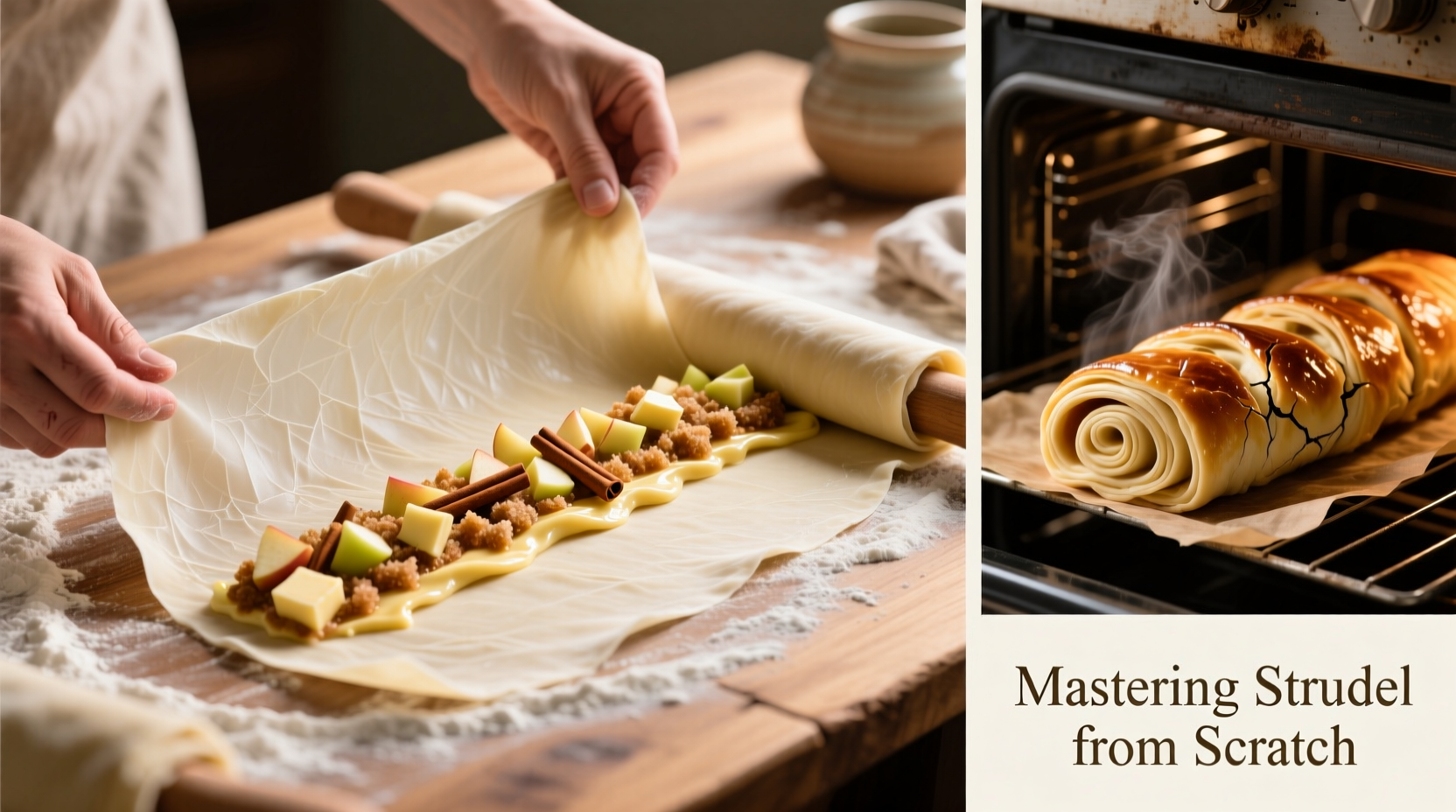
A successful strudel balances three essential components: the dough, the filling, and the assembly. The ideal strudel features a golden, flaky crust wrapped around a warm, spiced fruit core—often apples—but other variations like cherry, pumpkin, or even savory cheese and spinach fillings are equally authentic. The dough must be elastic enough to stretch without tearing yet thin enough to achieve that signature translucence.
Unlike puff pastry or phyllo-based desserts, traditional strudel dough is made from simple ingredients: flour, water, egg, oil, and a pinch of salt. It’s kneaded, rested, stretched by hand, and rolled out to near-transparency. This process requires patience, but the results are unmatched in both flavor and texture.
Essential Ingredients and Equipment
Before beginning, gather all necessary tools and ingredients. Having everything ready ensures a smooth workflow, especially during the critical stretching phase when timing matters.
Ingredients for Classic Apple Strudel Dough (makes one 12x16 inch strudel)
- 2 cups (250g) all-purpose flour
- 1/4 tsp salt
- 1 large egg
- 3 tbsp (45ml) lukewarm water
- 2 tbsp (30ml) neutral oil (e.g., sunflower or vegetable)
Filling (Apple Variation)
- 4–5 medium tart apples (such as Granny Smith), peeled and thinly sliced
- 1/2 cup (100g) granulated sugar
- 1 tsp ground cinnamon
- 1/4 cup (30g) raisins (optional)
- 1/4 cup (30g) toasted breadcrumbs or crushed graham crackers
- 2 tbsp (30g) unsalted butter, melted
- Juice of 1/2 lemon
Equipment Checklist
- Large mixing bowl
- Clean kitchen table or marble slab (for stretching dough)
- Cotton tea towel or cheesecloth
- Baking sheet
- Parchment paper
- Rubber spatula or bench scraper
- Pastry brush
“Strudel dough should be so thin you can read a newspaper through it.” — Josef Binder, Viennese Pastry Master
Step-by-Step Guide to Making Strudel from Scratch
Follow this timeline-based method to create a flawless homemade strudel. Allow approximately 2.5 hours from start to finish, including resting and baking time.
Phase 1: Prepare the Dough (20 minutes + 1-hour rest)
- In a large bowl, mix flour and salt. Make a well in the center.
- Add egg, water, and oil into the well. Using a fork, gradually incorporate the flour from the edges.
- Knead by hand for 8–10 minutes until smooth and elastic. Add a dusting of flour only if overly sticky.
- Shape into a ball, coat lightly with oil, and place in a bowl. Cover with a damp cloth and let rest at room temperature for at least 60 minutes.
Phase 2: Prepare the Filling (While Dough Rests)
- Toss sliced apples with sugar, cinnamon, lemon juice, and raisins (if using).
- In a skillet, toast breadcrumbs in butter until golden. Set aside to cool slightly.
Phase 3: Stretch the Dough (15–20 minutes)
- Lightly flour a clean table or large wooden board. Place the dough in the center and press into a flat disc.
- Using your hands, begin gently stretching the dough outward, rotating it frequently. Work slowly and evenly, using the backs of your hands and knuckles to coax the dough thinner.
- As it stretches, drape it over your fists and continue pulling gently. Aim for a rectangle about 12x16 inches and thin enough to see light through.
- Place a clean cotton cloth underneath to support the dough as it thins.
Phase 4: Assemble and Roll (10 minutes)
- Brush the stretched dough lightly with melted butter.
- Sprinkle the toasted breadcrumbs evenly over the surface, leaving a 1-inch border on all sides.
- Spread the apple mixture horizontally across the center third of the dough.
- Lift the long edges of the cloth to help roll the strudel: fold one long side over the filling, then use the cloth to assist in rolling tightly into a log.
- Seal the ends by folding them inward before completing the roll.
Phase 5: Bake to Golden Perfection (35–40 minutes)
- Transfer the strudel seam-side down onto a parchment-lined baking sheet.
- Brush the top with melted butter and sprinkle with additional cinnamon-sugar if desired.
- Bake in a preheated oven at 375°F (190°C) for 35–40 minutes, until golden brown and bubbling.
- Let cool for 10–15 minutes before slicing to allow the filling to set slightly.
Common Pitfalls and How to Avoid Them
Even experienced bakers encounter challenges with strudel. Below is a comparison of common mistakes and their solutions.
| Do’s | Don’ts |
|---|---|
| Use a cotton cloth to stretch the dough—it provides grip and support. | Don’t use waxed or synthetic surfaces; they cause sticking and tearing. |
| Let the dough rest fully before stretching. | Don’t rush the resting phase—under-relaxed gluten won’t stretch properly. |
| Toast breadcrumbs in butter to absorb excess moisture from the apples. | Don’t skip the breadcrumb layer—it prevents a soggy bottom. |
| Roll the strudel tightly using the cloth for support. | Don’t pull the dough too thin at the ends—leave them slightly thicker for structural integrity. |
Variations and Creative Twists
Once you’ve mastered the basic technique, experiment with different fillings. The same dough works beautifully for both sweet and savory applications.
- Cherry Almond Strudel: Use pitted cherries, almond extract, and chopped toasted almonds.
- Pumpkin Spice Strudel: Combine cooked pumpkin purée with brown sugar, nutmeg, and ginger.
- Savory Spinach & Feta: Sauté spinach with garlic, mix with feta and ricotta, and omit sugar from the dough.
- Apricot & Cardamom: Dried apricots simmered with cardamom pods offer a fragrant twist.
Mini Case Study: From Kitchen Disaster to Café Success
Sophie Müller, a home baker from Salzburg, attempted her first strudel at age 16. Her dough tore repeatedly, the filling leaked, and the result was more “apple pie disaster” than delicate pastry. Instead of giving up, she apprenticed with a local baker, learning the rhythm of dough handling and the importance of controlled humidity in the kitchen. Within two years, she launched a weekend pop-up selling handmade strudels at farmers' markets. Today, her shop sells over 200 strudels weekly, all made using the same hand-stretched method she once struggled with. Her secret? “Practice on low-stakes days. Your fifth attempt will always be better than your first.”
Frequently Asked Questions
Can I make strudel dough ahead of time?
Yes. After the initial rest, wrap the dough tightly in plastic and refrigerate for up to 24 hours. Bring to room temperature before stretching.
Is there a substitute for hand-stretching the dough?
You can roll it very thin with a rolling pin, though it won’t achieve the same delicate texture. Some bakers use a floured countertop and gently pull with fingertips to mimic stretching.
Why did my strudel turn out soggy?
Most often, this happens when the filling releases too much liquid. Toss apples with sugar early and drain excess juice before assembling. Always include a moisture barrier like toasted breadcrumbs.
Final Thoughts and Call to Action
Mastering strudel is not just about following a recipe—it’s about developing a feel for the dough, understanding how ingredients interact, and embracing the process. Each attempt builds intuition, turning what may seem intimidating into a joyful ritual. Whether served warm with vanilla sauce, dusted with powdered sugar, or enjoyed cold the next day, a homemade strudel carries the warmth of tradition and the pride of craftsmanship.




 浙公网安备
33010002000092号
浙公网安备
33010002000092号 浙B2-20120091-4
Comments
No comments yet. Why don't you start the discussion?