
In a world where minimalism meets warmth, Nordic design has emerged as a timeless influence in home aesthetics. Among its most cherished elements are ceramic rice bowls and plates—functional, understated, and deeply rooted in Scandinavian craftsmanship. These pieces, often hand-glazed with subtle variations, offer more than just utility; they invite creativity into everyday dining. When thoughtfully combined, Nordic ceramics can transform a simple meal into a curated experience. The key lies not in uniformity, but in mastering the balance between cohesion and contrast through intentional mixing and matching.
Understanding Nordic Ceramic Design Principles
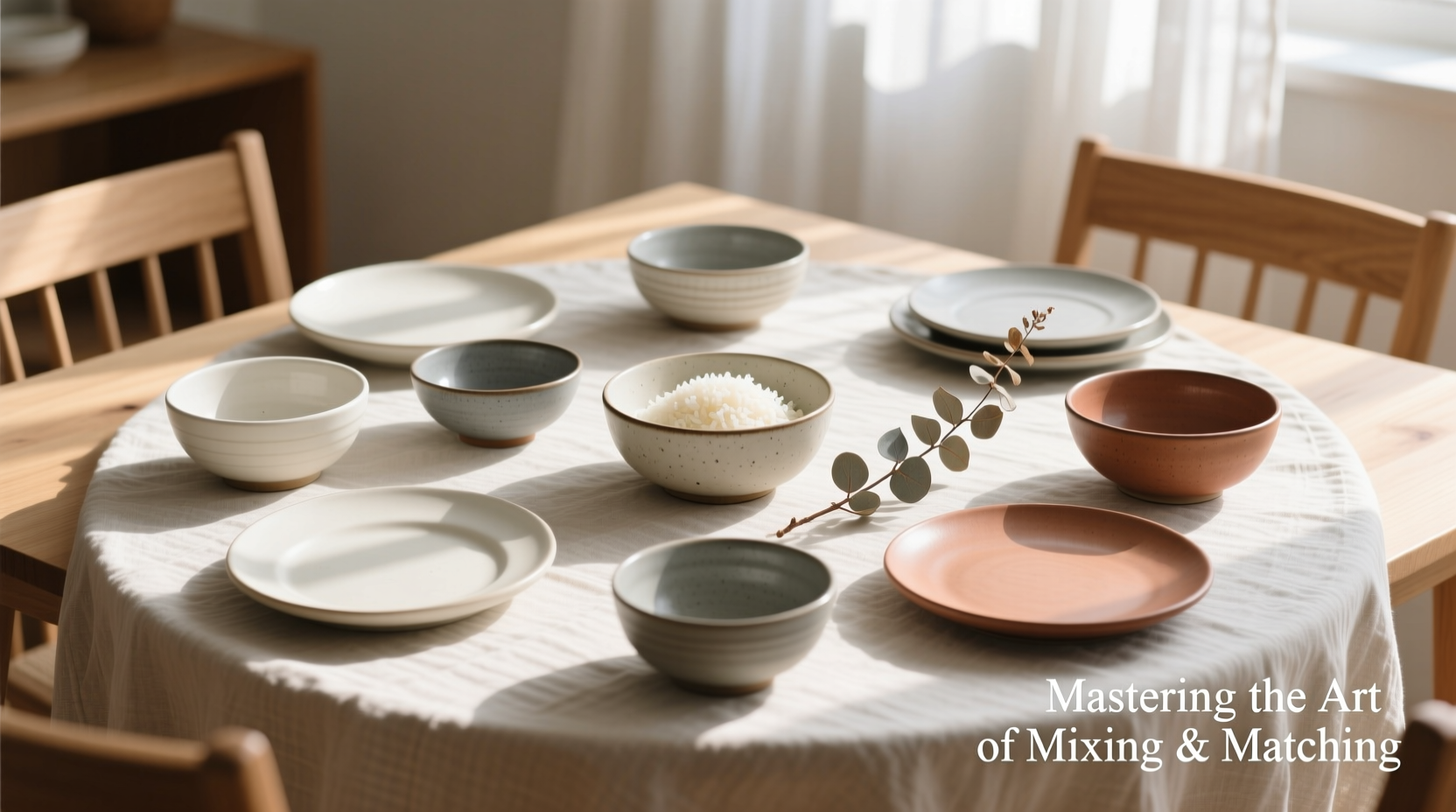
Nordic ceramics draw from a tradition that values simplicity, functionality, and natural materials. Originating from countries like Sweden, Denmark, Finland, and Norway, these pieces often feature muted tones—soft whites, cool grays, earthy beiges, and occasional touches of sage or slate blue. Their forms are clean yet organic, shaped to feel comfortable in the hand and harmonious on the table.
What sets Nordic ceramics apart is their embrace of imperfection. Hand-thrown textures, slight asymmetry, and variable glaze thickness are not flaws—they are signatures of authenticity. This aesthetic, known as *hygge* in Denmark or *lagom* in Sweden, emphasizes balance and mindful living. When building a table setting, it’s essential to honor these principles by selecting pieces that complement rather than compete.
“Scandinavian tableware isn’t about perfection—it’s about presence. The way light catches a matte rim or how one bowl sits slightly off-center tells a story of human touch.” — Linnea Bergström, Nordic Table Stylist & Author of *Everyday Elegance*
Creating Visual Harmony Through Color and Texture
Mixing Nordic ceramics doesn’t mean throwing together random pieces. It requires a deliberate approach to color palettes and textural contrasts. Begin with a base tone—typically white, off-white, or gray—as your anchor. From there, introduce variation through:
- Glaze finish: Combine glossy and matte surfaces to add depth.
- Color accents: Use soft pastels or monochromatic gradients for subtle interest.
- Surface texture: Pair smooth, refined bowls with plates that have a ribbed or speckled glaze.
A well-balanced table might include a set of matte white rice bowls alongside plates with a faint blue undertone and a satin finish. The difference is noticeable upon close inspection but blends seamlessly at first glance.
Step-by-Step Guide to Building a Cohesive Set
Follow this sequence to assemble a versatile collection of Nordic ceramic bowls and plates that work across seasons and occasions:
- Start with a foundational set: Choose 4–6 rice bowls and matching small plates in a neutral glaze (e.g., ivory matte).
- Add complementary shapes: Introduce round bowls with slightly flared rims and square or oval plates for contrast.
- Incorporate artisanal variety: Source one or two handmade pieces from independent Nordic studios to serve as focal points.
- Test layering: Arrange all pieces on the table without food to assess spacing, height variation, and flow.
- Introduce servingware: Add larger platters or soup bowls in coordinating tones to complete the ensemble.
This method ensures flexibility. You can use the full set for dinner parties or pull individual components for casual weekday meals.
Do’s and Don’ts of Mixing Nordic Ceramics
| Do’s | Don’ts |
|---|---|
| Do mix finishes (matte + gloss) for tactile interest. | Don’t combine more than four distinct glaze colors. |
| Do prioritize proportion—small bowls should pair with smaller plates. | Don’t overcrowd the table with too many patterns or textures. |
| Do use linen napkins in neutral tones to enhance cohesion. | Don’t mismatch ceramics with overly bold cutlery or glassware. |
| Do rotate seasonal pieces (e.g., deeper gray in winter, pale blue in summer). | Don’t place high-gloss items under direct spotlight—they may glare. |
A Real-Life Table Setting: A Midwinter Dinner Example
Sofia, a graphic designer based in Malmö, hosts monthly dinners inspired by Nordic seasons. For a recent midwinter gathering, she curated a table using only ceramics from Swedish and Finnish artisans. She began with matte white rice bowls from Rörstrand and paired them with asymmetric stoneware plates from Arabia, each with a hint of charcoal marbling.
To elevate the look, she added two larger hand-thrown serving bowls in a deep anthracite glaze. The contrast was subtle but striking. She layered unbleached cotton runners beneath walnut chargers, letting the ceramics take center stage. Guests remarked on the “quiet elegance” of the setup—proof that restraint can speak volumes.
Her secret? She pre-staged the table two days in advance, adjusting placements based on natural light throughout the day. This attention to detail ensured every piece contributed to the mood without overwhelming it.
Checklist: Building Your Nordic Ceramic Collection
Use this checklist to guide your purchases and arrangements:
- ☐ Define your core color palette (e.g., white, gray, soft green)
- ☐ Acquire a base set of 4–6 matching rice bowls
- ☐ Select 2–3 complementary plate styles in varying shapes
- ☐ Include at least one handmade or artisanal piece
- ☐ Test combinations on your actual dining surface
- ☐ Store pieces with felt liners to prevent chipping
- ☐ Rotate ceramics seasonally to keep settings fresh
Frequently Asked Questions
Can I mix Nordic ceramics with non-Nordic tableware?
Yes, but with caution. Stick to minimalist designs in similar tones. For example, a Japanese-inspired black lacquer spoon can complement a gray Nordic bowl if the rest of the table remains subdued. Avoid ornate patterns or bright colors that clash with the Nordic ethos.
Are Nordic ceramic bowls microwave and dishwasher safe?
Most mass-produced Nordic ceramics are both microwave and dishwasher safe, especially those from reputable brands like Iittala or Fog Linen Work. However, handcrafted or artisanal pieces may require hand washing to preserve glaze integrity. Always check manufacturer guidelines.
How do I prevent my ceramic collection from looking mismatched?
Establish a unifying element—such as a consistent rim shape, shared undertone, or recurring texture. Even if sizes and finishes vary, this thread will visually bind the set together.
Conclusion: Elevate Everyday Moments with Intentional Style
Mixing and matching Nordic ceramic rice bowls and plates is less about rules and more about rhythm—the rhythm of light on glazed surfaces, the quiet harmony of form and function, the personal expression found in curated imperfection. When done with intention, your table becomes more than a place to eat; it becomes an extension of your lifestyle.
Start small. Build gradually. Let each new piece tell part of your story. Whether you're serving miso soup at breakfast or a hearty grain bowl at dinner, let your ceramics reflect care, calm, and quiet confidence.




 浙公网安备
33010002000092号
浙公网安备
33010002000092号 浙B2-20120091-4
Comments
No comments yet. Why don't you start the discussion?