
Every person carries a story worth telling. Whether you're pitching an idea, building a personal brand, speaking at an event, or simply connecting with others, storytelling is the most powerful tool for creating meaning and emotional resonance. Yet many struggle to shape their experiences into compelling narratives. The ability to tell your story isn’t reserved for writers or performers—it’s a skill anyone can develop with clarity, structure, and authenticity.
A well-told story doesn’t just inform; it engages, inspires, and lingers in memory far longer than facts alone. This guide walks through the essential steps to craft and deliver your unique story with confidence and impact.
Why Your Story Matters
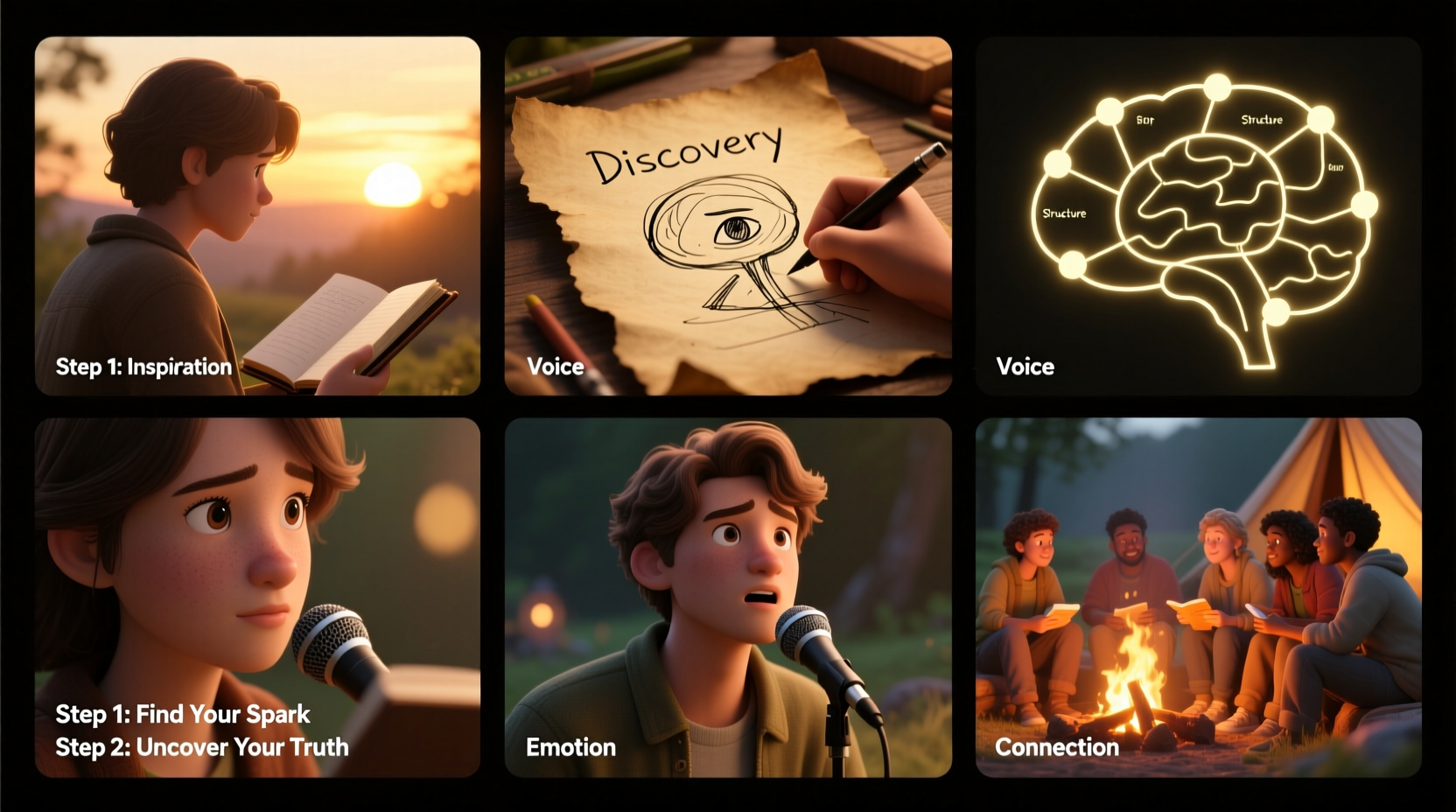
In a world saturated with information, stories cut through the noise. They humanize data, build trust, and create connections that logic alone cannot achieve. Research from cognitive psychologists shows that people remember stories up to 22 times more than standalone statistics. When you share your journey—your challenges, turning points, and growth—you invite others into your experience, fostering empathy and understanding.
Your story isn't just about what happened; it's about what those events mean to you and how they shaped who you are today. That perspective is irreplaceable. Whether you’re an entrepreneur explaining your mission, a job seeker articulating your career path, or someone healing through reflection, your narrative holds power.
“Stories are the single most powerful tool in a leader’s toolkit.” — Howard Gardner, cognitive psychologist and author of *Leading Minds*
The Core Elements of a Compelling Story
Not all stories captivate. The ones that do follow a recognizable structure and contain key emotional and narrative components. Understanding these elements allows you to shape raw experience into something coherent and moving.
- Character: You are the protagonist. Help your audience relate by showing vulnerability, motivation, and growth.
- Conflict: Every story needs tension—obstacles, doubts, failures. Without conflict, there’s no journey.
- Climax: The pivotal moment where change occurs. This could be a decision, realization, or breakthrough.
- Resolution: How things changed as a result. What did you learn? How are you different?
- Message: The takeaway. Why does this story matter beyond your own life?
Step-by-Step Guide to Crafting Your Story
Telling your story effectively requires intentional construction. Follow this six-step process to turn memories into a meaningful narrative.
- Reflect on defining moments. Ask yourself: When did my life significantly shift? What failure taught me the most? What achievement reshaped my self-perception? List 3–5 key experiences.
- Identify the arc. For each moment, outline the situation before (normal), the challenge (disruption), your response (action), and the outcome (change).
- Select one story to focus on. Choose the experience that aligns best with your current purpose—whether it’s inspiring others, building credibility, or gaining closure.
- Write it freely first. Don’t edit. Just get the full narrative down in plain language. Include sensory details: what you saw, heard, felt.
- Edit for clarity and impact. Trim unnecessary details. Strengthen emotional beats. Ensure the message is clear by the end.
- Practice aloud. Deliver it multiple times. Notice where you stumble or lose energy. Adjust pacing and emphasis accordingly.
Real Example: From Burnout to Purpose
Sarah, a former corporate lawyer, struggled to explain why she left a high-paying job to start a wellness coaching business. Her initial explanation was dry: “I wanted a change.” After applying the storytelling framework, she refined her message:
“For ten years, I lived by the clock—billable hours, back-to-back meetings, constant pressure. I made partner at 34, but I was exhausted, disconnected, and barely present for my family. One morning, I collapsed at my desk from stress. In recovery, I realized success wasn’t just about achievement—it had to include well-being. That moment became the catalyst. Now, I help professionals redefine success without sacrificing health.”
This version creates empathy, reveals vulnerability, and clearly communicates her mission. It’s not just a career shift—it’s a transformation.
Common Pitfalls and How to Avoid Them
Even with good intentions, storytellers often undermine their impact. The following table outlines frequent mistakes and practical corrections.
| Do’s | Don’ts |
|---|---|
| Keep it focused on one central theme or lesson | Ramble across multiple unrelated events |
| Use specific details (“It was raining, and my phone died”) to ground the story | Speak in vague generalities (“Things were tough”) |
| Reveal emotion honestly—fear, joy, doubt | Present yourself as flawless or overly heroic |
| End with a clear takeaway or invitation | Stop abruptly without resolution or insight |
Adapting Your Story for Different Contexts
Your core story may remain consistent, but its delivery should shift based on audience and purpose. A 60-second elevator pitch differs from a 20-minute keynote speech. Here’s how to tailor your narrative:
- Professional settings: Emphasize skills gained, resilience, and results. Keep emotional elements balanced with professionalism.
- Personal development or therapy: Prioritize honesty and introspection. Depth matters more than brevity.
- Social media or written platforms: Use shorter segments of your larger story. Focus on one scene or insight per post.
- Public speaking: Build suspense, use pauses, and vary tone. Let the audience feel the journey.
Frequently Asked Questions
I don’t think I’ve done anything “big” enough to tell a story about. Is my experience valid?
Absolutely. Transformation doesn’t require fame or dramatic events. Choosing to rebuild after loss, starting over at 50, or overcoming self-doubt are deeply relatable. Authenticity resonates more than spectacle.
How long should my personal story be?
It depends on context. For networking, aim for 60–90 seconds. In writing or interviews, 3–5 minutes is often ideal. The key is precision—every sentence should serve the message.
What if I get emotional when telling my story?
Emotion is a sign of truth, not weakness. If you feel overwhelmed, pause, breathe, and continue. Most audiences respond with respect and connection when they witness genuine feeling.
Final Checklist: Is Your Story Ready?
Before sharing your story publicly, run through this checklist:
- ✅ Does it have a clear beginning, middle, and end?
- ✅ Is the central message obvious by the conclusion?
- ✅ Have I included specific moments that illustrate emotions or turning points?
- ✅ Is it concise for the intended format?
- ✅ Does it reflect my true voice—not what I think others want to hear?
- ✅ Have I practiced delivering it naturally, not memorized word-for-word?
“The most powerful person in the world is the storyteller.” — Steve Jobs
Start Sharing, Start Connecting
Your story is more than a recounting of events—it’s a bridge between your inner world and others’. By mastering the art of storytelling, you gain the ability to influence, heal, inspire, and connect on a deeper level. No special title or platform is required. All you need is the courage to begin.
Pick one story. Write it. Say it out loud. Share it with someone you trust. Then keep going. The world doesn’t need more polished perfection—it needs your truth, told with heart.




 浙公网安备
33010002000092号
浙公网安备
33010002000092号 浙B2-20120091-4
Comments
No comments yet. Why don't you start the discussion?