
Opening a bar is more than just serving drinks—it’s about creating an experience, building a community, and managing a complex business behind the scenes. While the idea of owning a vibrant nightlife spot may be exciting, the path to launching one successfully requires careful planning, industry knowledge, and relentless execution. Many aspiring owners underestimate the operational depth involved, from legal compliance to cash flow management. This guide breaks down the essential steps, common pitfalls, and real-world strategies that turn a concept into a thriving bar.
1. Define Your Concept and Target Audience
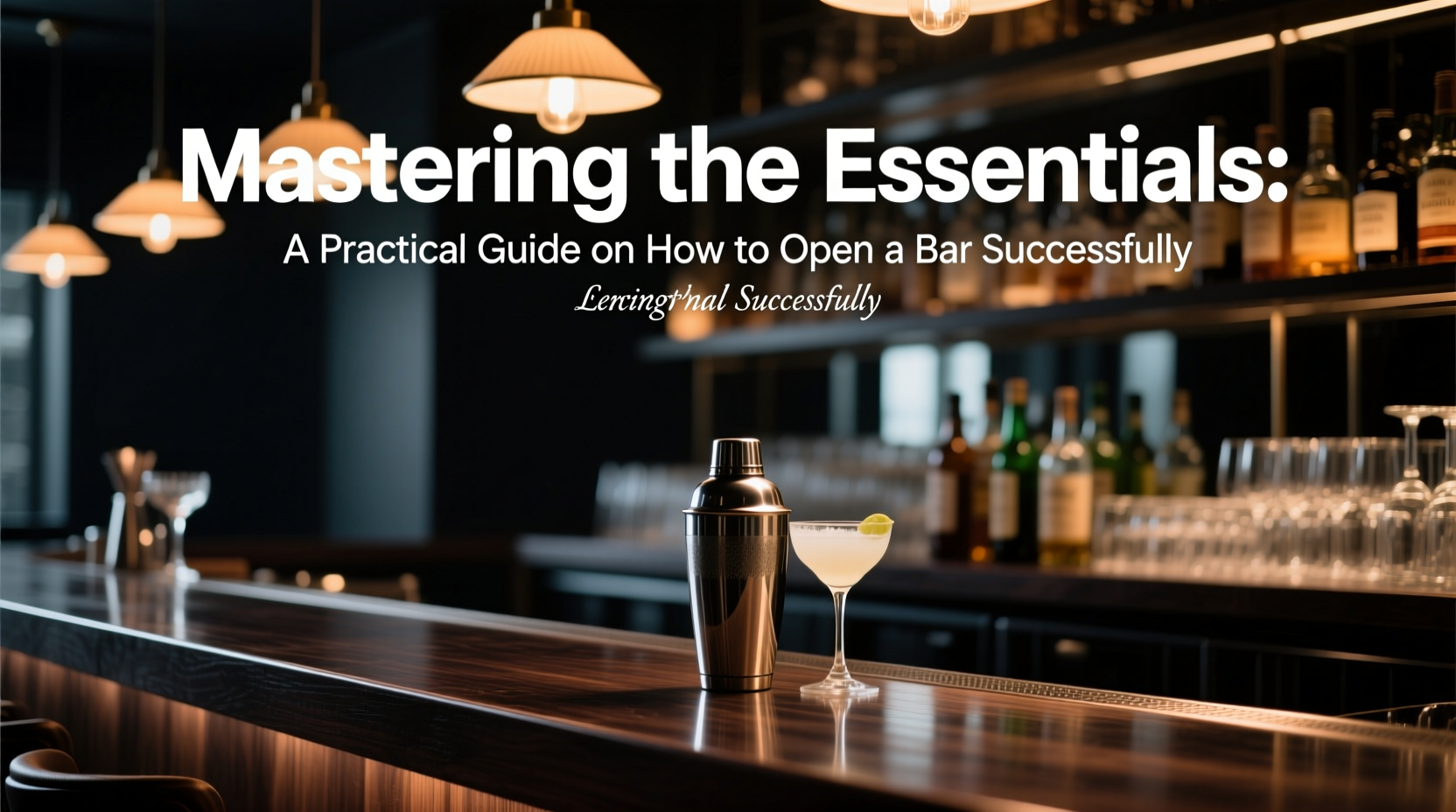
The foundation of any successful bar begins with a clear identity. Are you launching a craft cocktail lounge, a neighborhood pub, or a high-energy dance venue? Each concept attracts a different crowd and demands distinct operational setups. Begin by researching your local market: What types of bars already exist? Where are the gaps? Who are your ideal customers—students, professionals, tourists?
A well-defined concept influences everything from décor and music to drink pricing and staff uniforms. For example, a speakeasy-style bar might focus on premium spirits and intimate service, while a sports bar prioritizes large screens, group seating, and affordable drink specials.
2. Navigate Legal Requirements and Licensing
One of the most critical—and often overlooked—steps in opening a bar is securing the proper licenses. In most jurisdictions, alcohol sales require multiple permits, including a liquor license, food service permit (if serving food), and health department approval. The process can take weeks or even months, so start early.
Liquor licenses are especially competitive and expensive in some areas. Some cities operate under a quota system, meaning only a limited number of licenses are available. In such cases, you may need to purchase an existing license from another business, which can cost tens of thousands of dollars.
“Never assume your location is zoned for alcohol sales. I’ve seen entrepreneurs lease a space only to find out it’s not permitted for a bar.” — Daniel Reyes, Hospitality Consultant with 15 years in venue development
In addition to alcohol licensing, ensure your business structure is legally sound. Register your business entity (LLC, corporation, etc.), obtain an EIN, and secure liability insurance tailored to bars. This protects you in case of accidents, fights, or over-serving incidents.
Do’s and Don’ts of Bar Licensing
| Do’s | Don’ts |
|---|---|
| Start the licensing process at least 6 months before opening | Assume all licenses are transferable when buying an existing space |
| Hire a liquor license attorney if navigating a competitive market | Begin construction without confirming zoning and use permits |
| Apply for federal and state tax IDs simultaneously | Overlook employee alcohol server training requirements |
3. Secure Funding and Create a Realistic Budget
Bars require significant upfront investment. Costs include leasing or renovating space, purchasing equipment (coolers, POS systems, glassware), initial inventory, staffing, and marketing. A typical urban bar can cost anywhere from $150,000 to $500,000 or more to launch.
Most owners combine personal savings with external financing. Options include small business loans, SBA-backed loans, investor partnerships, or crowdfunding. Be cautious with investors—ensure agreements clearly define ownership stakes, profit sharing, and decision-making authority.
Your budget should also account for operating expenses during the first six months, when revenue may be inconsistent. Include rent, utilities, payroll, insurance, and ongoing inventory costs. A detailed financial model helps identify your break-even point and guides pricing strategy.
Sample Startup Cost Breakdown
- Lease Deposit & Renovations: $70,000
- Bar Equipment (POS, coolers, furniture): $45,000
- Initial Liquor, Beer, Wine Inventory: $20,000
- Licensing & Legal Fees: $15,000
- Staff Hiring & Training: $10,000
- Marketing & Pre-Launch Campaign: $8,000
- Operating Reserve (3–6 months): $50,000
4. Build and Train a Reliable Team
No bar runs smoothly without a skilled, trustworthy team. Key roles include bartenders, servers, a manager, and possibly a security staff member depending on size and location. Look for candidates with hospitality experience, strong customer service skills, and the ability to work under pressure.
Invest time in comprehensive training. This includes drink recipes, POS operation, upselling techniques, responsible alcohol service, and emergency procedures. Role-playing common scenarios—such as handling an intoxicated guest—can prepare staff for real challenges.
5. Launch with a Strategic Marketing Plan
A grand opening sets the tone for your brand. Instead of a one-day event, plan a launch campaign spanning several weeks. Start with teaser posts on social media, email sign-ups, and influencer collaborations. Host a soft opening for friends, family, and local influencers to generate buzz and fine-tune operations.
On opening night, offer special promotions—a complimentary welcome drink, live music, or a themed party. Collect contact information to build your mailing list for future events and loyalty programs.
Long-term marketing should focus on community engagement. Partner with nearby businesses, host trivia nights or live bands, and encourage user-generated content through branded hashtags. Consistent presence on platforms like Instagram and Google Business improves visibility and reputation.
Real Example: The Rise of \"The Oak Tap\"
In Portland, Oregon, Sarah Lin opened “The Oak Tap,” a neighborhood whiskey bar, after two years of planning. She began by surveying residents and found demand for a relaxed, non-touristy spot with curated bourbon selections. Sarah secured a historic storefront, obtained her liquor license through a city auction ($22,000), and launched with a $180,000 budget funded partly by an SBA loan.
Her pre-opening strategy included a 30-day countdown on Instagram, featuring behind-the-scenes videos and staff introductions. On opening night, the bar offered free tastings of three signature cocktails. Within three months, The Oak Tap had built a loyal following and was featured in a local magazine’s “Best New Bars” list.
Frequently Asked Questions
How long does it take to open a bar from start to finish?
Typically 6 to 12 months. This includes concept development, site selection, licensing (which alone can take 3–6 months), build-out, hiring, and marketing. Delays in permitting or construction can extend the timeline.
Do I need prior experience in the bar industry?
While not mandatory, hands-on experience significantly increases your chances of success. Working in a bar—even part-time—helps you understand inventory management, labor laws, customer behavior, and daily operations. If you lack experience, consider hiring a seasoned bar manager or consultant.
What’s the biggest reason new bars fail?
Poor cash flow management. Many owners focus on ambiance and drinks but underestimate recurring costs like restocking, payroll, and maintenance. Others fail to adapt based on customer feedback. Sustainability comes from balancing passion with disciplined financial oversight.
Conclusion: Turn Vision into Reality
Opening a bar successfully isn’t about luck—it’s about preparation, persistence, and precision. From defining your niche to mastering compliance, every step shapes the guest experience and long-term viability. The most memorable bars aren’t just places to drink; they’re destinations built on authenticity, consistency, and connection.
If you’re ready to bring your vision to life, start today: sketch your concept, research your market, and connect with mentors in the industry. Every great bar started with someone who dared to plan carefully and act boldly.




 浙公网安备
33010002000092号
浙公网安备
33010002000092号 浙B2-20120091-4
Comments
No comments yet. Why don't you start the discussion?