
The Last of Us is more than just a survival game—it's an emotional journey through a broken world where every decision matters. For newcomers, the game’s blend of stealth, combat, and narrative depth can be overwhelming. Unlike typical action titles, brute force often leads to failure. Success hinges on patience, planning, and precision. Whether you're playing the original release or the remastered version, understanding core mechanics early can transform your experience from frustrating to fulfilling.
Understand the Survival Mindset
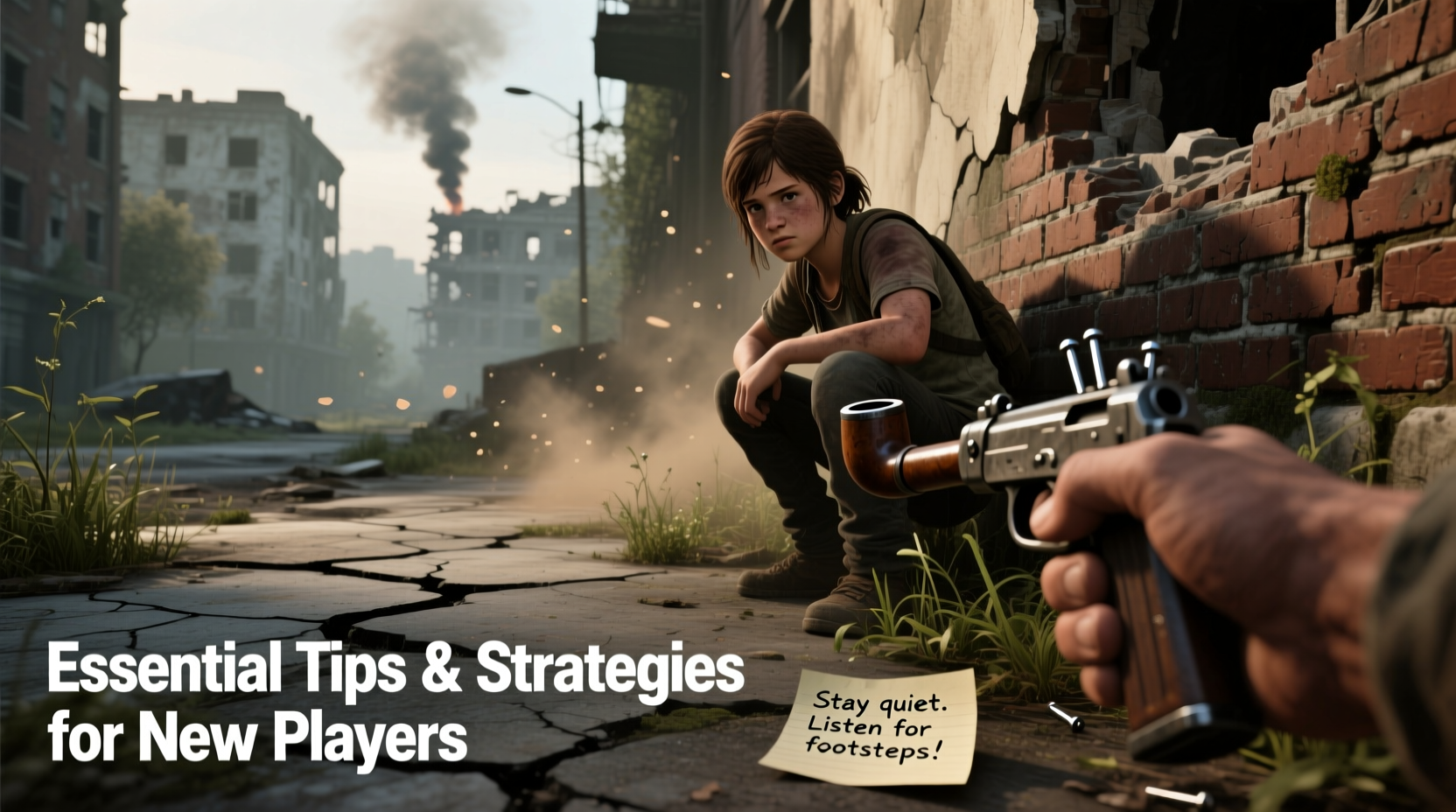
The world of The Last of Us doesn’t reward recklessness. Resources are scarce, enemies are deadly, and mistakes are costly. The first step to mastering the game is adopting a survivor’s mindset: conserve, observe, adapt. Joel and Ellie aren’t superheroes—they’re vulnerable, and their strength lies in resilience, not firepower.
Every bullet, blade, and bandage counts. Early on, it’s tempting to charge into fights or use guns liberally, but doing so will leave you defenseless during later, more intense encounters. Instead, prioritize stealth and evasion. Learn enemy patrol patterns. Use distractions like bottles or bricks to manipulate movement. Move quietly, stay low, and assess situations before acting.
Resource Management: Scavenge Smartly
Scavenging isn’t just about looting drawers and cabinets—it’s a strategic necessity. Supplies are scattered unevenly, and some areas offer far more than others. Your goal should be to extract maximum value from each location without rushing past overlooked items.
Break down doors and walls cautiously. Listen for the sound of loose boards or clutter—these often indicate hidden stashes. Examine rooms thoroughly: check under desks, behind furniture, and inside lockers. Crafting components like rags, alcohol, and blades are as vital as ammo. Without them, you can't heal or create essential tools like Molotovs or smoke bombs.
| Resource | Primary Use | Recommended Priority |
|---|---|---|
| Blades | Stealth kills, crafting | High |
| Pistol Ammo | Mid-range defense | Medium |
| Rags & Alcohol | Health kits | High |
| Fuse Bombs | Crowd control | Medium-High |
| Herbs | Healing (free) | Very High |
Herbs deserve special attention. They allow you to heal without using precious supplies. When you find green plants in the environment, always collect them. Combine them at any time via the crafting menu to restore health—this becomes crucial during boss fights or extended combat sequences.
Combat and Stealth: A Balanced Approach
Direct confrontation should be a last resort. Most human enemies carry weapons and outnumber you. Clickers and other infected move fast and deal massive damage up close. Winning fights means controlling the battlefield before engaging.
Use vertical space. Ledges, crawl spaces, and elevated platforms give you tactical advantages. Throw a bottle to one side of a room, then ambush enemies as they investigate. Flank when possible. If you must fight, prioritize threats: hunters with rifles first, runners if they swarm, and clickers only when isolated.
“Success in The Last of Us isn’t measured by how many enemies you kill, but by how few you have to.” — Alex Rivera, Narrative Designer at Naughty Dog
Melee combat is risky but sometimes necessary. Don’t button-mash—time your strikes and know when to block. Upgrading your melee damage early reduces the number of hits needed to down an enemy, conserving stamina and reducing exposure.
Step-by-Step Guide: Clearing a Hostile Building
- Approach silently: Crouch and scan from a distance. Note guard positions and sightlines.
- Create a distraction: Toss a bottle or brick away from your intended entry point.
- Infiltrate during confusion: Move in while enemies are distracted or repositioning.
- Eliminate quietly: Use a shiv or silent takedown from behind. Avoid loud weapons indoors.
- Hide bodies: Drag corpses behind cover or into dark corners to prevent alerts.
- Secure the area: Loot thoroughly, craft supplies, and plan your next move.
Upgrade Wisely: Focus on Key Skills First
XP is limited, especially on higher difficulties. You won’t unlock everything, so prioritize upgrades that align with your playstyle. For most new players, survivability should come before offensive power.
- First Tier Priorities: Health upgrade, listen mode, weapon durability.
- Second Tier: Crafting speed, pistol damage, shiv effectiveness.
- Late Game: Explosive ammo, rifle stability, sprint speed.
Listen Mode is invaluable. It reveals enemy positions through walls and helps navigate tight encounters. Unlock it as soon as possible. Similarly, increasing health capacity gives you margin for error—critical during chaotic firefights or when surrounded by infected.
Real Example: Surviving the Suburbs Ambush
During the suburban neighborhood section in Chapter 5, many players struggle with the surprise attack by armed hunters. One new player, Mark, lost twice trying to fight head-on. On his third attempt, he changed tactics: he stayed low, used the garages and cars for cover, and threw bricks to lure enemies into alleys. He eliminated two with shivs, avoided a third by hiding in a shed, and crafted a health kit mid-fight using herbs found earlier. By focusing on positioning and patience, he completed the section with minimal resources spent.
This scenario illustrates a core truth: adaptation beats aggression. The game rewards observation and creativity, not reflexes alone.
Essential Tips Checklist
Keep this checklist in mind during gameplay:
- ✅ Always scavenge every room before moving on.
- ✅ Craft healing items whenever you have spare components.
- ✅ Use listen mode frequently in tense areas.
- ✅ Save manually after major milestones or tough fights.
- ✅ Upgrade health and crafting speed early.
- ✅ Avoid running unless fleeing—walking is quieter.
- ✅ Use environmental hazards (e.g., gas leaks) to your advantage.
Frequently Asked Questions
Should I play on Listen Mode all the time?
No—Listen Mode slows your movement and drains focus. Use it strategically: before entering unknown areas, during standoffs, or when tracking distant enemies. Overusing it makes you vulnerable to flanking.
What’s the best way to deal with Clickers?
Clickers rely on sound and smell. Stay downwind, move slowly, and avoid breaking glass or knocking over objects. If engaged, throw a molotov to stagger them, then flee or finish with a headshot. Shivs work but require perfect timing and risk retaliation.
Is it possible to complete the game without killing anyone?
Technically, no—certain story moments require lethal force. However, you can minimize kills by using stealth, distractions, and non-lethal throws. Some players complete sections with zero gunshots, proving that pacifist-leaning strategies are viable in many scenarios.
Mastery Begins with Discipline
Mastering The Last of Us isn’t about unlocking every skill or finding every secret—it’s about evolving your instincts. The game teaches you to slow down, think ahead, and respect consequences. Each failed attempt sharpens your judgment. Every narrow escape builds confidence.
Start small. Focus on one improvement per chapter: better scavenging, smarter takedowns, faster crafting. Over time, these habits compound into mastery. The world won’t become easier, but you will become tougher, sharper, and more resilient—just like Joel.




 浙公网安备
33010002000092号
浙公网安备
33010002000092号 浙B2-20120091-4
Comments
No comments yet. Why don't you start the discussion?