
The snake shape bracelet—known for its sleek, coiled design and timeless elegance—has become a staple in modern jewelry collections. Its fluid structure mimics the movement of a serpent, offering both flexibility and sophistication. However, one of the most common challenges wearers face is achieving the ideal fit. Too loose, and it slips off; too tight, and it becomes uncomfortable. Unlike traditional bangles or clasped bracelets, snake-shaped designs often rely on precise curvature and metal memory to maintain their form. Getting the size right isn’t just about comfort—it’s about preserving the bracelet’s integrity and aesthetic appeal.
Fortunately, adjusting a snake shape bracelet doesn’t require professional tools or advanced skills. With the right knowledge and gentle handling, you can customize the fit at home. Whether you’ve inherited a family piece, received a gift that’s slightly off in size, or simply want to adapt your favorite accessory for different occasions, mastering the adjustment process ensures your bracelet remains both wearable and beautiful.
Understanding the Structure of a Snake Shape Bracelet
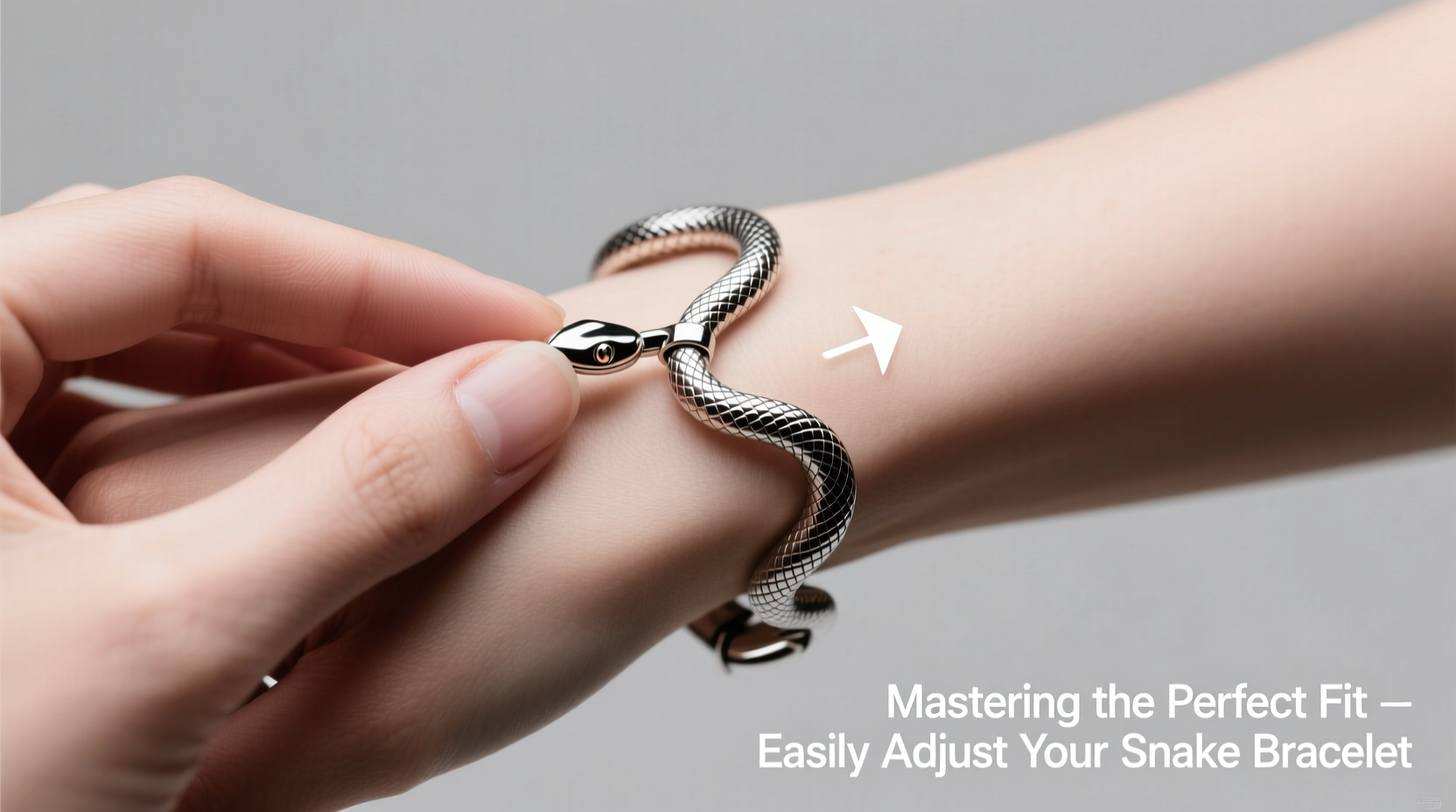
Serpentine bracelets are typically crafted from tightly wound metal coils, often made of sterling silver, gold, or stainless steel. The design uses tension and precision engineering to maintain its shape while allowing slight flexibility. Because there is no clasp, the bracelet slides over the hand and rests snugly around the wrist due to its spring-like construction. This means sizing depends not on links or chains but on the internal diameter and elasticity of the coil.
The key to successful adjustment lies in understanding this unique mechanism. When properly sized, the bracelet should glide over the knuckles with mild resistance and sit securely without pinching. Over time, repeated stretching or mishandling can weaken the metal’s memory, leading to a permanent loss of tension. Therefore, any modifications must be done carefully and incrementally.
“Snake bracelets are deceptively simple—they look like solid bands, but their fit hinges on subtle structural balance. A millimeter too wide, and they lose their grip; a fraction too small, and they strain the metal.” — Lena Torres, Jewelry Designer & Conservator
Step-by-Step Guide to Adjusting Your Snake Bracelet
Adjusting a snake shape bracelet requires patience and precision. Follow these steps to ensure safe and effective resizing:
- Assess the current fit: Put on the bracelet and observe how it sits. Does it slide off easily? Is it difficult to remove? Note where the discomfort or looseness occurs.
- Choose a clean, soft workspace: Lay down a microfiber cloth to prevent scratches and provide cushioning during manipulation.
- Determine direction of adjustment: To tighten, gently compress the coil ends toward each other. To loosen, pull them apart slightly. Always move symmetrically to preserve alignment.
- Apply even pressure with your palms: Hold the bracelet horizontally and use the heels of your hands to press inward (for tightening) or outward (for loosening). Avoid using fingers alone, as uneven force may distort the shape.
- Test frequently: After each minor adjustment, try the bracelet on. It’s better to make several small changes than one aggressive shift.
- Allow the metal to settle: Once adjusted, let the bracelet rest for 10–15 minutes. Metals like silver have a “memory” and may rebound slightly after manipulation.
Do’s and Don’ts When Resizing Your Bracelet
| Do’s | Don’ts |
|---|---|
| Use both hands for balanced pressure | Twist or bend the coil asymmetrically |
| Adjust in small increments | Force the bracelet beyond natural flexibility |
| Wash hands before handling to reduce oils | Expose the bracelet to harsh chemicals during adjustment |
| Store properly after resizing | Leave it on a hard surface where it can roll and deform |
| Check fit throughout the day (swelling varies) | Resize repeatedly in one session—allow recovery time |
Real-Life Example: Adjusting an Heirloom Piece
Sophia inherited her grandmother’s vintage gold-plated snake bracelet, a cherished piece passed down through generations. While sentimental, it was too large for her slender wrist. Initially hesitant to alter such a meaningful item, she researched safe methods and decided to attempt a careful tightening. Using a soft cloth and following the palm-pressure technique, she compressed the coil by less than a millimeter over three sessions. She tested the fit each time, allowing the metal to stabilize. After two days, the bracelet fit perfectly—secure yet comfortable. More importantly, its original luster and symmetry remained intact. This experience taught her that thoughtful adjustments can honor tradition while adapting to modern needs.
Essential Care Tips After Adjustment
Once you’ve achieved the ideal fit, maintaining the bracelet’s condition becomes crucial. Metal fatigue is a real concern, especially with frequent resizing. To extend longevity:
- Rotate wear between multiple bracelets to reduce stress on any single piece.
- Avoid exposing the bracelet to water, lotions, or perfumes immediately after adjustment, as softened metal is more vulnerable.
- Store it in a lined jewelry box, ideally in a compartment that prevents rolling or impact.
- Polish gently with a non-abrasive cloth to maintain shine without weakening structural integrity.
Frequently Asked Questions
Can I resize a snake bracelet made of solid gold?
Yes, but with extra caution. Solid gold is softer than alloys like stainless steel, making it more prone to bending or kinking. Small adjustments are possible, but significant changes should be handled by a professional to avoid damage.
What if my bracelet becomes oval instead of round?
An oval shape indicates uneven pressure during adjustment. Gently reverse the distortion by applying counter-pressure at the widest points using your palms. Roll it carefully between your hands to restore circular symmetry.
How often can I safely resize my snake bracelet?
Limited resizing is acceptable—ideally no more than 2–3 minor adjustments over its lifetime. Frequent alterations compromise the metal’s resilience. If your wrist size fluctuates significantly, consider owning two pre-sized bracelets for seasonal use.
Final Checklist Before You Begin
- ✅ Inspect the bracelet for existing damage
- Cracks or weak spots can worsen under pressure.
- ✅ Clean the surface gently
- Remove oils and residue to improve grip and prevent slippage during adjustment.
- ✅ Work in a well-lit area
- Visibility helps maintain symmetry and detect early signs of misalignment.
- ✅ Have patience
- Rushing increases the risk of over-adjustment. Take breaks between attempts.
- ✅ Know when to stop
- If resistance feels excessive or the shape distorts, seek professional help.
Conclusion: Wear Confidence, Not Just Jewelry
A perfectly fitted snake shape bracelet does more than stay in place—it enhances your presence. It moves with you, reflects your style, and carries personal significance. By learning how to adjust it responsibly, you gain control over both comfort and preservation. These delicate pieces deserve respect for their craftsmanship and history. With the right approach, you can enjoy a flawless fit without compromising quality.




 浙公网安备
33010002000092号
浙公网安备
33010002000092号 浙B2-20120091-4
Comments
No comments yet. Why don't you start the discussion?