
Pimples are an almost universal experience, yet few people know how to handle them properly. While dermatologists consistently advise against picking or popping acne, reality often tells a different story—many of us reach for tools when a stubborn blemish refuses to fade. The key isn’t avoidance at all costs but doing it right. With the rise in popularity of zit popping tools—especially stainless steel comedone extractors—there’s a growing need for clear, science-backed guidance on how to use them without damaging your skin.
Used correctly, a zit popping tool can help remove blackheads and whiteheads cleanly, reducing inflammation and preventing long-term scarring. Used incorrectly, it can push bacteria deeper into the skin, cause hyperpigmentation, or even lead to permanent pockmarks. This guide walks you through the safest methods, essential hygiene practices, and expert-recommended protocols to master your zit popping tool and support your journey toward clearer skin.
The Right Tool for the Job
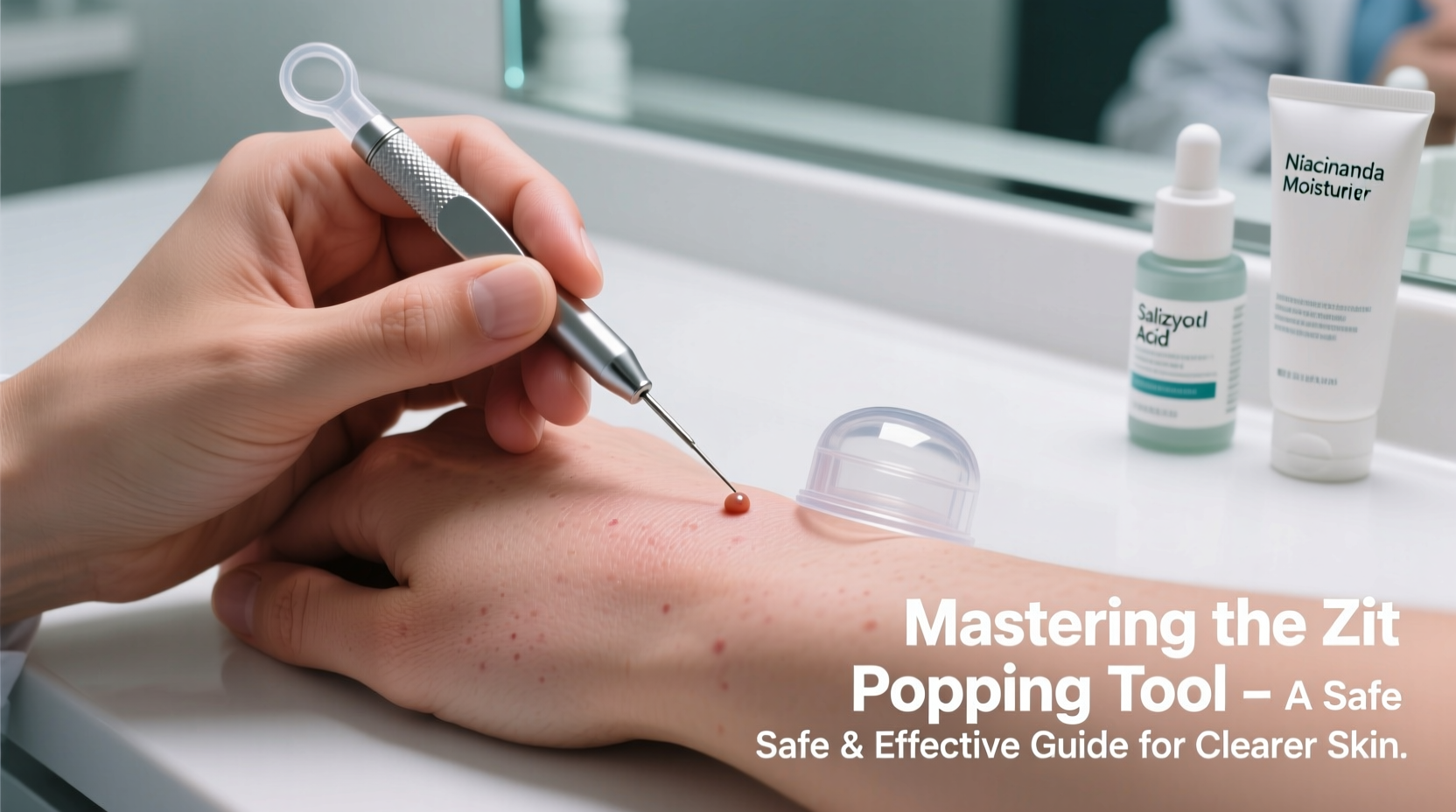
Not all \"zit poppers\" are created equal. Many viral TikTok tools sold online are poorly designed, made from substandard materials, or lack precision. A professional-grade comedone extractor is typically made of surgical stainless steel and features two looped ends—one larger for blackheads, one smaller for whiteheads. Some models include a pointed end for lifting stubborn debris, though these should be used with extreme caution.
The design matters because pressure needs to be evenly distributed around the blemish, not directly on top of it. Squeezing with fingers concentrates force unevenly and increases the risk of tearing tissue. A proper tool allows controlled, circumferential pressure that encourages the plug to exit smoothly.
When to Pop—and When Not To
Timing is everything. Attempting to extract a pimple too early can do more harm than good. Dermatologists agree that only fully matured, surface-level comedones should be considered for extraction. These appear as visible whiteheads with a defined head or open blackheads with a dark center. If the pimple is still red, deep under the skin, or painful to touch, it’s not ready.
Inflammatory acne—like cysts or nodules—should never be extracted at home. These lesions extend deep into the dermis and lack a clear exit point. Forcing them open risks severe infection, scarring, and spreading bacteria across surrounding tissue.
“Extraction should only occur when there’s a visible plug near the surface. Anything deeper requires medical intervention.” — Dr. Lena Torres, Board-Certified Dermatologist
Step-by-Step Guide to Safe Extraction
Follow this precise sequence to minimize damage and maximize effectiveness:
- Cleanse your face with a gentle, non-comedogenic cleanser. Remove makeup, oil, and surface debris.
- Steam your skin for 3–5 minutes using a warm (not hot) towel or facial steamer. This softens sebum and opens pores.
- Sterilize the tool by soaking it in 70% isopropyl alcohol for at least 30 seconds. Wipe dry with a clean cotton pad.
- Position the loop around the blemish, ensuring the opening aligns with the clogged pore. Do not press down—apply gentle, upward pressure from the sides.
- Allow natural release. If the contents don’t come out easily within 2–3 seconds, stop. Forcing it will damage skin.
- Disinfect the area immediately after extraction using a topical antiseptic like benzoyl peroxide or diluted tea tree oil.
- Apply a healing serum containing niacinamide or centella asiatica to reduce redness and support barrier repair.
Do’s and Don’ts of Zit Popping
| Do’s | Don’ts |
|---|---|
| Use a sterilized comedone extractor | Use your fingernails or unsterilized tools |
| Extract only surface-level blemishes | Pop deep, red, or painful pimples |
| Wash hands and face before starting | Touch your face afterward with unwashed hands |
| Apply antibacterial treatment post-extraction | Reuse a dirty tool or share it with others |
| Limit extractions to 1–2 per session | Squeeze repeatedly if nothing comes out |
Avoiding Scars and Post-Inflammatory Hyperpigmentation
One of the biggest risks of improper extraction is post-inflammatory hyperpigmentation (PIH), especially in individuals with darker skin tones. PIH appears as dark spots left behind after a pimple heals and can take months—or even years—to fade. More severe trauma can lead to atrophic scars, which create indentations in the skin.
To reduce this risk, always follow up with ingredients that support healing. Topical treatments with azelaic acid, vitamin C, or alpha arbutin can help fade marks over time. Sunscreen is non-negotiable—UV exposure worsens discoloration, so apply SPF 30+ daily, even indoors.
“Even minor trauma from DIY extractions can trigger melanocyte activity, leading to dark spots. Prevention starts with restraint.” — Dr. Amara Lin, Skin Pigmentation Specialist
Mini Case Study: From Picking to Progress
Sophia, a 28-year-old graphic designer, struggled with recurring chin breakouts for years. She frequently used tweezers and pins to extract blackheads, often causing redness and dark spots. After visiting a dermatologist, she was diagnosed with mild PIH and advised to stop manual extraction entirely.
Instead, she adopted a new routine: weekly steaming, twice-daily cleansing with salicylic acid, and monthly professional extractions at a licensed clinic. When she did use a comedone extractor at home, she followed strict sterilization and technique guidelines. Within four months, her skin tone became more even, and new breakouts were less frequent and easier to manage.
Her transformation wasn’t due to a miracle product—it came from consistency, education, and treating her skin with respect.
Checklist: Your Safe Extraction Routine
- ✅ Wash hands and face thoroughly
- ✅ Steam skin for 3–5 minutes
- ✅ Sterilize tool with alcohol
- ✅ Identify mature, surface-level blemishes only
- ✅ Use loop side of extractor with gentle side pressure
- ✅ Stop if resistance is felt
- ✅ Disinfect area post-extraction
- ✅ Apply soothing serum or spot treatment
- ✅ Wash tool again and store in dry place
Frequently Asked Questions
Can I use a needle to lance a pimple?
Only in rare cases and with extreme caution. If a whitehead has a very small opening and won’t drain, a sterilized needle may be used to *lightly* pierce the tip—never dig or scrape. However, most dermatologists recommend avoiding needles altogether unless under professional supervision.
How often can I use a zit popping tool?
Limited use is key. Aim for no more than once every 7–10 days, and only target 1–2 blemishes per session. Overuse disrupts the skin barrier and increases sensitivity.
Are blackhead vacuums better than manual tools?
Not necessarily. While suction devices can remove some debris, they often fail to extract the full plug and may cause capillary damage or bruising. Manual tools offer more control when used properly.
Final Thoughts: Mastery Over Impulse
Clear skin isn’t achieved through quick fixes or aggressive interventions. Mastering the zit popping tool means understanding its role as a supplement—not a solution—to a strong skincare foundation. It demands patience, hygiene, and self-awareness. Every time you reach for the extractor, ask yourself: Is this blemish ready? Is my tool clean? Am I protecting my skin after?
When used responsibly, this small metal instrument can be a valuable ally. But true clarity comes not from what you remove, but from how you care for your skin every single day.




 浙公网安备
33010002000092号
浙公网安备
33010002000092号 浙B2-20120091-4
Comments
No comments yet. Why don't you start the discussion?