
Folding tiny paper stars—also known as lucky stars or wish stars—is more than just a craft; it’s a meditative practice that combines precision, patience, and creativity. These delicate origami-like creations are traditionally made by rolling narrow strips of paper into tight five-pointed stars, often used in gifts, decorations, or symbolic gestures of hope and affection. While they may look deceptively simple, achieving consistently neat, symmetrical stars requires technique and attention to detail. This guide walks you through every stage of the process, from selecting materials to mastering advanced finishing touches, so you can produce flawless lucky stars time after time.
The Origins and Meaning Behind Lucky Stars
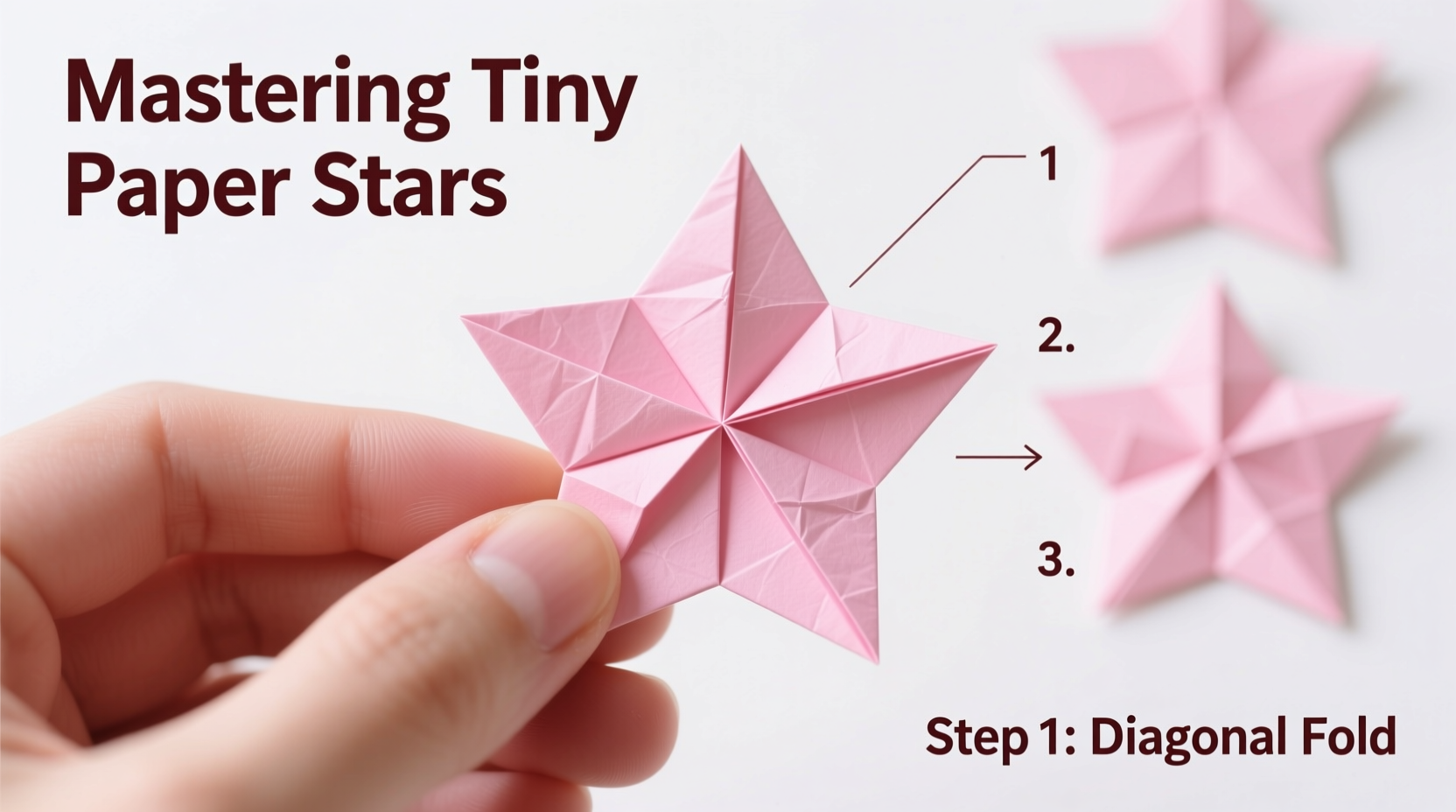
Lucky stars trace their roots to Japanese and Chinese paper-folding traditions, where small handmade objects were imbued with personal intention. The belief that 1,001 lucky stars bring good fortune has popularized the practice worldwide. Each star is said to represent a wish, making them meaningful additions to birthday cards, wedding favors, or recovery gifts. Beyond symbolism, the repetitive motion of rolling and shaping fosters mindfulness, offering a calming rhythm similar to knitting or beading.
“Handcrafts like paper star folding connect us to quiet moments of intention. There’s power in turning something simple—like a strip of paper—into a symbol of care.” — Lina Matsuda, Paper Artisan & Craft Educator
Materials and Tools You’ll Need
Success begins with the right supplies. While improvisation is possible, using purpose-selected materials ensures smoother results and reduces frustration, especially for beginners.
- Paper strips: Standard size is 1/4 inch (6 mm) wide and 6 inches (15 cm) long. Pre-cut rolls are available online, or you can cut your own from origami paper, magazine pages, or decorative scrapbook sheets.
- Glue stick or liquid glue: A fine-tip applicator helps control placement when sealing the final fold.
- Tweezers: Useful for tucking in stubborn ends or adjusting points without smudging.
- Ruler and cutting mat: For precision cutting if preparing your own strips.
- Pen or skewer: A toothpick, thin knitting needle, or empty pen tube aids in tightening the center during rolling.
Step-by-Step Guide to Folding a Perfect Lucky Star
Follow these steps carefully to create a uniformly shaped, tightly rolled star with crisp points.
- Start with a knot: Take one end of the paper strip and form a loose loop. Pass the end over the loop to create a basic knot, similar to tying a shoelace. Gently tighten while keeping the edges aligned to form a pentagon shape at the core.
- Flatten the knot: Press the knot flat on a hard surface. Adjust the sides so all five edges are even. This pentagon will become the central hub of your star.
- Begin rolling: Wrap the remaining strip around one side of the pentagon. Keep tension consistent—too loose and the star will sag; too tight and the paper may tear.
- Align each layer: As you roll, ensure each new wrap lies flush against the previous one. Rotate the piece gently in your fingers to maintain symmetry.
- Use a tool to tighten: Insert a pen or toothpick into the center hole formed by the roll. Gently push inward while continuing to wind, compressing the inner layers for a compact core.
- Finish with glue: When about 1–2 inches remain, apply a small dab of glue to the underside of the last section. Carefully press it onto the body of the star, avoiding excess adhesive that might seep out.
- Shape the points: Once dry, use tweezers or fingernails to gently pull each of the five corners outward. Apply even pressure to make all points equally full and defined.
| Stage | Common Mistake | Pro Solution |
|---|---|---|
| Knot Formation | Uneven pentagon edges | Adjust before flattening; use magnification if needed |
| Rolling | Loose or bulging middle | Maintain steady tension; use a skewer to compress |
| Sealing | Visible glue marks | Apply glue sparingly with a pinpoint applicator |
| Shaping | Asymmetrical points | Pull each tip incrementally, checking balance |
Advanced Tips for Consistent, High-Quality Results
Once you’ve mastered the basics, refine your technique with these professional insights.
- Create a template: Cut a cardboard stencil in the shape of a pentagon to check alignment during knotting.
- Batch-process materials: Pre-cut and organize hundreds of strips by color or design to streamline production.
- Control humidity: Work in a dry environment. Moisture softens paper, leading to misshapen rolls.
- Practice finger positioning: Hold the star between thumb and index finger, rotating smoothly with each wrap for even distribution.
- Store unfinished stars properly: Place partially completed pieces point-down in a tray to prevent deformation.
Mini Case Study: A Wedding Keepsake Project
Sophie, a DIY enthusiast from Portland, decided to fill a glass jar with 365 lucky stars—one for each day of her sister’s first year of marriage. She began with inconsistent shapes and frayed edges but improved dramatically within two weeks. By investing in pre-cut metallic paper, using a dedicated toothpick for tightening, and setting aside 20 focused minutes daily, she achieved a uniform collection. Her secret? “I laid out ten finished stars every night and compared them under light. If one looked off, I figured out why and adjusted the next batch.” The gift became a centerpiece at the wedding reception, admired not just for sentiment but for craftsmanship.
Essential Checklist for Every Lucky Star Crafter
Keep this checklist handy to ensure quality and efficiency in every session:
- ☐ Prepare enough paper strips in advance
- ☐ Test knot formation on scrap paper
- ☐ Maintain consistent rolling tension
- ☐ Use a tool to compress the center regularly
- ☐ Seal the end cleanly with minimal glue
- ☐ Shape all five points evenly before moving to the next star
- ☐ Store completed stars in a rigid container to protect points
Frequently Asked Questions
How long does it take to fold one lucky star?
For beginners, expect 2–3 minutes per star. With practice, experienced folders can complete one in under 60 seconds. Speed increases significantly after making 50–100 stars.
Can I use tape instead of glue?
While tape can work in a pinch, it adds bulk and isn’t invisible. A tiny dot of white craft glue or glue stick provides a cleaner, flatter seal and dries clear.
What’s the best way to display finished stars?
Popular options include filling transparent jars, threading them into garlands, embedding in resin jewelry, or arranging in shadow boxes. For maximum visual impact, group stars by color gradient or alternate patterns.
Conclusion: Turn Practice Into Perfection
Folding tiny paper stars is an accessible yet deeply rewarding craft that blends artistry with mindfulness. Whether you’re creating a single star as a heartfelt token or assembling thousands for a grand gesture, the quality of your work reflects the care behind it. With the right tools, consistent technique, and attention to detail, you can elevate a simple paper strip into a symbol of beauty and intention. Mastery doesn’t come overnight—but each star you fold brings you closer to precision, rhythm, and creative fulfillment.




 浙公网安备
33010002000092号
浙公网安备
33010002000092号 浙B2-20120091-4
Comments
No comments yet. Why don't you start the discussion?