
UNO is more than just a colorful card game—it’s a battle of strategy, timing, and psychological finesse. While the rules are easy to learn, mastering UNO requires deeper insight into gameplay mechanics, opponent behavior, and long-term tactics. Whether you're a casual player or aiming to dominate family game nights, this guide breaks down everything you need to know to play like a seasoned pro.
Understanding the Basics: Rules Made Simple
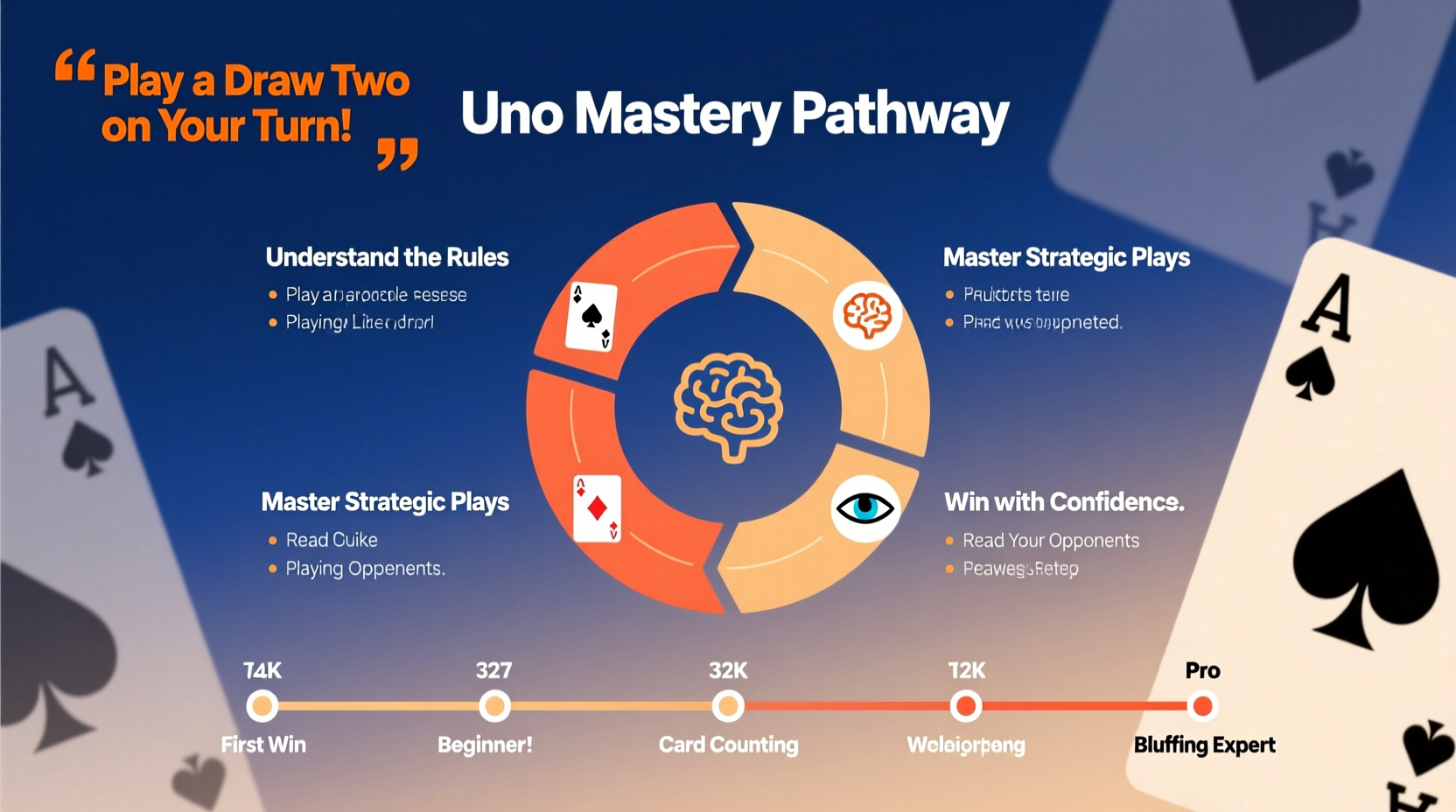
Before diving into advanced techniques, it's essential to fully grasp the standard rules of UNO. The game is played with a specialized 108-card deck consisting of four colors—red, blue, green, and yellow—each containing numbered cards (0–9), as well as special action cards.
| Card Type | Function |
|---|---|
| Number Cards (0–9) | Played to match color or number; 0 starts a new sequence in that color. |
| Skip | Next player loses a turn. |
| Reverse | Reverses play direction. |
| Draw Two (+2) | Next player draws two cards and skips their turn. |
| Wild | Player chooses the next color; can be played anytime. |
| Wild Draw Four (+4) | Player picks the color and forces next player to draw four cards and skip their turn. Can only be played if the player has no matching-color cards. |
The objective is simple: be the first to discard all your cards. When a player has one card left, they must say “UNO.” Failure to do so and getting caught by another player results in drawing two penalty cards.
Step-by-Step Guide to Playing Like a Pro
Becoming a skilled UNO player isn’t just about luck. It’s about making smart decisions at every turn. Follow this structured approach to elevate your game.
- Start conservatively. In early rounds, avoid using powerful action cards unless necessary. Save them for critical moments when they can disrupt multiple players.
- Manage your hand balance. Don’t hoard too many high-point cards. If you’re forced to draw at the end, those add up fast.
- Control the color flow. Use Wild and +4 cards strategically to switch to a color where you hold multiple cards, giving you continued control.
- Bluff the +4 wisely. Even if you technically have a matching color, playing a +4 and daring opponents to challenge you can pay off—if no one calls your bluff.
- Watch opponents’ reactions. A player hesitating before playing a Skip or Reverse might be low on options—capitalize on that vulnerability.
- Time your UNO call. Announce “UNO” just before your turn ends, not earlier, to minimize the window for others to catch you.
Advanced Strategies That Separate Amateurs from Pros
Most players stick to basic matching and reactive play. Professionals think several turns ahead. Here’s how to gain an edge:
- Hold back Draw Twos early. If you play a +2 early, someone may counter with their own, escalating the penalty. Wait until later when fewer players can chain responses.
- Use Reverses to manipulate turn order. In a four-player game, reversing can send the turn back to you—or away from a threatening opponent.
- Keep a mental tally of played colors. If red has been dominant, opponents may expect it. Switching to green unexpectedly can throw them off.
- Delay declaring UNO until absolutely necessary. Saying it too soon invites attention—and sabotage.
“Top UNO players don’t win by holding the best cards—they win by controlling the rhythm of the game.” — Daniel Park, Competitive Card Game Strategist
Tips Box: Quick Wins You Can Use Today
Tip: If you have multiple colors in hand, gradually reduce down to one or two to maximize flexibility.
Tip: Never play a +4 unless you’re prepared to defend it. Bluffing works—but only if you act confident.
Real Example: How a Pro Turned the Game Around
Consider a real scenario from a regional UNO tournament. Player A was down to three cards while Players B and C each had five or more. On her turn, she played a Wild card and switched to yellow—even though she only had one yellow card left. She followed it with a yellow Skip, eliminating Player B’s turn. Player C responded with a Draw Two of a different color, but Player A had a matching +2 and played it immediately, forcing Player C to draw four total cards after chaining penalties.
By baiting Player C into starting a +2 chain, Player A turned a neutral position into a commanding lead. Within two more turns, she won the round. The key? Patience, calculated risk, and understanding how action cards interact under pressure.
Checklist: Are You Ready to Play Like a Pro?
- ✅ Know all card functions by heart
- ✅ Practice counting remaining cards in opponents’ hands
- ✅ Master the art of the +4 bluff
- ✅ Avoid emotional plays—stay strategic even when behind
- ✅ Use reverses to manipulate turn advantage
- ✅ Keep your final move unpredictable
- ✅ Always verify whether you’re allowed to play a +4 legally
Common Mistakes Even Experienced Players Make
Even regular players fall into traps that cost them the game. Watch out for these pitfalls:
| Mistake | Why It Hurts | How to Fix It |
|---|---|---|
| Playing +2 too early | Invites counter-play and escalation | Save for late-game when chaining is less likely |
| Announcing UNO immediately | Gives others time to watch and catch you | Wait until the moment before your next turn |
| Overusing Wild cards | Loses element of surprise | Reserve for pivotal moments or when blocked |
| Ignoring turn order | Misses opportunities to skip threats | Always assess who plays next before acting |
Frequently Asked Questions
Can I play a Wild Draw Four anytime?
No. According to official Mattel rules, you can only play a Wild Draw Four if you have no cards in your hand that match the current color. If challenged and found guilty, you must draw four cards as penalty. If the challenger is wrong, they draw six.
What happens if the last card played is an action card?
The effect still applies even if it ends the game. For example, if the winning card is a Skip, the next player doesn’t get a chance to go out. If it’s a +2 or +4, the next player must draw the cards, though the game has already ended.
Is it allowed to lie about having a matching color when playing a +4?
Yes, bluffing is a legal and widely accepted part of competitive UNO. However, if another player challenges you and you do have a matching color, you must draw four cards. Use this tactic sparingly and with confidence.
Conclusion: Your Move to Mastery Starts Now
Mastering UNO isn’t about memorizing every possible card combination—it’s about mindset, discipline, and adaptability. The best players blend rule knowledge with social awareness, turning a simple card game into a dynamic contest of wits. Every hand offers a new opportunity to refine your strategy, read your opponents, and make bold, calculated moves.




 浙公网安备
33010002000092号
浙公网安备
33010002000092号 浙B2-20120091-4
Comments
No comments yet. Why don't you start the discussion?