
For millions of people, caffeine is a non-negotiable part of the morning ritual. Whether it’s a bold espresso or a smooth bowl of matcha, the goal is the same: mental clarity, alertness, and sustained focus. But not all caffeine experiences are equal. Many report that while coffee delivers a quick burst of energy, it often comes with an unwanted side effect—jitters. Matcha, on the other hand, is frequently praised for providing calm, focused energy without the crash. So, what’s really happening beneath the surface? Is matcha truly gentler on the nervous system than coffee? And if so, why?
This article dives deep into the science behind both beverages, comparing their caffeine content, absorption rates, chemical companions, and overall impact on the body. By the end, you’ll understand not just which drink causes fewer jitters, but how to make smarter choices based on your lifestyle, sensitivity, and energy needs.
The Science of Caffeine and Jitters
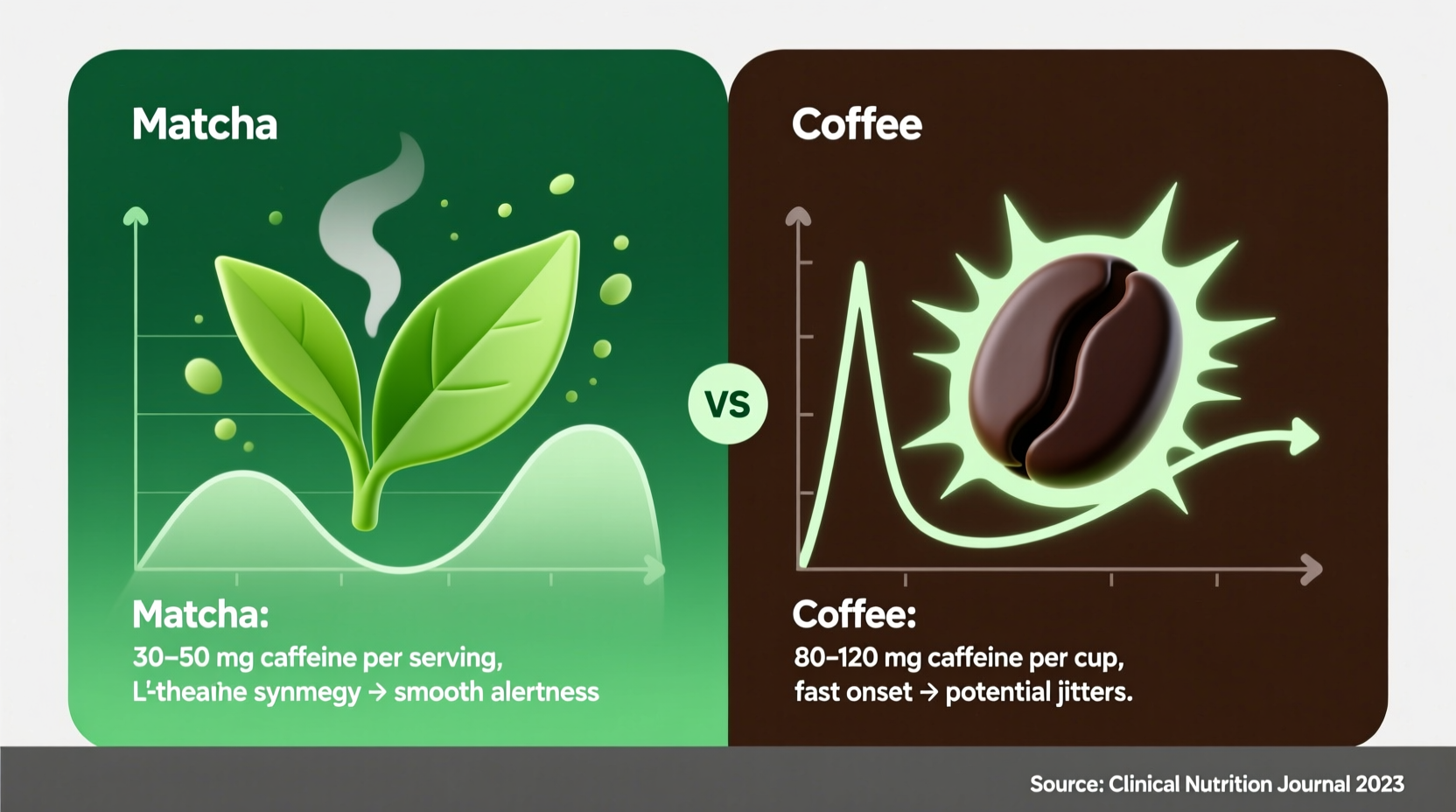
Jitters—those shaky hands, racing heart, and anxious thoughts—are symptoms of overstimulation caused by caffeine. While caffeine blocks adenosine receptors in the brain (keeping you awake), it also triggers the release of adrenaline, increasing heart rate and muscle tension. The intensity of this response depends on several factors: dosage, speed of absorption, individual metabolism, and the presence of other compounds in the beverage.
Coffee delivers caffeine rapidly because it's extracted quickly during brewing and absorbed fast in the small intestine. This rapid spike can overwhelm the central nervous system, especially in sensitive individuals or when consumed on an empty stomach. Matcha, however, contains compounds that modulate how caffeine affects the body, leading to a slower, more balanced release.
The key difference lies not only in quantity but in quality—the context in which caffeine is delivered.
Caffeine Content: How Much Are You Really Consuming?
One common misconception is that matcha has less caffeine than coffee. In reality, gram-for-gram, matcha contains more caffeine than coffee grounds. However, serving sizes differ significantly.
| Beverage | Average Caffeine (per standard serving) | Serving Size |
|---|---|---|
| Brewed Coffee | 95 mg | 8 oz (240 ml) |
| Espresso (single shot) | 63 mg | 1 oz (30 ml) |
| Matcha (ceremonial grade, prepared) | 70 mg | 8 oz (240 ml) |
| Instant Matcha (lower grade) | 30–50 mg | 8 oz |
While a typical cup of brewed coffee contains slightly more caffeine than a standard serving of ceremonial matcha, the experience diverges dramatically due to additional bioactive components in matcha—particularly L-theanine.
L-Theanine: The Calming Counterbalance
L-theanine is an amino acid almost exclusively found in tea plants, particularly in shade-grown varieties like those used for matcha. It crosses the blood-brain barrier and promotes relaxation without drowsiness by increasing alpha brain wave activity—associated with a state of \"wakeful calm.\"
When combined with caffeine, L-theanine doesn’t cancel out stimulation; instead, it smooths the edges. Research shows that the combination enhances attention, reduces mental fatigue, and decreases feelings of tension compared to caffeine alone.
“L-theanine and caffeine together offer a synergistic effect: improved cognitive performance with reduced anxiety. This pairing is rare in nature—and matcha delivers it naturally.” — Dr. Sarah Lee, Cognitive Neuroscientist at McGill University
In contrast, black coffee contains negligible amounts of L-theanine. Some specialty coffees may include added adaptogens or mushroom extracts, but traditionally, coffee lacks any compound that counteracts caffeine’s excitatory effects. That absence contributes to the jittery sensation many experience after a second cup.
Absorption Speed and Energy Duration
The way caffeine enters your system plays a major role in whether you feel jittery. Fast absorption leads to sharp peaks and steep drops—commonly known as the “coffee crash.” Slower, sustained release results in steady energy over time.
Matcha’s caffeine is bound within the plant matrix. Because you consume the entire ground leaf powder, digestion begins in the mouth and continues gradually through the gut. This slows caffeine release into the bloodstream, resulting in a rise over 30–60 minutes rather than an immediate spike.
Coffee, especially drip or espresso, delivers nearly all its caffeine within 15–20 minutes of consumption. Blood concentration peaks quickly, creating a strong stimulant effect that can trigger nervous system overactivity.
A 2019 study published in *Nutrients* found that participants who consumed green tea extract (rich in both caffeine and L-theanine) reported significantly lower subjective stress responses and smoother energy curves than those given pure caffeine.
Real-World Example: Sarah’s Morning Routine
Sarah, a 34-year-old project manager, used to rely on two strong coffees by 10 a.m. to stay focused. But she often felt anxious by mid-morning, experienced hand tremors during client calls, and crashed hard by 2 p.m., requiring sugary snacks to push through. After switching to one serving of ceremonial matcha each morning, she noticed a shift within days. Her focus remained sharp, but the anxiety vanished. She no longer needed a second caffeine boost and felt more stable throughout the afternoon.
“It’s not that I don’t feel energized anymore,” she said. “I just don’t feel like my heart is trying to escape my chest.”
Her experience reflects a broader trend among professionals seeking clean, sustainable energy without the emotional rollercoaster.
Additional Compounds That Influence Effects
Beyond caffeine and L-theanine, both drinks contain other phytochemicals that influence how they affect the body.
- Polyphenols in Matcha: Rich in catechins like EGCG, matcha supports antioxidant activity and may reduce oxidative stress linked to inflammation and anxiety.
- Chlorogenic Acids in Coffee: These antioxidants have health benefits but can slow gastric emptying and increase acidity, potentially contributing to jitteriness on an empty stomach.
- Tannins: Present in both drinks, tannins can bind to caffeine and slow its absorption—but coffee’s lower pH may enhance caffeine solubility, counteracting this effect.
Moreover, additives matter. Most people drink coffee with sugar, creamers, or syrups, which cause insulin spikes that amplify energy crashes. Matcha is typically consumed plain or with minimal additions, preserving metabolic stability.
Who Should Choose Which?
There’s no universal answer—only what works best for your physiology and goals.
Choose Matcha If You:
- Experience anxiety or heart palpitations from coffee
- Need sustained focus for long work sessions or creative tasks
- Prefer a calm-alert state over hyperstimulation
- Want antioxidant-rich beverages as part of a wellness routine
Choose Coffee If You:
- Need a rapid wake-up boost (e.g., early shifts or post-lunch slumps)
- Enjoy the ritual and flavor profile of roasted beans
- Respond well to higher doses of caffeine without side effects
- Use it strategically and sparingly (not multiple cups daily)
Some people benefit from rotating both: coffee occasionally for acute alertness, matcha regularly for maintenance energy.
Step-by-Step Guide to Transitioning from Coffee to Less-Jittery Caffeine
If you’re considering reducing coffee-induced jitters, here’s a practical plan:
- Track Your Current Intake: Note how much coffee you drink, when, and how you feel afterward (use a journal or app).
- Introduce Matcha Gradually: Replace one coffee per day with a high-quality matcha. Start with mornings to observe effects.
- Prepare It Correctly: Use a bamboo whisk or electric frother to mix 1/2 to 1 teaspoon of ceremonial-grade powder with 80°C (176°F) water. Don’t boil.
- Observe Response: Pay attention to mood, focus, digestion, and physical sensations over the next 3–4 hours.
- Adjust Dose or Timing: If energy lags, try increasing to a full scoop. If too mild, keep coffee for emergencies only.
- Evaluate After Two Weeks: Decide whether to fully switch, blend both, or return to coffee with modifications (like lighter roasts or later cutoff times).
Frequently Asked Questions
Does decaf coffee eliminate jitters?
Decaf still contains 2–5 mg of caffeine per cup, which is unlikely to cause jitters in most people. However, some sensitive individuals report reactions possibly due to other compounds or psychological expectation. Decaf doesn’t provide the L-theanine balance found in tea, so it won’t replicate matcha’s calming effect—even though it avoids caffeine spikes.
Can I get jitter-free energy from coffee?
Yes—with adjustments. Try cold brew (lower acidity, smoother extraction), limit to one cup, avoid drinking on an empty stomach, and pair with food containing healthy fats or protein. Also, consider switching to light or medium roast, which retains more chlorogenic acid and may slow caffeine absorption slightly.
Is matcha safe for people with anxiety?
Generally, yes—especially compared to coffee. The combination of L-theanine and moderate caffeine makes matcha a preferred choice for those managing mild anxiety. However, anyone with diagnosed anxiety disorders should consult a healthcare provider before making dietary changes involving stimulants.
Final Checklist: Choosing Your Optimal Caffeine Source
- ☐ Assess your current caffeine tolerance and side effects
- ☐ Determine your primary goal: quick energy or sustained focus?
- ☐ Try a high-quality ceremonial matcha for 5 consecutive mornings
- ☐ Monitor heart rate, mood, and energy stability
- ☐ Adjust preparation method and timing based on results
- ☐ Consider blending sources strategically (e.g., matcha most days, coffee once weekly)
Conclusion: Make Caffeine Work for You, Not Against You
The debate isn’t about which drink is inherently “better”—it’s about alignment with your body and lifestyle. Coffee offers unmatched immediacy and cultural richness, but its rapid caffeine delivery increases the risk of jitters, especially with frequent use. Matcha provides a more balanced, neuroprotective form of stimulation thanks to L-theanine and gradual absorption, making it ideal for those seeking calm focus without crash or anxiety.
Ultimately, awareness is power. Understanding how caffeine interacts with other compounds—and how your body responds—empowers you to choose intentionally. Whether you pour a dark roast or whisk a vibrant green bowl, the goal remains the same: clarity, productivity, and well-being without compromise.




 浙公网安备
33010002000092号
浙公网安备
33010002000092号 浙B2-20120091-4
Comments
No comments yet. Why don't you start the discussion?