
Choosing the right phone case isn’t just about style or drop protection—surface finish plays a crucial role in how your device looks and feels over time. Among the most debated aspects is whether matte or glossy finishes are better at resisting fingerprints. While both have their strengths, one clearly outperforms the other when it comes to smudge resistance and long-term cleanliness. Understanding the science behind surface textures, material composition, and everyday use patterns reveals why matte finishes dominate in fingerprint resistance.
The Science Behind Fingerprints and Surface Interaction
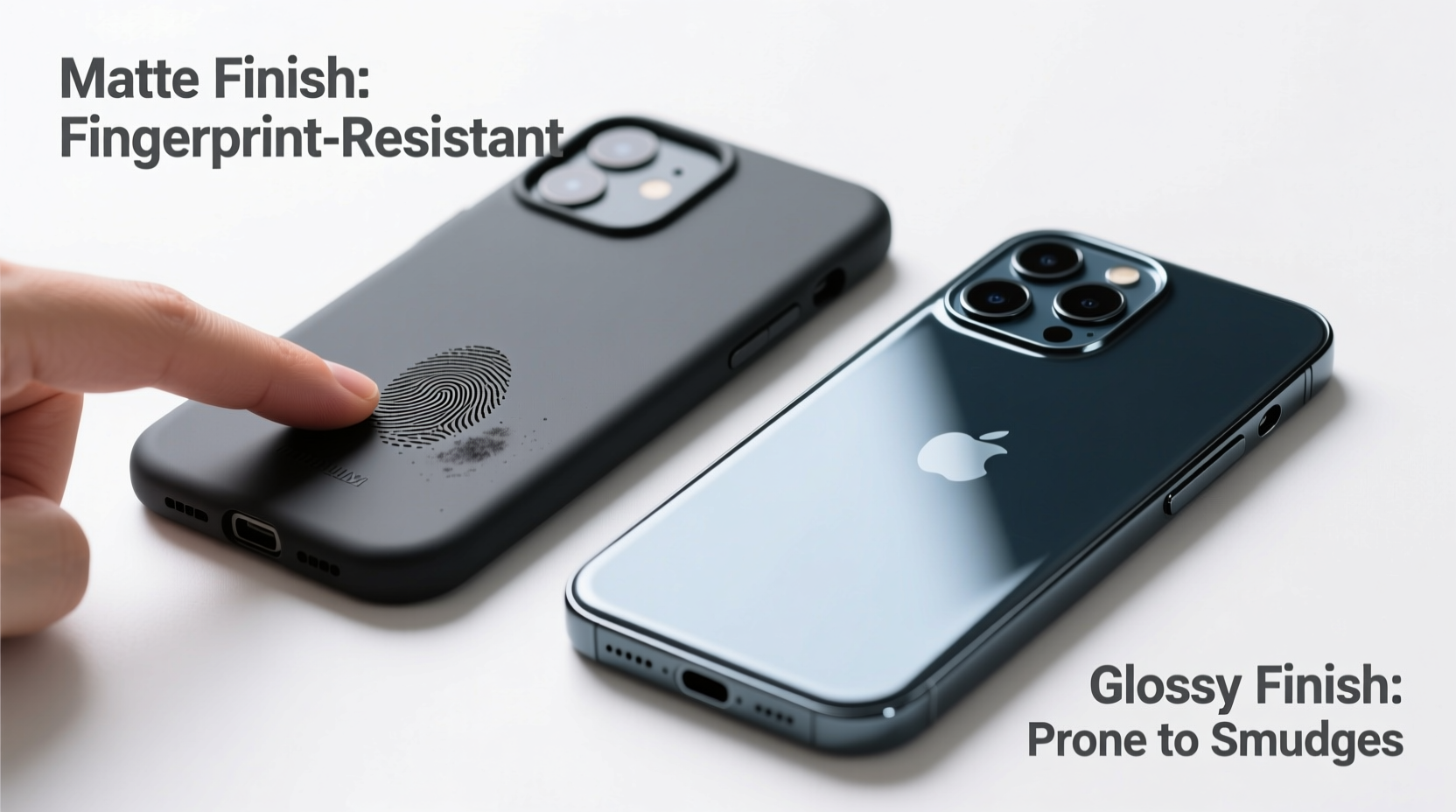
Fingerprints form when natural oils, sweat, and skin cells transfer from fingertips onto surfaces. These residues create visible smudges, especially on smooth, reflective materials. The visibility and persistence of these marks depend heavily on the texture and reflectivity of the surface they land on.
Glossy surfaces are highly reflective and smooth, making even minor smudges stand out under light. When oil spreads across a glossy finish, it creates a thin film that refracts light unevenly, resulting in cloudy streaks. In contrast, matte surfaces diffuse light due to microscopic texturing, scattering reflections and minimizing the appearance of residue. This structural difference is key to understanding why matte finishes handle fingerprints more effectively.
“Surface topography determines how contaminants interact with a material. Matte finishes disrupt light reflection and reduce visual contrast of oils.” — Dr. Lena Torres, Materials Scientist at TechSurface Labs
Comparing Matte and Glossy Finishes: Performance Breakdown
Let’s examine the core differences between matte and glossy phone case finishes across several practical categories:
| Feature | Matte Finish | Glossy Finish |
|---|---|---|
| Fingerprint Visibility | Low – oils blend into textured surface | High – smudges appear immediately and clearly |
| Smudge Resistance | Excellent – resists oil buildup | Poor – attracts and holds oils |
| Cleanability | Moderate – requires gentle wipe, less frequent cleaning | High – easy to clean but needs constant wiping |
| Tactile Feel | Silky, non-slip grip | Smooth, can feel slippery |
| Durability Over Time | Resists yellowing and wear longer | Scratches easily; may develop micro-hazing |
| Aesthetic Longevity | Maintains consistent look | Loses shine and clarity with repeated handling |
The data shows that while glossy cases offer a sleek, premium appearance initially, they demand higher maintenance. Matte finishes, though sometimes perceived as less flashy, deliver superior performance in real-world usage where phones are handled constantly throughout the day.
Real-World Usage: A Day in the Life of Two Phone Cases
Consider two users: Alex opts for a high-gloss polycarbonate case, while Jordan chooses a soft-touch matte TPU model. Both own the same smartphone and use it similarly—checking messages, browsing social media, and taking calls.
By mid-morning, Alex notices faint smudges forming along the edges where fingers rest. After lunch, the back panel is visibly streaked, requiring a quick wipe with a microfiber cloth. By evening, despite multiple cleanings, the case looks duller than when new due to accumulated micro-residue.
Jordan, on the other hand, handles the phone just as much but sees no noticeable smudging. The matte surface absorbs light rather than reflecting it, so any oils blend into the texture. Even after a full day of use, the case appears clean without intervention. Only after several days does a light cleaning become necessary.
This scenario illustrates that while both cases protect against drops, only the matte finish maintains its aesthetic integrity with minimal upkeep. For users who value a consistently clean look, this difference is significant.
Why Glossy Still Has Its Place
Despite its vulnerability to fingerprints, glossy finishes remain popular for specific reasons. Many consumers associate gloss with luxury and modern design. High-end accessories, automotive interiors, and electronics often use glossy elements to convey polish and sophistication.
Glossy cases also enhance color vibrancy. Transparent glossy cases allow intricate phone designs or custom decals underneath to shine through with maximum clarity. Additionally, some users prefer the slick, minimalist feel of a glossy back, especially when placing the phone on flat surfaces.
However, these benefits come at a cost. A glossy case may look pristine in controlled environments like retail displays or photoshoots, but daily interaction quickly degrades its appearance. Unless the user is willing to carry a cleaning cloth and wipe the phone hourly, the initial appeal fades fast.
- Glossy suits occasional-use devices or display purposes
- Ideal for users who prioritize aesthetics over low maintenance
- Best paired with screen protectors and regular cleaning routines
How to Maximize Fingerprint Resistance Regardless of Finish
Even if you already own a glossy case, there are ways to reduce fingerprint visibility and extend its clean appearance. Similarly, matte cases can degrade over time if not cared for properly. Follow this checklist to keep any phone case looking fresh:
Anti-Fingerprint Maintenance Checklist
- Wipe daily with a dry microfiber cloth – Removes oils before they bond to the surface.
- Avoid touching the back panel unnecessarily – Hold the phone by the sides or use a grip accessory.
- Apply an anti-smudge coating – Some third-party nano-coatings repel oils similarly to screen protectors.
- Clean weekly with mild soap and water – Use a soft cloth; never abrasive materials.
- Replace silicone or rubberized cases every 6–12 months – These materials absorb oils and discolor over time.
- Store phone screen-down when not in use – Reduces contact with pockets, bags, and surfaces.
For glossy cases, consistency is critical. One missed cleaning session can lead to layered residue that’s harder to remove later. Matte cases benefit from the same routine but are far more forgiving between cleanings.
Material Matters: Not All Matte Is Created Equal
It’s important to note that “matte” is not a uniform category. Different manufacturing techniques produce varying levels of texture and durability:
- Soft-touch matte: Feels velvety and offers excellent grip and smudge resistance. However, it can wear down over time, especially at stress points like corners.
- Textured matte (ribbed or patterned): Uses physical grooves or dimples to break up reflections and hide smudges. Often found on rugged cases.
- Mattified plastic or polycarbonate: Achieved through sandblasting or chemical treatment. More durable than soft-touch but slightly less effective at hiding oils.
In contrast, glossy finishes are typically achieved through polishing or applying a clear lacquer. While shiny, these coatings can scratch easily and may yellow under UV exposure. Some budget glossy cases use thin layers that wear off within weeks, revealing a dull underlayer.
When shopping, check product descriptions for terms like “anti-fingerprint coating,” “oleophobic layer,” or “smudge-resistant finish.” These indicate intentional engineering to combat oils, regardless of texture.
Frequently Asked Questions
Do matte phone cases feel sticky over time?
Some lower-quality soft-touch matte cases can develop a slightly tacky or greasy feel after months of use, especially if exposed to sunscreen, hand sanitizer, or heat. High-quality matte finishes with protective topcoats resist this degradation. Regular cleaning helps maintain the original texture.
Can I make my glossy case less prone to fingerprints?
You can reduce smudging by applying a liquid glass coating designed for electronics. These nano-sealants create a hydrophobic and oleophobic barrier that repels water and oils. However, they require reapplication every few months and won’t eliminate fingerprints entirely.
Are transparent cases always glossy?
Most transparent cases are glossy due to the nature of clear polycarbonate or TPU, but some brands now offer “frosted” or “semi-matte” transparent options. These diffuse light slightly, reducing glare and improving fingerprint resistance while still showing off the phone’s design.
Final Verdict: Which Finish Protects Against Fingerprints Better?
The evidence is clear: matte phone cases outperform glossy ones in resisting fingerprints. Their light-diffusing texture hides oils, reduces visual contrast, and maintains a cleaner appearance with less effort. While glossy cases offer a sleek, eye-catching look, they demand constant maintenance to avoid a perpetually smudged appearance.
For users who want a phone that looks well-kept throughout the day without constant wiping, matte is the superior choice. It aligns with practical needs—durability, ease of care, and consistent aesthetics—without sacrificing style. Modern matte finishes come in a wide range of colors and textures, from minimalist black to carbon fiber patterns, making them suitable for professional, casual, and rugged use alike.
If you prioritize convenience and long-term cleanliness, choosing a matte case isn’t just a preference—it’s a smart maintenance decision. The reduction in daily friction between you and your device’s appearance adds up over time, preserving both functionality and pride in ownership.




 浙公网安备
33010002000092号
浙公网安备
33010002000092号 浙B2-20120091-4
Comments
No comments yet. Why don't you start the discussion?