
Chili seasoning packets are a staple in modern kitchens, offering convenience without sacrificing depth of flavor—when used correctly. While many dismiss them as mere shortcuts, these compact blends can deliver restaurant-quality results if handled with intention. The key lies not just in tossing them into a pot but in understanding their composition, maximizing their shelf life, and integrating them thoughtfully into meals. With proper storage and strategic application, chili seasoning packets become more than an afterthought—they transform into reliable tools for building complex, layered flavors across a range of cuisines.
Definition & Overview
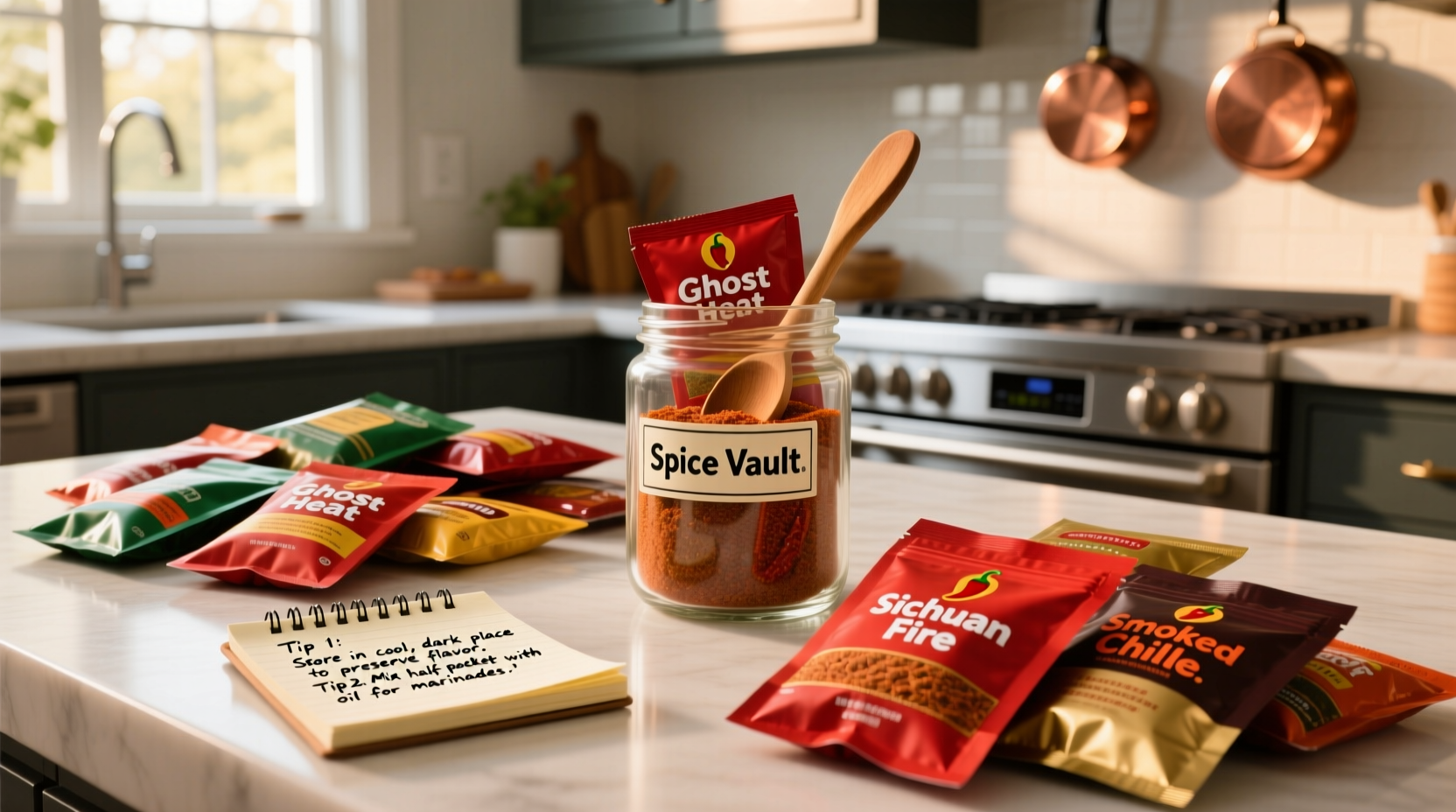
Chili seasoning packets contain pre-mixed combinations of dried herbs, spices, salt, and sometimes thickeners or preservatives designed specifically for making chili. These blends typically center around chili powder, cumin, garlic, onion, paprika, oregano, and black pepper. Originating in mid-20th century America during the rise of packaged meal kits, they were developed to standardize flavor for home cooks unfamiliar with spice balancing. Today, they remain popular due to their ease of use, consistency, and ability to produce hearty, savory results with minimal effort.
While often associated with beef chili, these seasonings are versatile enough to enhance stews, tacos, soups, casseroles, and even roasted vegetables. They function as foundational flavor builders, reducing the need for measuring individual spices while still delivering robust taste profiles. However, not all packets are created equal—formulations vary significantly between brands, affecting heat level, sodium content, and overall complexity.
Key Characteristics
| Characteristic | Description |
|---|---|
| Flavor Profile | Earthy, smoky, moderately spicy, with notes of garlic, onion, and warm spices like cumin and oregano. |
| Aroma | Dry, toasted, slightly sweet and pungent when opened; intensifies when heated in oil or liquid. |
| Color/Form | Reddish-brown to deep maroon fine powder, usually free-flowing unless exposed to moisture. |
| Heat Level | Mild to medium (2–5 on a 10-point scale), depending on brand and added chili types (e.g., cayenne, ancho). |
| Culinary Function | Base seasoning for slow-cooked dishes, thickening agents (some include flour or cornstarch), umami enhancement. |
| Shelf Life (Unopened) | 2–3 years when stored properly in a cool, dark place. |
| Shelf Life (Opened) | 6–12 months before noticeable flavor degradation occurs. |
Practical Usage: How to Use Chili Seasoning Packets Effectively
The true potential of chili seasoning packets is unlocked through technique, not just addition. Simply dumping the contents into a pot of simmering meat misses opportunities for flavor layering. To maximize impact, consider the following methods:
- Bloom the Spices: Heat 1–2 tablespoons of oil in a heavy-bottomed pot over medium heat. Add the seasoning packet and stir constantly for 45–60 seconds until fragrant. This process activates volatile oils in the spices, enhancing aroma and depth.
- Layer with Aromatics: After blooming, add minced onions, garlic, or bell peppers and cook until softened. The fat-soluble compounds in the seasoning bond with the aromatics, creating a cohesive flavor base.
- Incorporate Early in Cooking: Introduce the seasoned mixture before adding liquids. This allows time for harsh raw spice notes to mellow and integrate fully into the dish.
- Adjust Salt Separately: Most packets contain high levels of sodium. Taste before adding additional salt. For better control, choose low-sodium versions or make your own blend using loose spices.
- Use Beyond Chili: Apply the same blooming method to taco fillings, lentil stews, bean dips, or tomato-based pasta sauces for instant warmth and complexity.
Pro Tip: For richer texture and deeper flavor, combine one packet of chili seasoning with 1 tablespoon of tomato paste during the bloom phase. Cook together for 1 minute before adding liquids—this builds a Maillard-reacted foundation that enhances body and umami.
Professional Techniques Used in Restaurants
Chefs rarely rely solely on pre-made packets but may use them as a starting point. In commercial kitchens, it’s common to augment a base packet with fresh ingredients and premium additions:
- Add smoked paprika or chipotle powder for extra smoke intensity.
- Stir in a small amount of cocoa powder or instant espresso for bitter depth (especially effective in Texas-style chili).
- Finish with a splash of cider vinegar or lime juice to brighten flavors post-cooking.
- Use rehydrated dried chiles (such as guajillo or ancho) blended into the mix for authentic regional character.
This hybrid approach leverages the convenience of the packet while elevating the final product beyond mass-market expectations.
Variants & Types of Chili Seasoning Packets
Not all chili seasoning blends serve the same purpose. Understanding the differences ensures you select the right type for your recipe. Below are the most common variants available in supermarkets and specialty stores:
1. Standard Beef Chili Seasoning
The most widely available form, designed for ground beef, tomatoes, beans, and broth. Contains moderate heat and includes thickeners like wheat flour or cornstarch. Ideal for classic American-style chili.
2. Vegetarian/Vegan Chili Blend
Formulated without animal-derived additives (some traditional blends contain lactose or dairy-based anti-caking agents). Often lower in sodium and may include additional legume-friendly herbs like cilantro or epazote.
3. Hot & Spicy Version
Amplified heat from increased cayenne, crushed red pepper, or habanero extract. Best suited for those who enjoy fiery dishes. Use cautiously—start with half a packet and adjust to taste.
4. Organic or Clean-Label Blends
Free from artificial preservatives, MSG, and refined sugars. Typically found in health food stores or premium grocery lines. May have shorter shelf life due to lack of stabilizers.
5. Regional Style Packets (e.g., Texas, New Mexico, Cincinnati)
These reflect local traditions:
- Texas-style: No beans, heavier on cumin and dried chiles, often includes beef suet or tallow notes.
- New Mexico: Features ground dried red chiles native to the region, with earthy, fruity heat.
- Cincinnati: Incorporates cinnamon, mustard, and Worcestershire-like tang, reflecting German-inspired influences.
6. International Adaptations
Some brands offer globally inspired takes:
- Korean-Chili Fusion: Combines gochugaru with traditional chili spices for a sweet-heat profile.
- Caribbean Jerk-Chili Hybrid: Includes allspice, thyme, and scotch bonnet pepper for tropical heat.
| Type | Best For | Heat Level | Special Notes |
|---|---|---|---|
| Standard Beef | Classic chili, sloppy joes, nacho meat | Medium | May contain gluten; check label |
| Vegetarian/Vegan | Bean stews, lentil chili, plant-based bowls | Mild–Medium | Suitable for dietary restrictions |
| Hot & Spicy | Spicy chili challenges, wings sauce base | High | Wear gloves when handling |
| Organic/Clean Label | Health-conscious cooking, clean eating plans | Varies | Check expiration dates closely |
| Regional Styles | Authentic regional recipes | Varies by region | Research local traditions for accuracy |
| International Fusions | Fusion cuisine, creative weeknight meals | Varies | Pair with complementary proteins (tofu, chicken) |
Comparison with Similar Ingredients
Chili seasoning packets are frequently confused with other spice blends. Knowing the distinctions prevents recipe mishaps and improves flavor precision.
| Ingredient | How It Differs from Chili Seasoning | When to Use Instead |
|---|---|---|
| Chili Powder (Pure) | Single-ingredient ground dried chiles; no added spices or salt. | When you want full control over blend composition. |
| Taco Seasoning | Lighter on cumin, higher in garlic/onion, less smoky; often contains more salt. | Tacos, fajitas, burrito bowls. |
| Cajun/Creole Seasoning | No tomato or cumin base; emphasizes bell pepper, celery, parsley, and black pepper. | Gumbos, jambalaya, grilled seafood. |
| Adobo Seasoning | Latin-Caribbean blend with vinegar, garlic, oregano; often includes citrus notes. | Marinades, roasted meats, Puerto Rican dishes. |
| Paprika (Smoked or Sweet) | Single-note pepper flavor; lacks complexity of full chili blend. | Adding color and mild sweetness to soups or rubs. |
“A good chili seasoning packet isn’t a crutch—it’s a blueprint. Smart cooks use it as a foundation, then build upon it with fresh ingredients and personal touches.” — Chef Elena Rodriguez, Culinary Instructor at Austin School of Food Arts
Practical Tips & FAQs
How long do chili seasoning packets last?
Unopened packets retain peak quality for up to three years if stored in a cool, dry place. Once opened, use within 6–12 months. Exposure to humidity, light, or temperature fluctuations accelerates flavor loss. Discard if clumping occurs or if the aroma is flat or musty.
Can I freeze chili seasoning packets?
Freezing is unnecessary for unopened packets but can extend the life of opened ones in humid climates. Place in an airtight container or vacuum-sealed bag to prevent moisture absorption. Allow to return to room temperature before opening to avoid condensation.
Are chili seasoning packets gluten-free?
Not always. Some brands use wheat flour as a thickener or anti-caking agent. Always read labels carefully. Look for certified gluten-free options if needed.
Can I substitute taco seasoning for chili seasoning?
You can, but expect a lighter, less complex result. Taco seasoning tends to be saltier and less smoky. To convert, add ½ teaspoon each of cumin and smoked paprika per packet to mimic chili seasoning depth.
How can I make my own chili seasoning blend?
Create a customizable version using:
- 2 tbsp chili powder
- 1 tbsp ground cumin
- 1 tsp garlic powder
- 1 tsp onion powder
- 1 tsp dried oregano
- ½ tsp smoked paprika
- ½ tsp black pepper
- ¼–½ tsp cayenne (optional, for heat)
- 1 tsp sea salt (adjust to taste)
What dishes work best with chili seasoning packets?
Beyond traditional chili, try them in:
- Chili Mac: Stir into cooked elbow pasta with cheese and tomato sauce.
- Stuffed Peppers: Mix with ground meat, rice, and tomatoes before baking.
- Breakfast Skillet: Season potatoes, sausage, eggs, and peppers for a spicy morning dish.
- Bean Dip: Blend with refried beans and sour cream for quick party appetizers.
- Grilled Cheese Upgrade: Sprinkle a pinch inside a cheddar-jalapeño sandwich before grilling.
Do chili seasoning packets lose potency over time?
Yes. Whole spices retain flavor longer than ground, and pre-mixed packets degrade faster due to varied particle sizes and exposure. Over time, essential oils evaporate, leaving behind dusty, one-dimensional taste. Store in opaque, airtight containers and avoid placing near stove vents or windows.
Storage Checklist:
- Keep in original foil-lined pouch until opened.
- Transfer opened packets to glass jars with tight seals.
- Store in a dark cupboard—not above the stove.
- Keep away from coffee, onions, or strong-smelling foods to prevent odor transfer.
- Label containers with purchase/opened date.
Summary & Key Takeaways
Chili seasoning packets are far more than pantry filler—they are efficient conduits of flavor when used with knowledge and care. Their value increases dramatically when treated not as end products but as components in a broader culinary strategy. By blooming the spices in fat, pairing them with fresh aromatics, and adjusting for salt and heat, home cooks can achieve results that rival slow-crafted spice blends.
Understanding the different types—from standard beef to vegan, hot, and regionally inspired—allows for greater versatility in meal planning. Recognizing how these packets differ from similar seasonings like taco or Cajun blends prevents misapplication and supports more accurate flavor development.
Finally, proper storage is non-negotiable. Heat, light, and moisture are the enemies of dried spices. Protect your investment by keeping packets sealed, dated, and shielded from environmental stressors. When in doubt, trust your senses: if the aroma is faint or the color faded, it's time to replace the blend.
Next time you reach for a chili seasoning packet, don’t just add it—activate it. Your palate will notice the difference.




 浙公网安备
33010002000092号
浙公网安备
33010002000092号 浙B2-20120091-4
Comments
No comments yet. Why don't you start the discussion?